2 Great Italian Red Wines You Might Not Be Familiar With
We know that the Europeans put the wine region on the front of the bottle, not the grape. Chianti is a region in Tuscany, not a grape. (I confess that I was several years out of college before I figured that out!) Then what the heck is this Amarone wine from Italy, and why are people willing to pay $60-70 for it? And then I see adds for something described as “Baby Amarone” and on the label it says Ripasso. There is no geographic region of Italy called Amarone or Ripasso and there are no grapes by that name either. What are these two wines?
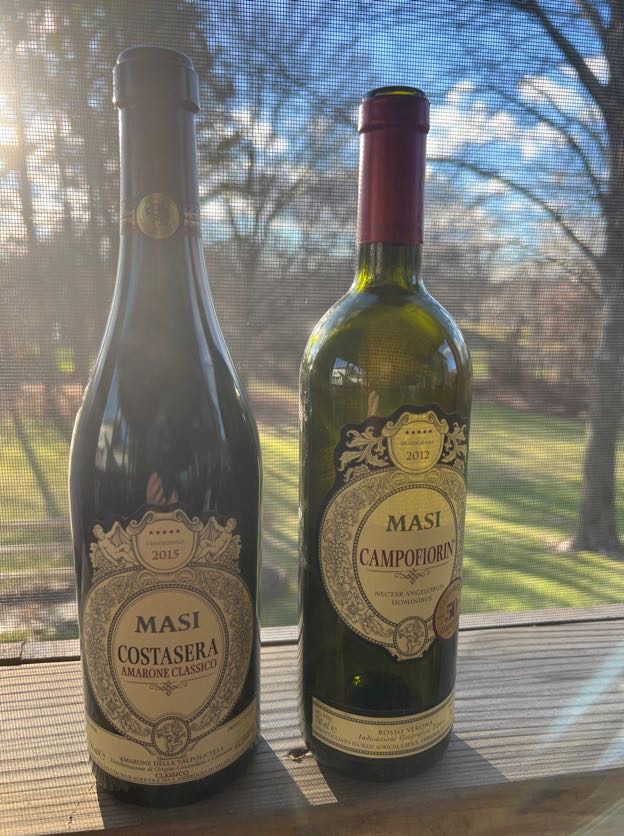
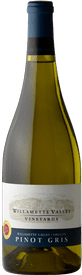
If you like very full boded red wine with a big mouthful of flavor, you want to try an Amarone. If you like nice full bodied red wines for under $20, you want to try a Ripasso. Amarone and Ripasso are ways that this wine is made. The full name of Amarone is Amarone della Valpolicella, so the Italians did put the region on the label, but usually the last two words are in smaller print, barely visible at the very bottom of the bottle on the left in the picture above. Valpolicella is a province in the Veneto region of northeastern Italy, and is north of the city of Venice.
Attached is a description of the process used to make Amarone and Ripasso, taken largely from very good write-ups from Wikipedia and Wine-Searcher. It also has a list of five good choices for each wine that I recommend.
The short version (something I seldom do ) is that the red wines from the Valpolicella region generally do not have much depth because of the cool growing conditions in that region. Amarone was an accident that happened when the winemakers were making a strong sweet wine called Recioto and that accident produced a big wine that now has a very loyal following. Ripasso was a byproduct of that process, creating a wine in between the light Valpolicellas and the very full bodied Amarone’s that I think is a great bargain.
The short version of my recommendations is the picture above. My favorite Amarone is Masi Costasera Amarone Classico for around $60, and my favorite Ripasso is its younger brother, Masi Campofiorin for $18-19. Yes, the bottle of Campofiorin is empty. We enjoyed the last bottle in the cellar with dinner last night and that prompted me to write this blog post today.
I hope you enjoy Amarone and Ripasso as much as I do. It will be interesting to see how many views this summary gets compared to how many downloads the discussion of how each is made, and the larger list of recommendations gets.
White Burgundy has a “brand name” that has let it capture a premium price. There are some very good white Burgundies for under $50, and that may be a future post. But this post is about white Bordeaux wines. Bordeaux is justifiably known worldwide for its great red wines. The classified wines of Medoc and St. Emilion are truly outstanding and deserving of the premium price that they command. Much less attention is given to the many very good red wines from Bordeaux that sell for under $30 and that will be one of my next posts. The Bordeaux estates famous for their red wines also make some wonderful white wines and while not at the level of their red wines, those white wines do command a premium price, most often over $100. What I think is the least appreciated segment of Bordeaux is their white wines that are under $30 a bottle and in my recommendations I include three around $11 a bottle.
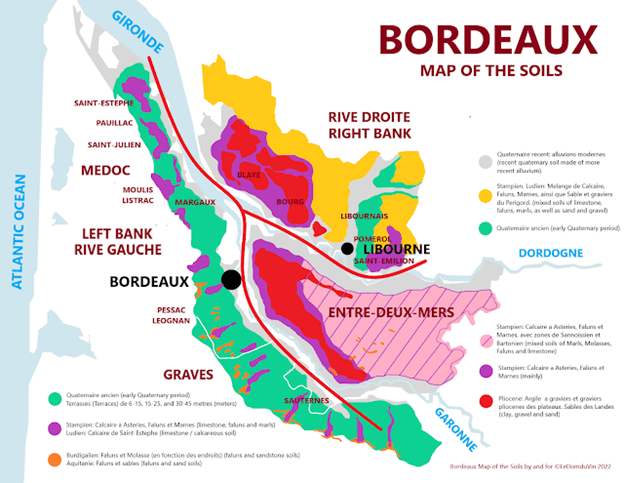
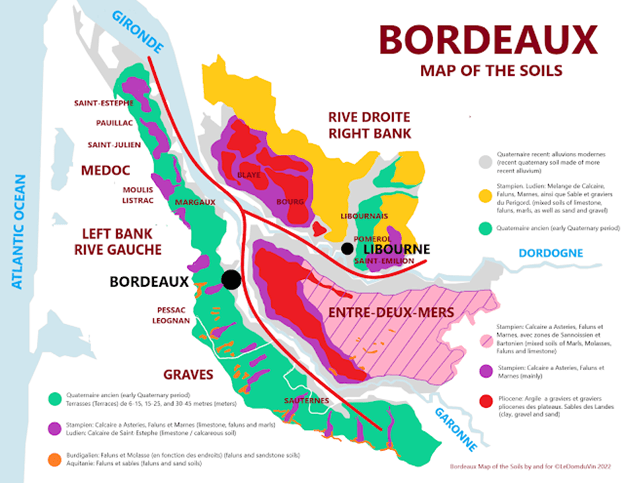
Situated south of Bordeaux left bank’s prestigious châteaux, the appellation Graves is among the best sources for delicious and versatile white wines. Its clay-and-limestone soils are ideal for growing Sémillon, Sauvignon Blanc, and Muscadelle: grapes that are used for both sweet Sauternes and dry Graves. The Entre-Deux-Mers region is starting to get attention and is where some of the great white wine bargains are to be found in Bordeaux. The name translates to “between the two waters and is the region between the Gironde River, the one most known in Bordeaux, and the Dordogne River which is a tributary that joins the Gironde just above the city of Bordeaux. Wine has been made in the Entre-Deux-Mers region dating back to Roman times, but it is just recently getting worldwide attention. White wine is made all over Bordeaux and several of the recommendations I am making in this post are from other areas in Bordeaux.
Below is a link that will let you download a list of 11 white Bordeaux wines that I really enjoy and the blend of each of them. I went on wine-searcher.com and put the average price for that wine for the 2020 vintage on the list and then ranked this list from low to high in price. The price you see in your local retailer may be more or less than this, but I think it is a good guideline on where each of these wines fits on the price spectrum. The last two have average prices over $30 but can be found on sale for $30, and I really love them, so I decided to stretch the ‘under $30” designation and include them. I also put a picture of each bottle so help you find them when you are shopping.
Below I have a short description of each of the wines taken from different web sites. All these wines are dry and very good with food. All of them have a shelf life of about 5 years from the harvest date, e.g. you should be drinking any 2018 bottles in the next few months, and the winemaker for the last one says it will age gracefully for 15 years. You will enjoy them the most if you take them out of your refrigerator and open the bottle 45 minutes before you pour the wine into your glass, so the wine is around 48-52° F when you drink it.
Bordeaux very high on my list of wine regions of the world because they very seldom bottle a single varietal wine. For centuries they have taken different kinds of grapes from multiple small plots and carefully blended them to have the whole be greater than the sum of its parts. The Bordeaux white wines are primarily blends of Sauvignon Blanc and Semillon, some with small amounts of Muscadelle. I think the blending of at least two grapes gives these wines more depth and character than most single varietal white wines. Having the grapes come from multiple small plots also brings additional complexity as there are subtle differences that grapes from each plot of Sauvignon Blanc or Semillon will have because there are variations in the terroir for each of the plots. A few of the recommended wines have small amounts of other grapes and one of them is 100% Sauvignon Blanc.
Chateau Martinon Entre-Deux-Mers – Château Martinon has been one of our favorite white table wines for several years with its price at under $11. It is a small family-owned estate in the Entre-Deux-Mers near the village of Gornac. The estate is steeped in history that stretches back several generations, and local records show that the family’s vineyard has been active for more than a century. The wine features a blend of 60% Sémillon, 30% Sauvignon Blanc, and 10% Muscadelle. The dominant Sémillon furnishes the wine with a rich, rounded mouthfeel, the Sauvignon Blanc adds lift, aromatic intensity, and zesty acidity, with the Muscadelle providing just a whisper of floral notes. I like the citrusy zip and the lengthy finish which is balanced by a gentle underpinning of minerality, alluding to the region’s limestone and clay soils.
When it comes to food pairings, this Sémillon-centric white Bordeaux is incredibly versatile. Its ripe, fruity character and balanced acidity make it an excellent match for a wide range of cuisines. It pairs wonderfully with grilled, white-fleshed fish and shrimp and perfectly complements lighter meats like chicken, turkey, and vegetarian dishes. I would also pair this with the more “difficult” foods like asparagus and artichokes.
Chateau Nicot Entre-Deux-Mers – Another great buy at $11, this Chateau Nicot Blanc is situated on the right bank of the Garonne River, just south of the city of Bordeaux. It is a fresh and well-balanced white from a blend of 60% Sauvignon Blanc, 30% Sémillon and 10% Muscadelle, the same as the first wine. Both wines are from the Bordeaux region with an identical blend, but they are different. The great diversity of terroir in Bordeaux is the reason for this. The Nicot has tangy citrus notes, subtle herbs, and nice minerality. Delicious by itself on a hot summer night, and an outstanding match with seafood.
Chateau du Cros – Chateau du Cros occupies a strategic position on the left bank overlooking the Garonne river, upstream from Bordeaux itself. It has a long and distinguished history linking it to Richard the Lionheart and Michel de Montaigne before finally passing into the hands of the Boyer family. The Chateau itself is ruined, but the estate is thriving under the direction of Michel Boyer’s daughter Catherine d’Halluin. This is the only single varietal in my recommendations, 100% Sauvignon Blanc. It has a crisp dry flavor with aromas of straw, pear, and green apple. A bargain at $11. Note: Chateau du Cros is better known for their lush, sweet wine from Loupiac. The label for the sweet wine has the text in gold, Loupiac right under the name and a $36 price tag. It is a great dessert wine. This recommended dry wine has text in green and Bordeaux Sauvignon under the name as shown in the picture in the attachment.
Chateau Marjosse Bordeaux Blanc – This $18 wine is also from the Entre-Deux-Mers region and while not a super bargain, I think it well worth the additional $7. Several major reviewers have given this wine 90-91 points. It delivers a punchy, precise glass of wine that doesn’t swerve from the center. This has such a gorgeous crispness but also chalkiness on the palate giving some dry tannins that settle and give structure and nuance. It balances the bright, citrusy acidity of Sauvignon Blanc (44%) with the juiciness of Semillon (32%) with the addition of a few of the lesser known Bordeaux varietals -Sauvignon Gris (20%) and Muscadelle (4%) – which really up the aromatics and allows it to pair with a broader variety of foods.
Domaine Barons de Rothschild Legende Bordeaux Blanc – This is the wine that first got me interested in white Bordeaux. It has a vibrant blend of 85% Sauvignon Blanc and 15% Sémillon that combines notes of tropical fruit such as pineapple and passion fruit with delicate mineral notes. Aged on lees, this wine presents a nice roundness balanced by a fresh, crisp finish. At $23 it is one of four wines that takes- us up the next step to wines under $25.
Chateau Granville-Lacoste Graves – The Château Graville-Lacoste vines are five decades old and therefore have access to deep water reserves, and because their location is in one of Graves’s cooler microclimates, this blanc is incredibly consistent, year in and year out. Crisp and refreshing, with notes of citrus, cut grass, and subtle tropical fruits, it pairs as well with oysters as it does with fresh goat cheese and grilled cod, along with many more springtime culinary possibilities hopefully coming soon. The blend is 75% Semillon, 20% Sauvignon Blanc, and 5% Muscadelle. The price is the same $23 and I suggest comparing tastes of this wine with the prior wine to see the difference between a Sauvignon Blanc led wine and a Semillon led wine.
Lions du Suduiraut Blanc Sec – Château Suduiraut holds a Premier Cru Classé in 1855 in the Gironde winegrowing area for their Sauterne. A rigorous selection in the vineyard and in the cellars ensures the production of Château Suduiraut’s wines, which are the accomplished expression of this exceptional terroir. In addition to their world class Sauterne, Suduiraut makes four dry white wines, two of them Grand Vin. The Lions du Suduiraut is their lowest price wine and one of my favorite Bordeaux Blanc. The label was changed in 2021 to be Lions du Suduiraut Blanc Sec as shown in the picture in the attachment. For vintages 2020 and before the blue label read Blanc Sec du Suduiraut.
To produce this wine, they selected a specific plot of Château Suduiraut vineyard, planted with Semillon and Sauvignon Blanc vines on average 20 years old. The fine gravel and sandy terroir brings out fruit aromas and a beautiful freshness to the wine. Its bright aromatic expression makes it an ideal wine to be savored in its youth. The blend is 54% Semillon and 46% Sauvignon Blanc. After fermentation is it aged for 6 months before bottling, 50% in vats and 50% in oak barrels, 20% new oak to add some additional flavors to the wine. Coming from one of the top Chateaux in Bordeaux, this is an excellent wine for $23. I have not tried their more expensive dry white wines but I suspect they are more age worthy and exciting.
Clos des Lunes “Lune d’Argent” – From a vineyard of deep gravelly soils located in Sauternes called “Clos des Lunes,” this gift-worthy white is a grand effort from famed Domaine de Chevalier in Pessac-Léognan. Lune d’Argent is the heart of Clos des Lunes’ production. They firmly believe in the future of this legendary terroir and its truly original style. With a touch of French oak, the 79% Sémillon is dense and rich, the 39% Sauvignon Blanc refined and precise. This wine is getting 92-93 points from major reviewers. It is a great buy at $25 and if you are one of the lucky people to see it at Costco for $14, I suggest you buy a case.
Clos Floridene – For years the leading consultant in Bordeaux for white wine that many of the Grand Cru Classe estates used was Denis Dubourdieu. He was called white wine’s most famous scientist. He died in 2016 but Clos Floridene was his family vineyard and his descendants continue to make this lovely white wine. We had it our first day in Bordeaux when our group of 12 had a charter boat take us on a river cruise from the city of Bordeaux up the Gironde River. Bordeaux wine consultant Michel Labardin put together a great set of wines for us to drink along with oysters, charcuterie, and other tasty snacks while he talked to us about the region and he led off with this wine. He told us all about Denis while we enjoyed it. When we got home it was the first Bordeaux wine that I went out and bought. It leaps from the glass with notes of Granny Smith apples, grapefruit and wild sage, plus aromas of wet pebbles and oyster shell. The medium-bodied palate delivers a good intensity of citrusy flavors with a crisp backbone and a steely finish. It has a classic Bordeaux blend of about 55% Sémillon, 44% Sauvignon Blanc and 1% Muscadelle. Surprisingly wine.com seems to have the lowest price for it, $23 but some on line sites have it at $32 so shop carefully.
Chateau Olivier – For years, Chateau Olivier has brought together the present and the past by making wines of great art in an estate that has six Classified Growths of Graves in red and white. Eleven different terroirs have been identified, passed down by those who once contributed to the building of the fine reputation of Bordeaux’s great growths. The winemaker describes this 2020 vintage as pale, yellow color, very expressive nose with citrus and white flower notes. It starts out with vivacity, citrus and yellow fruit aromas are present. Small notes of pastry appear as well as a certain sweetness. The finish is long and has the signature of the great white wines of Oliver with the length, the aromatic definition, and the precision of the fruit. The blend is 75% Sauvignon Blanc and 25% Semillon. Wine Enthusiast gave this wine 95 points. The average price on this is $39 but I found a couple of places that had it for $30 so I snuck it on this list.
Virginie de Valandraud – Another wines that has people selling it for $36-45 but it can sometimes be found for $30 so I included it. Dubbed the “bad boy” of Bordeaux (a title he relishes), winemaker Jean-Luc Thunevin and his wife Murielle Andraud sunk every penny they had to purchase the Right Bank vineyards they named Château Valandraud in 1991. Now ranked as one of only 14 Premier Grand Cru Classé estates, Valandraud is considered one of the finest red wines of St.-Émilion. The Virginie de Valandraud red wine was introduced as their Second Wine in 1992 and recently earned Grand Cru Classe status, unheard of for 2nd wine. They released a white wine under that same name in 2016 and it has gotten rave reviews, generally 92-94 points. The 2020 Virginie De Valandraud Blanc has a beautiful perfume of bright citrus, lemon pith, and chalky minerality as well as a medium to full-bodied, concentrated, yet still racy and vibrant style on the palate. It’s gorgeous today, but this will evolve gracefully for 15 years. The blend is 50% Semilion, 40% Sauvignon Blanc, and 10% Sauvignon Gris, a grape not often seen.
If you are not already a White Bordeaux fan, I hope you will try some of these wines and enjoy them as much as I have. If you are already into White Bordeaux, I hope you will find a couple of new ones that you will want to add to your cellar. If you have a great White Bordeaux in this price range that you think should be on this list, I hope you will let me know about them in a Comment.
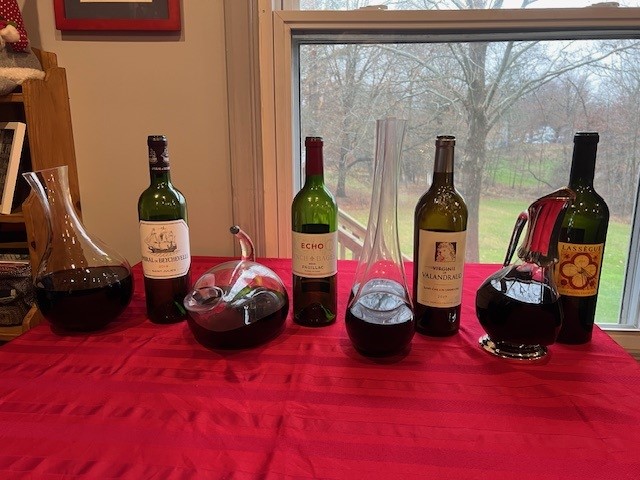
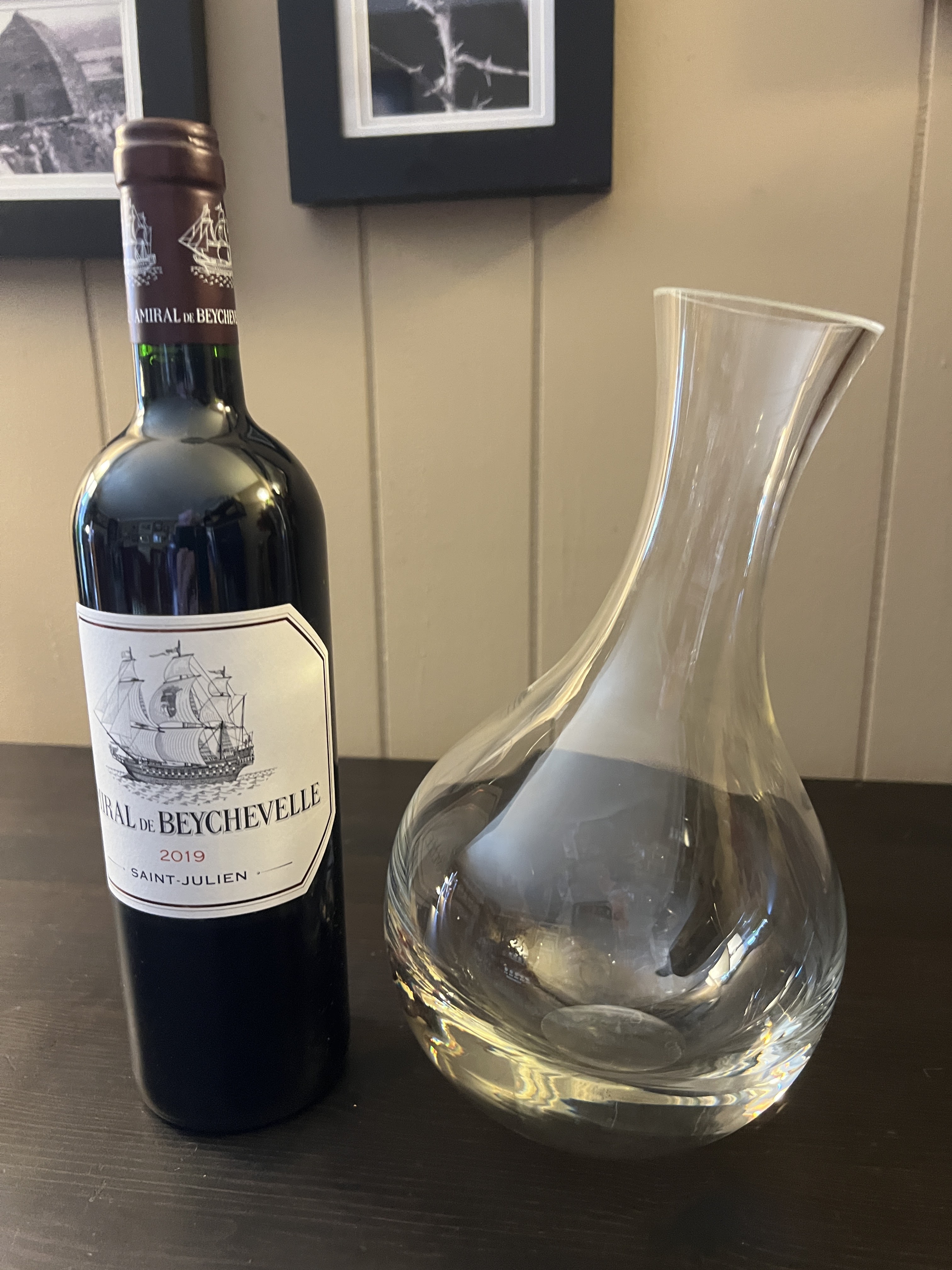
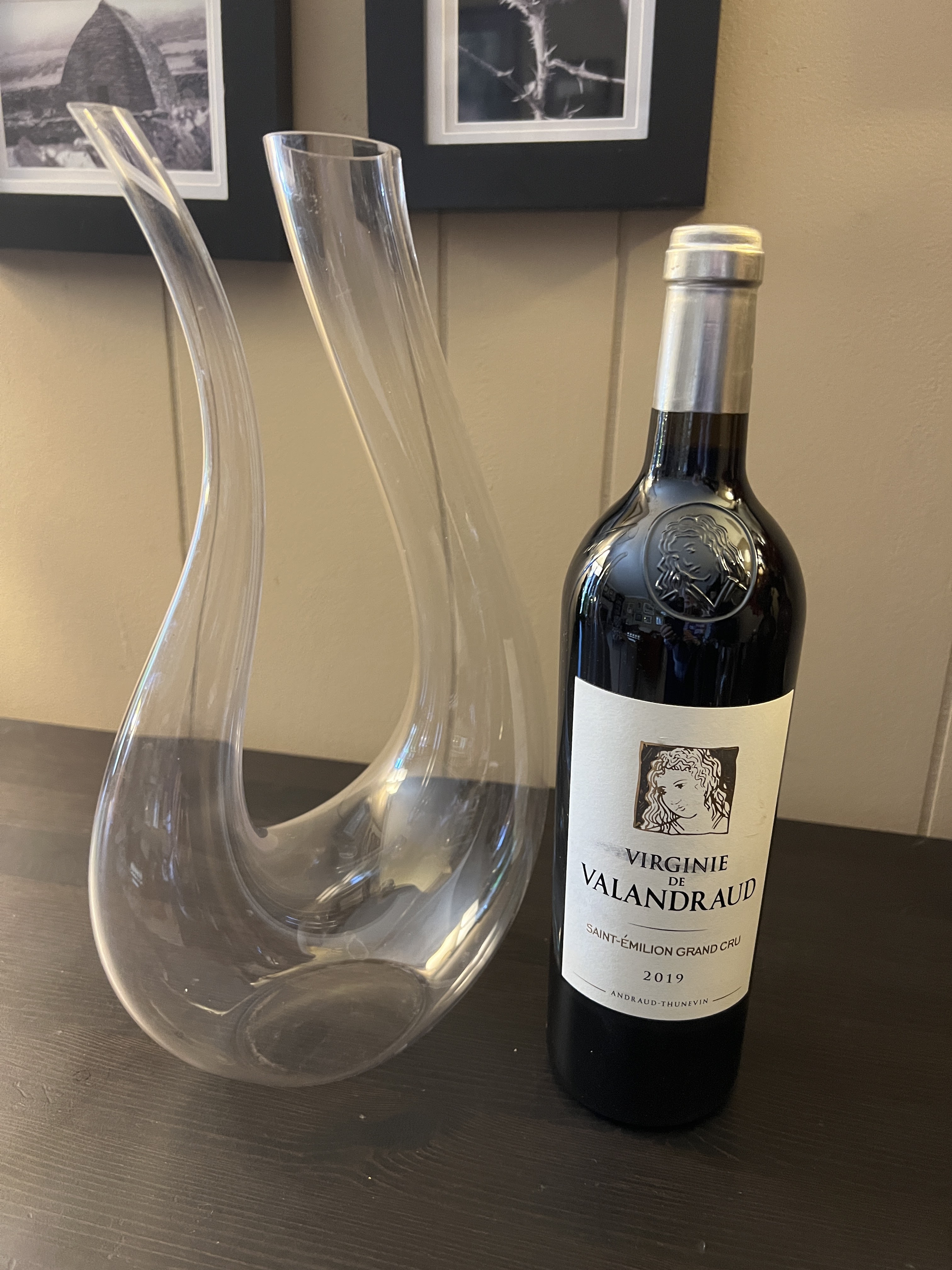
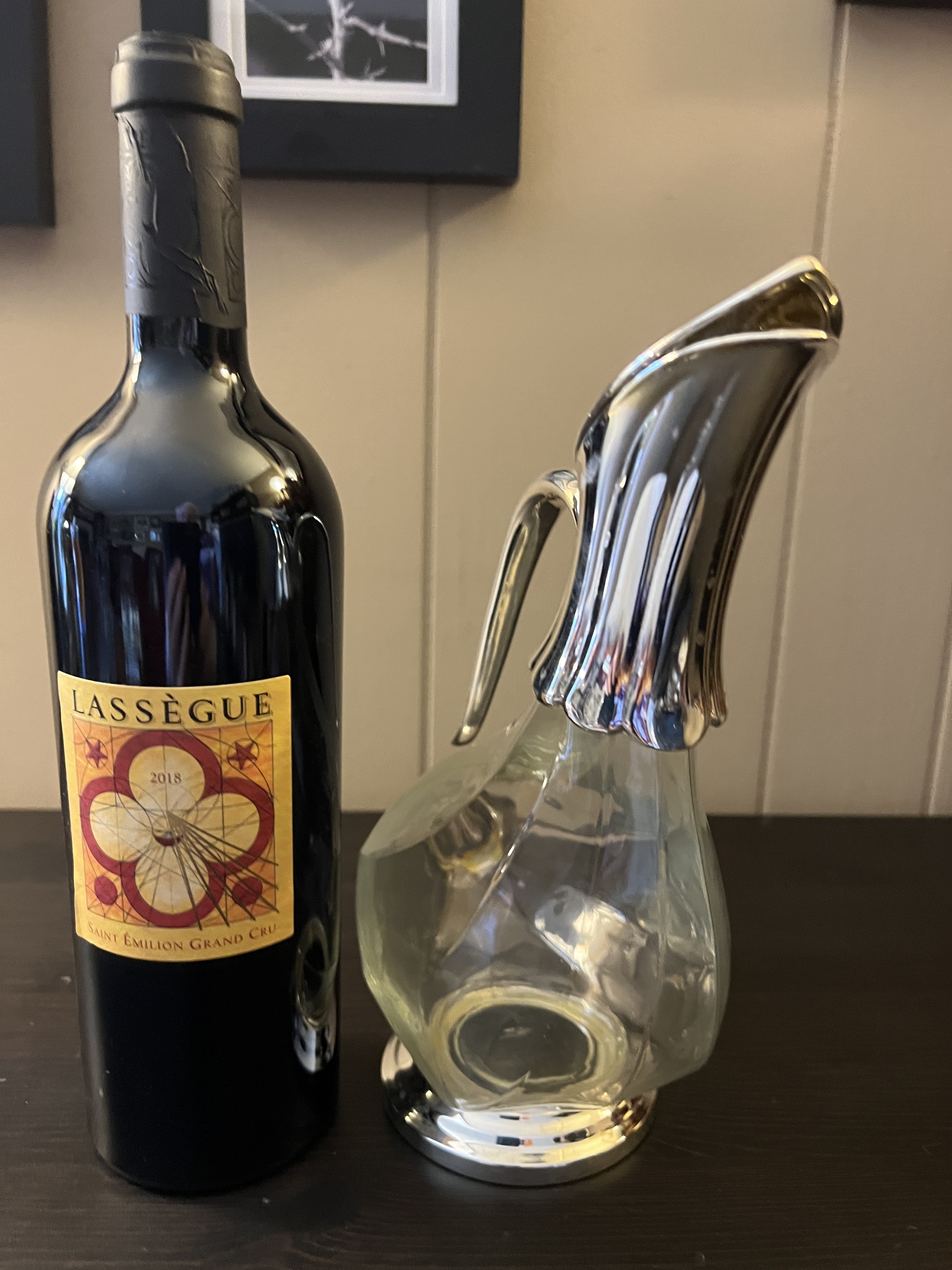
For my 75th birthday I decided to do a Bordeaux wine tasting for my family before dinner. I raided the wine cellar for four 2nd wines from Grand Cru Classe vineyards and one that was a Grand Cru Classe wine. One was a Graves white wine and the other four were red wines, two Left Bank and two Right Bank. While everyone liked all five of the wines, the red wines got most of the attention.
What was very interesting was that each of the four red wines was ranked #1 by at least one person and each of them was ranked #4 by at least one person. I want to be clear that when someone ranked a wine as #4 it just meant that they liked the other three better, and they would happily drink that wine at any future family party where I want to serve it. None of the wines was clearly the most or least favorite and I was very surprised by that. There was full agreement that these 2nd wines are great values at the prices that they command.
Below is a summary of each of the five wines. At the bottom I put the price of that wine and the price of the first wine from that same estate, just to illustrate the value of the 2nd wines. Note on the white wine from, Graves that their first wine is a lovely Sauternes and the price shown for that wine is for a half bottle. When we were in Bordeaux this summer, several of the winemakers told us that the 2nd wines they are making today are better than the first wines they made 20 years ago because of the new wine making facilities they have with lots of technology to help them. The last wine discussed below, Chateau Lassegue, submitted their 2018 vintage for the 2020 St. Emilion Reclassification and that wine was given Grand Cru Classe status. The 2018 is what we tasted so there is no 2nd wine from that estate.
Because these were very young wines, two of them 2020, one 2019, and the one 2018, I opened them at 9:30 AM and let them breathe in my wine fridge. At 2:30 PM I double decanted them with aeration to help them open up. They were served at 3:00 and were at 60° F. The white Graves was served at 50° and was opened for an hour before serving.
Graves White Wine
Blanc Sec de Suduiraut 2020: Chateau Suduiraut was one of 12 estates in Graves given Premier Cru status in 1855 for its Sauternes wine. Only the famous Chateau d’Yquem was rated higher as a Grand Premier Cru. Today they also make four dry white wines in addition to their Suuternes. The Blanc Sec de Suduiraut is made from a specific plot planted with Semillon and Sauvignon Blanc grapes that average over 20 years old. The plot has fine gravel and sandy soil that brings out white fruit and hazelnut aromas and a fresh, crisp taste with some grapefruit on the finish. The 2020 blend is 54% Semillon and 46% Sauvignon Blanc. It is aged 6 months with 75% in vats and 25% in oak barrels, 30% of them are new oak for a very modest touch of oak in the flavor. We did not visit this estate on our trip to Bordeaux.
Chateau Beychevelle – St. Julian Amiral de Beychevelle 2019: Chateau Beychevelle is an estate that was a 4th Growth in the 1855 Classification of the top 60 wines in Bordeaux. The Amiral de Beychevelle uses grapes from the younger vines but with the same growing techniques, meticulous sorting (only using about 55% of the grapes harvested), and barrel aging of the Grand Cru Classe wine. It is ready to drink after five years and will hit its peak at about 12 years. The 2019 is 68% Cabernet Sauvignon and 32% Merlot. It has a deep red color with fresh fruit aromas. The tannins are elegant and deep and will round out with age.
Amiral de Beychevelle – $47 Chateau Beychevelle Grand Cru – $125
Echo de Lynch Bages 2020: Chateau Lynch-Bages is a Left Bank estate that was a 5th growth in the 1855 Classification but based on today’s prices would very likely be a 2nd Growth. Echo is made from the Chateau Haut-Bages Avernous plot in Paulliac and for over 30 years has been used to make the Lynch-Bages 2nd wine. In 2008 that wine was given the Echo name. This 2020 wine was the first be made at the new winery facility that we toured. It is 60% Cabernet Sauvignon and 40% Merlot and is aged 12 months in one year old barrels. The 2020 Echo displays vibrant ruby purple in the glass with aromas of fresh redcurrant and raspberry. The palate unfolds with well-rounded tannins on a fresh and elegant finish.
Virginie de Valandraud 2019: Dubbed the “bad boy” of Bordeaux (a title he relishes), winemaker Jean-Luc Thunevin and his wife Murielle Andraud sunk every penny they had to purchase the Right Bank vineyards they named Château Valandraud in 1991. Now ranked as a Premier Grand Cru Classé, Valandraud is considered one of the finest wines of St.-Émilion. Only 14 estates won the Premier Grand Cru status. Virginie de Valandraud was introduced as their Second Wine in 1992. For the Thunevins, a Second Wine isn’t just a Second Wine, it’s a wine that is able to stand on its own merit. The quality level of this Saint-Émilion Grand Cru is simply superb, and it is one of the better value for dollar wines on the market. Since 1997, the quality of this wine raised its status to that of a First Wine, a Saint-Émilion Grand Cru, the sames status as the one below. This is a rare feat for a Second Wine, and proof that sometimes it’s good to be a little bad… Merlot 80%, Cabernet Franc 20%.
Virginie de Valandraud 2019 -$55 Chateau Valandraud – $235
Chateau Lassegue 2018: Chateau Lassegue is a Right Bank estate that in 2003 was purchased by the Jackson Family, best known for their Kendal Jackson wines. They kept the same winemaker in place but provided funding for significant modernization of the vineyards and the wine making process. Based on those improvements when this 2018 vintage was assessed in the 2020 reclassification of St. Emilion, it was promoted to Grand Cru Classe status, one of seventy-one estates to earn that status, so this is their first wine, not a 2nd wine. The 2018 is 62% Merlot, 35% Cabernet Franc, and 3% Cabernet Sauvignon from vines that average 50-60 years old which is approaching “Old Vine” status. It is barrel aged for 12 months in 60% new French oak. On the nose, the richness of the Merlot is complemented by the extravagance of the Cabernet Franc, and after aeration the bouquet develops subtle notes of cassis and violet. The palate explodes with silky round red and black fruit, while the finish is dominated by black fruit with barely perceptible rounded tannins. We did not visit this estate on our trip.
Chateau Lassegue 2018: $60
I hope this post encourages you to try some of these wonderful 2nd wines.
Thanksgiving is coming in three weeks. What wine(s) do you plan to serve with your Thanksgiving dinner this year? Have you bought them yet? There are lots of alternatives. Below is a download where I recommend about 45 different wines that I think pair very well with turkey.
Most people associate poultry with white wine, following the white meat – white wine guidance. But this is not a rule, and turkey does have delicious dark meat as well. My recommendations start with three white wines: Chardonnay, Pinot Gris, and Riesling. I am also recommending you consider a dry Rose and/or a medium bodied Pinot Noir. Both also pair very well with turkey. The prices shown in the attachment are rough averages of what the larger online stores are selling them for. There can certainly be a variation of a few dollars, depending on your state and what store you pick. Taxes and shipping, if ordering online, are additional.
One common theme in my blog posts on wine is that Americans drink their white wine much too cold and their red wine at too warm a temperature. White wines should be drunk at 60° F. Most refrigerators are at about 48° and taking wine out of the refrigerator and pouring it blocks off much of the delightful taste of that white wine. I highly recommend taking white wine out of the refrigerator, opening it, and let it sit on the counter to breathe and open up for 30 minutes before serving it. If you don’t believe me, try this experiment. Get two bottles of the same wine and open one of them and let it sit on the counter for 30 minutes. Then open the second right from the refrigerator. Compare the tastes, the first one with have many more tastes than the second one.
Good red wines served at room temperature are also hiding much of their flavors. Winemakers usually finalize their wine by blending wines from different grapes or using the same grape but from several properties. The wines have aged in barrels in the cellar which is at 60° F. The winemakers are tasting the wine at that temperature when they finalize their wine. Serving red wines that have had the time to open up and that are at 60° will let you taste what the winemaker wants you to drink. You will get the most flavor out of the Pinot Noir that is the last set of recommended wines below if you open the bottle and let it breathe 3-4 hours before serving and then put it in the refrigerator, open and standing up, for 30 minutes to get the wine to 60° F before serving itTry the same kind of experiment with two bottles of a red wine to see how big a difference it will make. One question I frequently get when I recommend wines is, “Where can we find them?” Unless your local liquor store is a very good wine store, they probably will have only a few of the recommendations in the handout. Here is a link to the blog post I did on different ways to find the wines. https://billwinetravelfood.com/2023/07/29/where-do-i-find-the-wines-that-are-being-recommended/
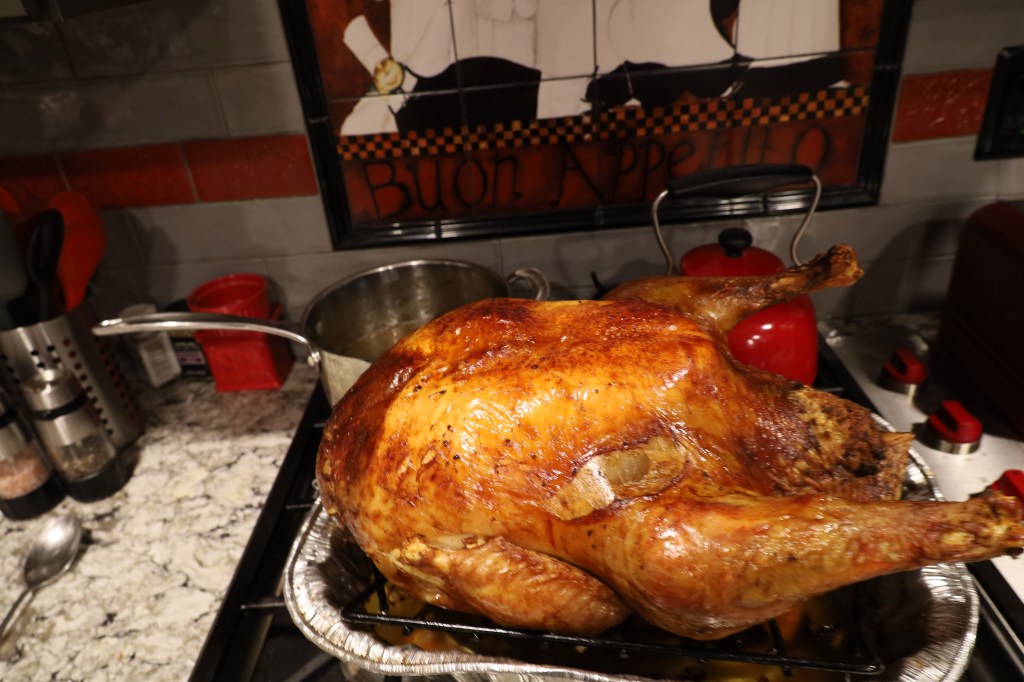
Also available for download is my recipe for Roast Turkey. Beth and I were married in 1971 when I was a grad student at Columbia and she was entering the Navy Nurse Corps. She was on duty on our first Thanksgiving Day. so I volunteered to cook a turkey instead of going out to eat when she got home from the hospital. The turkey was golden brown, moist, and delicious. At the end of the meal she looked at me and said that she was never roasting a turkey and, 52 years later, she has held firm to that. For the last 16 years I have been blessed to have different grandchildren cook the turkey with me, so the recipe and tradition are being handed down. In the below blog post are lots of pictures that may be a good compliment to the recipe if you download it. https://billwinetravelfood.com/2022/11/14/thanksgiving-roast-turkey/
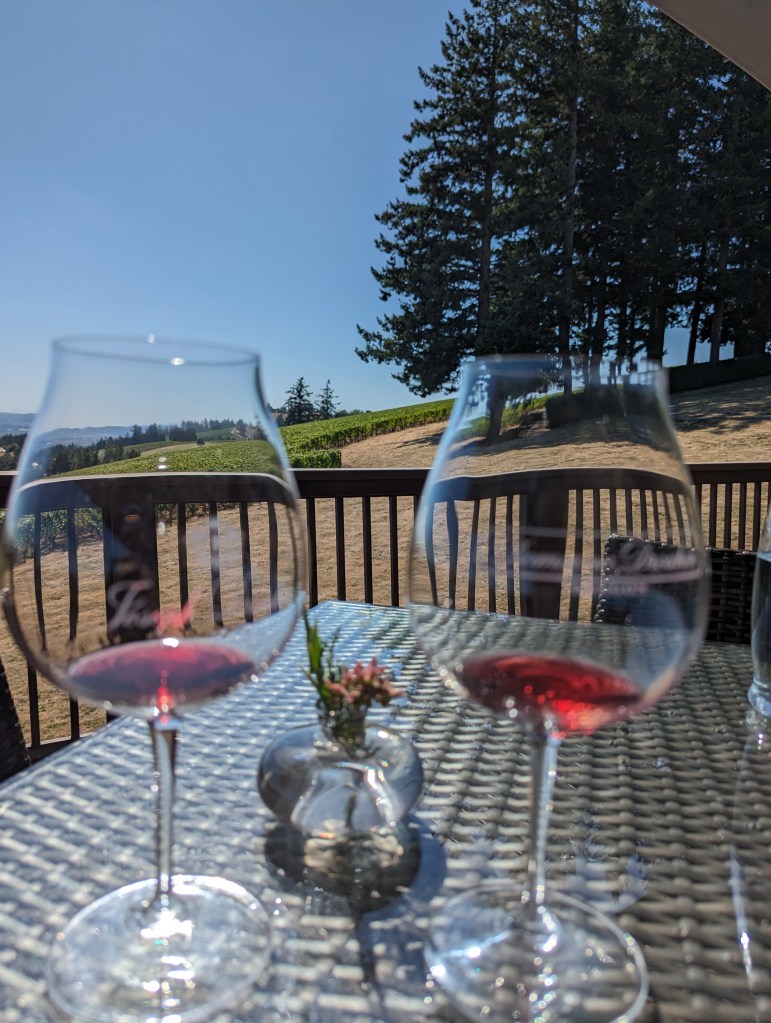
In September Beth and I spent a few lovely days exploring Portland, Oregon and four great days tasting wines in the Willamette Valley. We had been looking forward to doing this trip for several, years and it fully lived up to our expectations. We definitely plan to come back for another visit.
Writing up all the great visits we had with some pictures, and letting you know about the over 50 different wines we tasted ended up being pretty long so I am attaching it as a PDF for you to download and read at your leisure. When I include pictures I never know what you will be seeing if you are using your phone, a tablet, or a PC to view it. With the PDF the pictures will be in the right place. I also have an attachment of all the wines that we tasted that are available through the websites above. There are 45 wines on this list because some of the wines we got to taste are ones that are not listed on their websites.
I would really love to get some feedback on this approach of just having a short summary in the post and lots more details in attachments that you can pullup to read, and also download if you want to keep them, is better than having everything is the blog post. I hope you find this interesting and consider visiting the Willamette Valley for some great wine tasting.
Have you ever bought Wine A because it had a little more cinnamon in its aroma than Wine B had? Not me! I just do not understand the preoccupation with diving deep into the aromas and tastes of a wine and why they have become so important. Do you like the wine or not? Is the reason you like it because it has cranberry aromas instead of strawberry aromas? Or is the reason you like it because of the body, how it presents the tannin’s, and the character that it brings out of the grapes? The latter are the things that I am evaluating when I decide how much I like a wine.
I give a wine a grade: A, B, C, D, or F. An A grade means I really like the wine and want to have some in my cellar so the next time I want to drink it I can just go down to the cellar and open it. A wine gets a B grade when I like it and am happy to order off the wine list in a restaurant. If I see it on sale at a good price, I will buy some for my cellar. The grade of C means that it is drinkable and if I am at a party and that is what they are serving, I will have a glass. The D grade means undrinkable and if they are serving that at a party then I will drink club soda. The F grade is failing, and I will actively tell people to avoid that wine.
I give that grade based on the overall impression that the wine makes on me. I don’t have a spreadsheet where Body gets so many points and tannin can get anywhere from 0 to 20 points. My judgement is only about how much do I want to have this wine again.
Thanks to Robert Parker the standard now is a numerical ranking up to 100 as the highest score. I don’t know what the lowest score is. If is lower than 80 then the people who want you to buy that wine don’t publish it and magazines and web sites don’t want to write about those wines. I have seen a pretty significant disparity in the numerical grades that different reviewers give a wine so I am more impressed when the scores from multiple reviewers are posted, and I can see the range for that wine. I also like to see if that wine has gotten similar rankings in past vintages as that tells me if that winemaker has a strong track record or not. These rankings from reviewers are a factor in my choosing a wine to try but they really do not factor into the simple letter grade that I give the wine.
I have led a number of wine tastings, and in my notes about the wines I always include information about the aromas and tastes because audiences have been taught to look for that. But I don’t talk about those things when discussing the wine, just about what I particularly liked or didn’t like about that wine. What has been fun is reading different reviews about a wine and seeing when some reviewers identify totally different aromas and tastes than other reviewers. And sometimes I will see that they just copied and pasted what the winemaker published about his or her wine in their review which leads me to wonder if they ever really tasted that wine. I think that it might be just l a contest to come up with an aroma or taste that no one has noticed before. If something has an aroma of moldy straw, why on earth would you ever put it in your mouth? And how do you know what damp concrete taste like? I have seen both.
I believe that a big reason why talking about aromas and tastes has become so important is that wine classes focus on it, particularly what is probably the biggest name in wine education – WSET, the Wine and Spirits Education Trust. This is not a rant about or against WSET. I took their Level 2 class and learned some good things and am glad I took that class. And in the class exercises I could distinguish that this wine had raspberry aromas while this other wine had plum aromas. I just did not see why that was important and it did not have any impact on my judgment about wanting to have that wine again or not. And WSET thinks that Cabernet Sauvignon wines are significantly superior to Pinot Noir wines and pretty much thinks that all good US wine is being made in California and nothing exciting is happening in Oregon or other states. Just a minor rant.
If someone wants to have a career in wine and spirits, getting the higher level of WSET certifications can be very important. Getting an MBA degree can open up doors for career opportunities that someone with a BA would not have. But an MD degree is more than letters after your name, it is an absolute requirement to practice medicine as a doctor. WSET certifications are more like the MBA degree in my opinion, and they are a significant financial and time investment to get to the highest levels.
Enough about WSET. My primary rant is about why does defining all sorts of aromas and tastes get so much attention in reviews and write-ups about a wine. I do care if the amount of time spent in new oak barrels is significantly noticeable in the taste and aroma. If they are, chances are that I will not like that wine very much, but some people will make it a preference because they really like that oaky flavor. One of the great things about wine is that it has an enormous range of tastes and people should get the wines that they like. I have no argument with anyone who likes very oaky wines. I hope they do not have an argument with me that I am enjoying making fun of all the hoopla about aromas and tastes in a wine.
I do a lot of grilling, some on a Weber Gas Grill and some on a Kamado Joe grill with lump hardwood charcoal. There are three issues that I have struggled with over the years when grilling:
Food falling between the bars on the grill grate and lost forever – Most often this is when I am grilling sliced vegetables, one of our favorite things to do. When flipping them over some of them slip between the bars on the grill and fall into the flames. We like to grill slices of onion to accompany a grilled steak and when flipping them the slices can come apart and pieces fall through the grate. I have had small shrimp fall through the grate and that is a bigger loss then vegetables.
Food sticking to the grill – I generally spray the grill grate with PAM before lighting the grill and I have cast iron grill grates that are well seasoned by this time. But some foods still stick to the grate. If I let them cook long enough to release, I am way off the cooking times for that recipe. If I use a spatula to free them from the grate I can tear the skin or the surface of the meat and it just does not have that great appearance when served.
Food with a high fat content that causes the grill to flame up and scorch the food – Most recipes that are using one or more ground meats have a pretty high fat content in some of those meats and when that fat starts to render, it drops into the flames and they can flare up. Some flame is good but if the fat content is high the flames can burn the surface while the insides are still not cooked to the desired temperature. Depending on the fat level in the meat used, hamburgers can do this.
I have found a very simple answer to all three of these problems – a heavy duty plastic Grill Mat. The mat provides a continuous non stick surface that eliminates all of the issues above. The mat picks up the temperature from the grill mat and I get the same grill marks as is the food was directly on the grill grate and not on a mat.
The ones I use are certified to work at grill temperatures up to 600 degrees which is as high as my gas grill goes and I have to go all out with my Kamado to get it to 700 degrees so not a problem to keep it under 600 degrees. This lets me use the mats whenever I think they are appropriate if I am grilling low, medium, or at high heat on the grill.
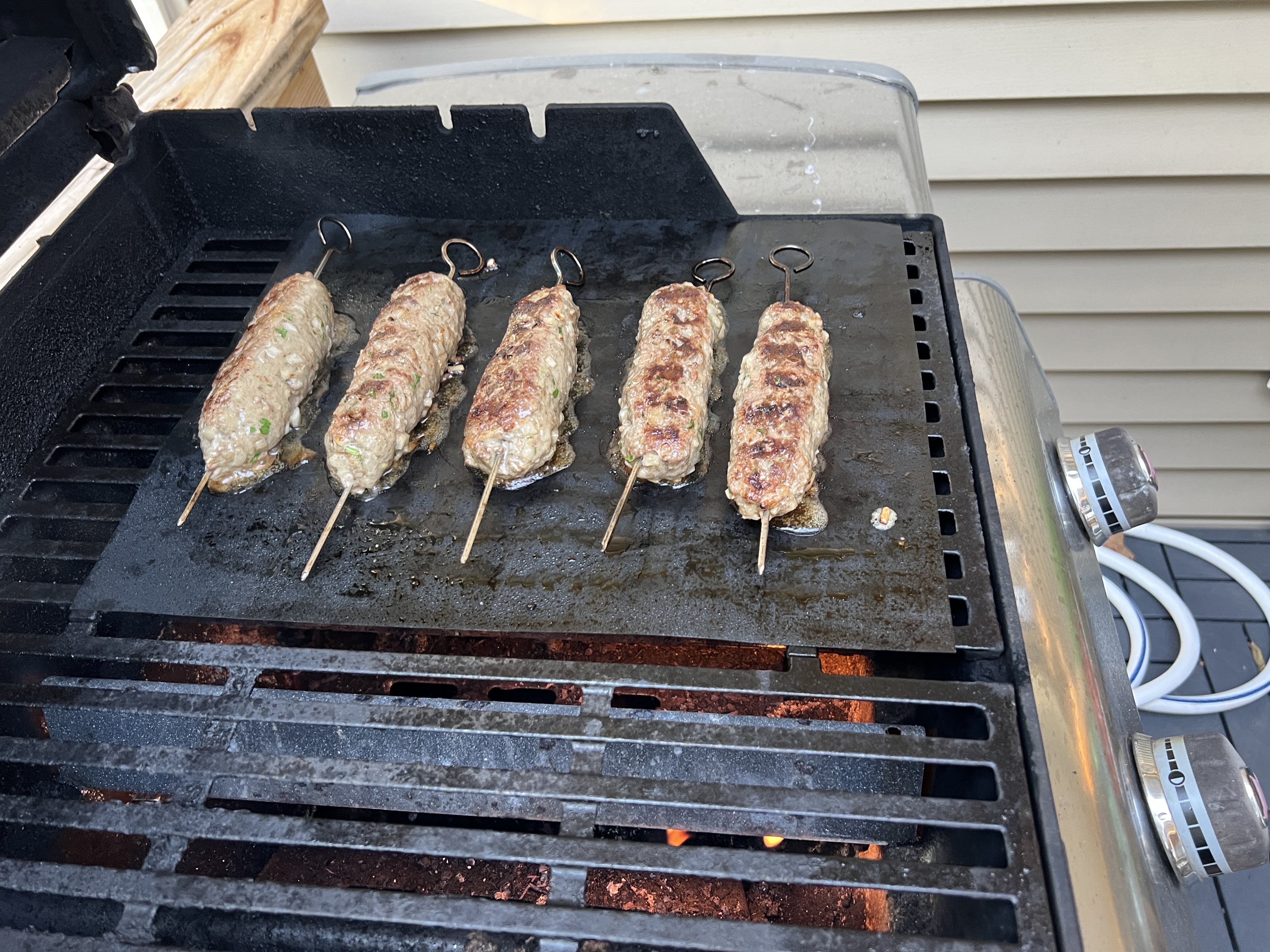
The picture above is when I cooked Lamb Kofta Kabobs that had a high fat content and the recipe was very concerned with them sticking to the grill grate. You can see the grill marks on the meat and the fat that was rendered stayed on the mat so there were not flare ups with the grill at high. If the recipe calls for searing and them finishing the cooking at medium or low heat on the grill, I can use tongs to slide the mat with the food on it from the very hot part of the grill to where there are no coals or little or no gas flame. When I did the Lamb Kofta Kabobs, I left the mat on my grill with the top down overnight and the next day the fat had congealed, and I easily scraped it off into a fat can and then scrubbed the mat with a soapy sponge and it was ready to use again.
And the mats have a 7 year warranty. I have used a mat multiple times for over two years with no issues. At some point they start to get a little bedraggled and I then retire them. The Amazon link below is for the ones I am using now, and two mats cost $20. If the two mats last a total of 4-5 years, that is an insignificant cost.https://www.amazon.com/gp/product/B00KJVTB96/ref=ppx_yo_dt_b_search_asin_title?ie=UTF8&psc=1
I confess that when I first got a grill mat I was a skeptic and had visions of melted plastic destroying my gas grill. There are different thicknesses and I have gone with the heavyweight ones for a little more money. I am sure now that the lightweight ones will not melt either, but what I have been using has worked well so when it was time to replace my mats a few months ago, I went back and got more of the same. They have made my grilling much easier and more fun, and eliminated food lost through the grate.
I suggest you give them a try. Let me know what you think.
One of the most common questions that I get on my wine related blog posts, and al;so that I see on the wine groups that I subscribe to on social media, is where can I get these wines that sound so good. I have some suggestions for finding on-line retailers who will ship to you and then some thoughts related to local retailers you can go to. Buying wine on-line and having it shipped to you from reputable, licensed resellers in other states is totally legal for you and for them.
For those of us in the United States, the state and, in places like where I live, local governments, have licensing laws and controls over who can sell alcoholic beverages and in some cases, which ones they can sell. The laws regarding shipping wine from one state to another have been greatly relaxed and I believe with a little research you can find reputable resellers that will ship wine to your home address. Below are some suggestions on some places to quickly do that research.
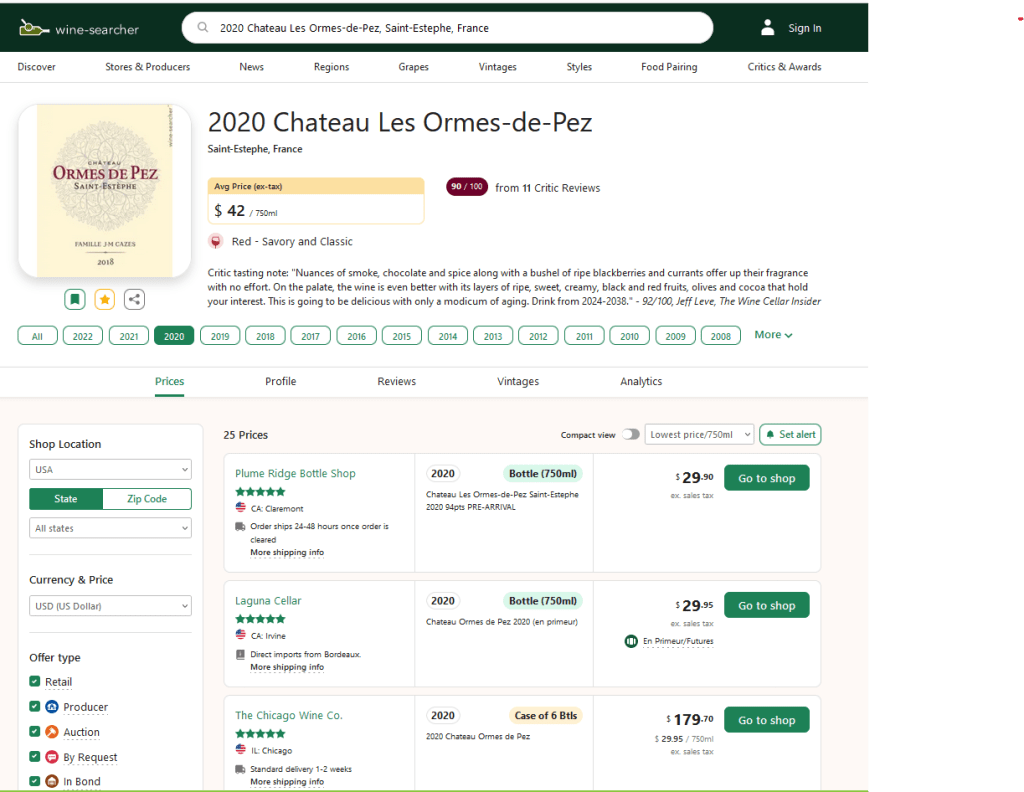
My primary go-to web site is www.wine-searcher.com. The picture below is a screen shot of their site where I was looking for one of my favorite Bordeaux wines. I put Ormes-de-Pez in the search box at the top and this is the screen that was returned. I then went to the pull-down list under Shop Location on the left and chose USA. For those reading this blog that are in other countries, they have a very wide list of companies that you can select. If I put in my state, Maryland, I would get back a screen that shows they do not have any Maryland stores that are selling this wine in their records but they do have nine on-line resellers in the US who will ship it to me in Maryland. I can look at different vintages and see how many retailers have that vintage and at what prices.
I have not had a bad experience with any reseller that I have chosen from their list, but I do have four on-line retailers that I have bought from several times and that I recommend. I have accounts at each of them with my address and credit card info to make placing orders quick and easy. I am on their mailing lists so I get emails on sales that they have where I might be able to get a wine I like at a discounted price. Those four recommended on-line retailers are:
They all have different deals on shipping that you want to investigate to get the lowest total price on your order. Generally, at least a full case of 12 bottles and often a dollar threshold is needed to get a lower shipping cost. The above resellers use either UPS or FedEx for their shipping and have options if you need a specific wine quickly. I have not ordered any wines from resellers in other countries and I believe that if they are able to ship to me in Maryland, the shipping costs on that order would make the wine very expensive.
To the best of my knowledge, all locations in the US require that someone over 21 years of age sign for the delivery of alcoholic beverages. If I was not at home when the delivery truck tried to make a delivery, they have left a notice on my door that says they will come back the next business day. Some of those notices allow me to sign the form and leave that on the door, but in my experience that was not sufficient for alcohol beverages, they needs someone in person to prove they were over 21. If I miss three deliveries then the shipment is returned to the reseller and I am looking at another delivery charge if I want shipped to me again.
Because most shipments happen during working hours on weekdays, that can be an issue for working people. UPS and FedEx give you the ability to specify a local location where the package can be shipped and held for you for pick up. But you want to do that when you place the initial order, and most of the sites show that option during the checkout process. Doing it after you have missed a delivery can take a while on the delivery company website and can have a charge associated with it. FedEx shipments are usually held at a local FedEx facility. UPS has many more options and I can choose either the Safeway or the RightAide that are just a few miles from me. But you may only get a notice that the order has been shipped and when it will be delivered to that 3rd party location. Sometimes I get a second message it was delivered, but I do not always know exactly when that shipment has been received s I can pick it up. If I do not pick it up within 3 days of when that location got the shipment, it is shipped back, so I try to make the pickup as soon as I am pretty sure that it is there. A photo ID that shows who you are and your birthday, e.g. Drivers License, is needed.
I recently ordered from Gary’s at a great price a case of the Mauvesin Barton Bordeaux that I have raved about on this blog . I got an email from them suggesting that the high heat we were experiencing on the East Coast could be an issue since UPS and FedEx are not using refrigerated planes and trucks. They suggested holding the shipment until September and ship it then if the temperatures were the norm for that time of year. We agreed over email on a date in September for that shipment. This customer service is an example of why I am recommending these four resellers.
The gorilla in on-line sales of wine is www.wne.com. They have an excellent selection and a very good web site, and mobile app, to work with. If you want to make them your primary on-line source, you can pay an annual fee and get free shipping on your orders. They also have different specials going on almost all the time with 10-29% discounts depending on the size of your order. You will get notices on this and on the wines that they have on sale if you sign up, but expect at least one email a day from them. Wine.com is an excellent reseller but there are two things I want to make you aware of.
The first may be irrelevant to you but it has impacted many of the virtual wine tastings that I have done with people from around the country. Wine.com has a number of warehouses around the country and each shipping location is serviced by a specific warehouse. The warehouses have different inventories and if one is out of stock on an item that you want, they do not ship it from a different warehouse. The warehouse that ships to me in Maryland is different than the one that services Northern Virginia so wines that I can get may not be available to my friends who live only 30 minutes away.
The second thing you should be aware of is that the convenience that wine.com offers comes at a price. Their prices are usually 5-10% higher than my local retailer who has that wine on the shelf or if one of the above four on-line resellers is stocking it. But the convenience that they offer may make that price difference not important to you.
There are also two gorillas in terms of a local retailer that you can go in and walk the isles and not pay any delivery charges – Total Wine and Trader Joe’s. Before I share my thoughts on both, and two other very good local stores with excellent wine inventory, I want to clarify where I am coming from in terms of local retailers as that significantly impacts the choices that I am making in this regard.
I live in Montgomery County, Maryland, just outside of DC. That county has its own Alcoholic Beverages Commission that strictly controls not only who can sell alcoholic beverages, but they can only sell wine and sprits that are on an approved list and that they have in inventory. That list is very limited when it comes to good wine, and the prices for the ones that they do have are high. As a result, I have to drive 30-45 minutes to get to a decent retailer that has a good selection and good prices. I buy about 40% of my wine on-line mostly to avoid that drive and partially because the our local sources I have do not have a specific wine that I want. I do not buy at any of the local Montgomery County owned and operated liquor stores.
At this point in my wine journey I am not interested in trying wines that I have never heard of to find ones that I like. I have a cellar of over 800 bottles and over the last 50 years I have a comprehensive list of wines of all types and many countries that Beth and I like. Most of what I buy are wines that I have had in my cellar and really like, and I am replenishing my stock in them. We generally take a wine trip each year and on those trips we are trying new wines and some of them go on my preferred list. Other than that, I am not searching for new wines to try.
The closest Total Wine for me is about 45 minutes away. Their emails and website, and much of the in-store promotion, in the last couple of years is all about their “Winery Direct” wines. I am not interested in trying new wines that I’ve never heard of and Total Wine has gotten a really good price on. I find it laborious to work through Total Wine’s web site to see if the store 45 minutes away has on the shelf the specific wines that I am looking for. As a result, I generally go to Total Wine maybe once a year. I am not the target market they are looking to serve. You are likely in a different place in your wine journey and Total Wine may be a very good choice for you. I have nothing bad to say about Total Wine, just that they are not targeting me as a customer.
Trader Joe’s has a stigma that many people can’t get around in terms of buying wine there – Two Buck Chuck. Last I looked that was around $4 now but the Trader Joe’s that are in places where they can carry wine do have a very good selection of wines at decent prices. Four of our House Wines that I have talked about in other blogs I get at Trader Joe’s for under $10. My wife also likes many of their other products and shops there regularly. The one convenient to us will not put up with the BS requirements from Montgomery County and does not carry wine or beer. It is a 30 minute drive to the one that does and we go there 3-4 times a year to replenish our supply of house wines that we like.
There are two retailers in DC that are excellent resources for very good wine, and they have very good prices as well: Calvert Woodley and MacArthur Beverages. Calvert Woodley is my #1 source for wine. They have an excellent web site that lets me check the availability and price of the wines that I like and am looking to replenish. I place my order on-line and stop into the store in the next week or two, parking their parking lot off Connecticut Ave, and they will carry the box with the wine I ordered out and put in my car. I can browse the shelves but their selection is so large it is intimidating and again, I am looking for specific wines, so going through their web site really works for me. They are a 35 minute drive for me but not having to worry about parking in DC is huge. I am also on their mailing list for sales, a special wine they recommend each week, and wine tastings and dinners that they sponsor. They are just what I am looking for at this stage of my wine journey.
MacArthur Beverages is about the same distance away and is the preferred source for some friends that are very good with fine wine. MacArthur will also let me order what I want on their web site and have it ready to pick up. But the lack of parking and my having to carry it to my car is a drawback. There are some of our favorite wines that Calvert Woodley does not carry, so I get them at MacArthur. I go there a couple of times a year.
Mostly I have relationships at Calvert Woodley so that is my first stop and I go to the other local and on line resources when I can’t get it there. I probably buy over 50% of my wine from them and the rest from the other local retailers and the on line sources discussed above.
One final thought in this world of omnipresent social media. Buying wine from a source you find on social media is VERY high risk. Someone’s uncle who had a great wine collection may have died and left it to them. And they may know nothing about fine wine and are willing to sell great wines at a fraction of the normal cost for those wines. But there is a much greater chance that one or more of the other scenarios below is what you will find out to be the truth if you buy some of those wines:
It is a fraud and your credit card will be charged for at least that transaction, and maybe multiple other ones, and you will get nothing shipped to you. Law enforcement will likely be unable to track down the person who stole your money.
Buying and selling wine is a controlled activity in this county and both of you could be subject to criminal charges even if you got the wine that you thought you were buying. Individuals who have wine that they do not want have to go to a licensed auction house which will put that wine up for sale only if they are comfortable that it has good provenance including documentation that it has been properly stored.
You may get bottles that are sealed in wax at the top. Those bottles were opened, and the very good wine removed. They were then recorked and then the neck dipped in wax. They are a total fraud.
The wine may have sat in the uncle’s cellar for years and have cobwebs on the bottles to show that. But if that cellar did not have temperature and humidity controls for the entire time the wine was there, it is probably undrinkable. You have no recourse in that case.
Buying wine directly through social media is illegal and very high risk. Don’t waste your money on something that seems too good to be true.
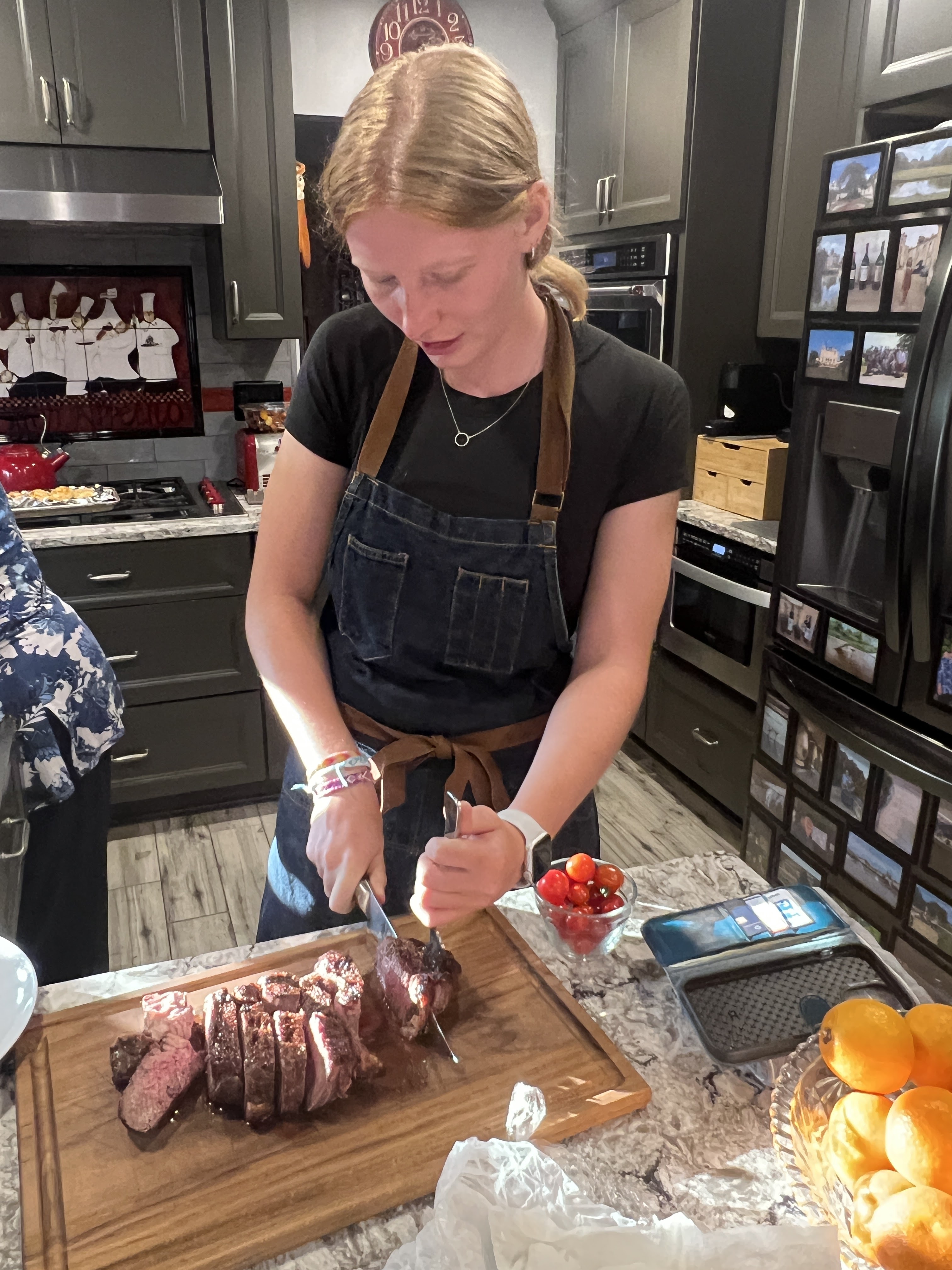
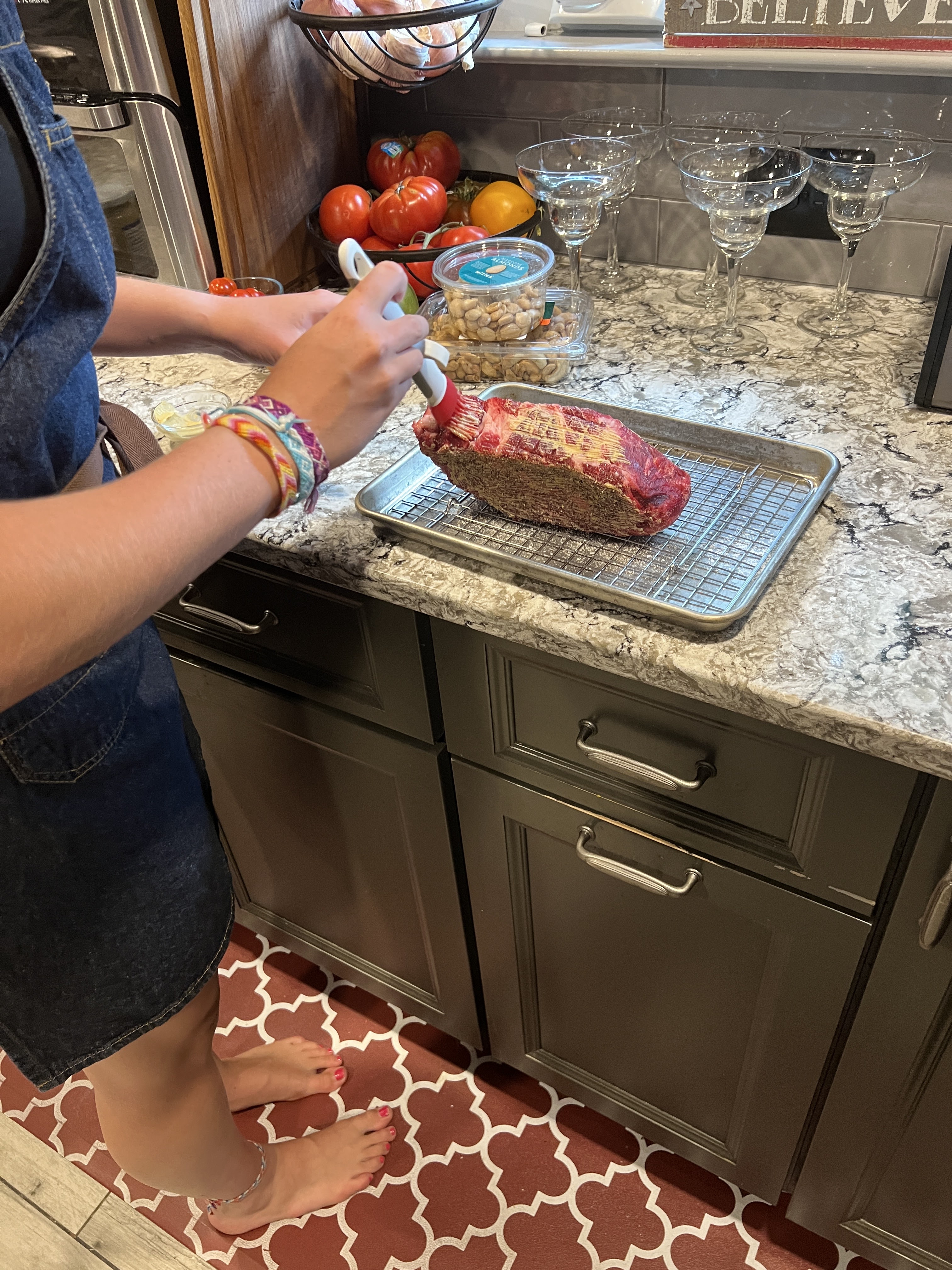
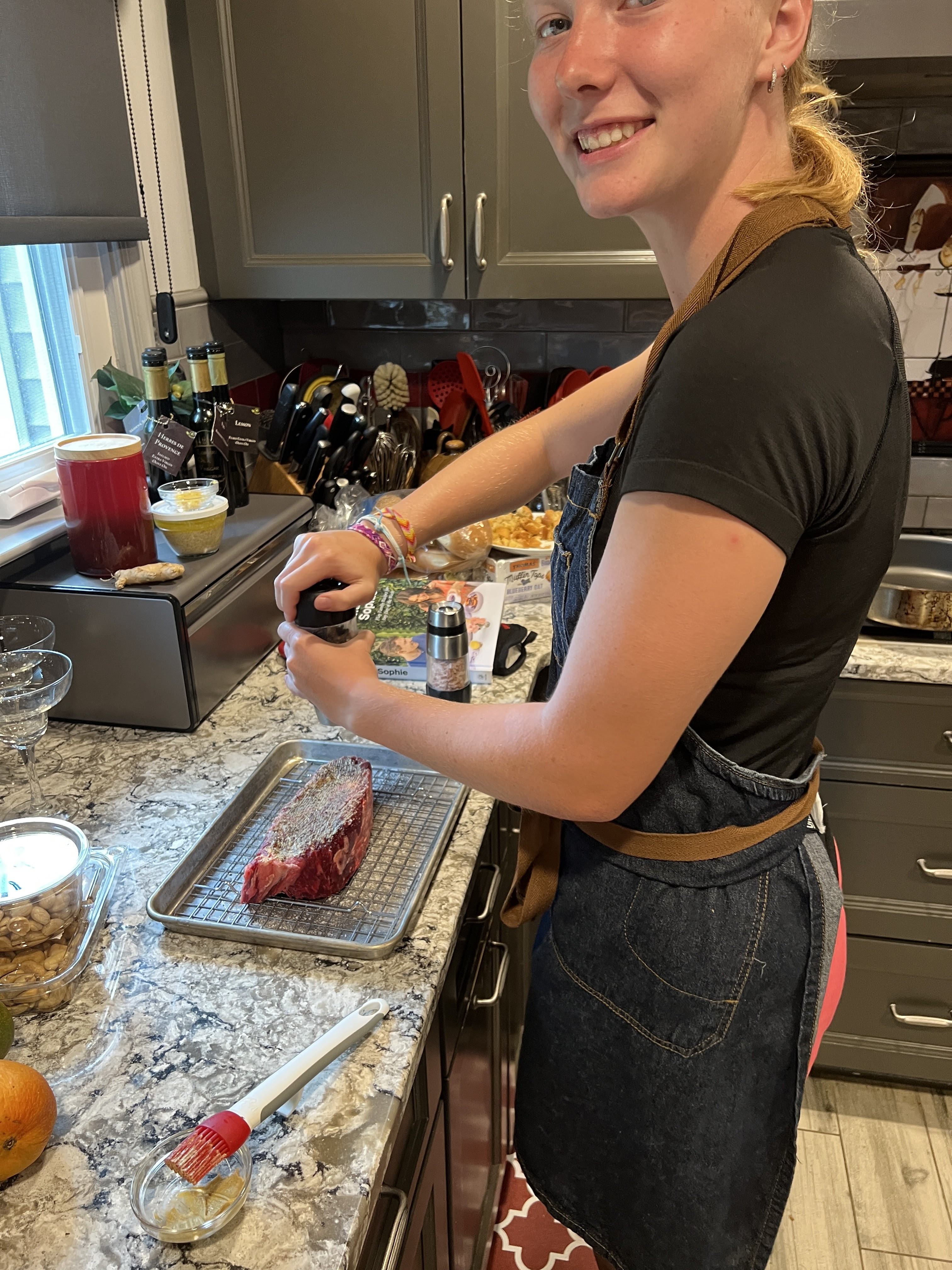
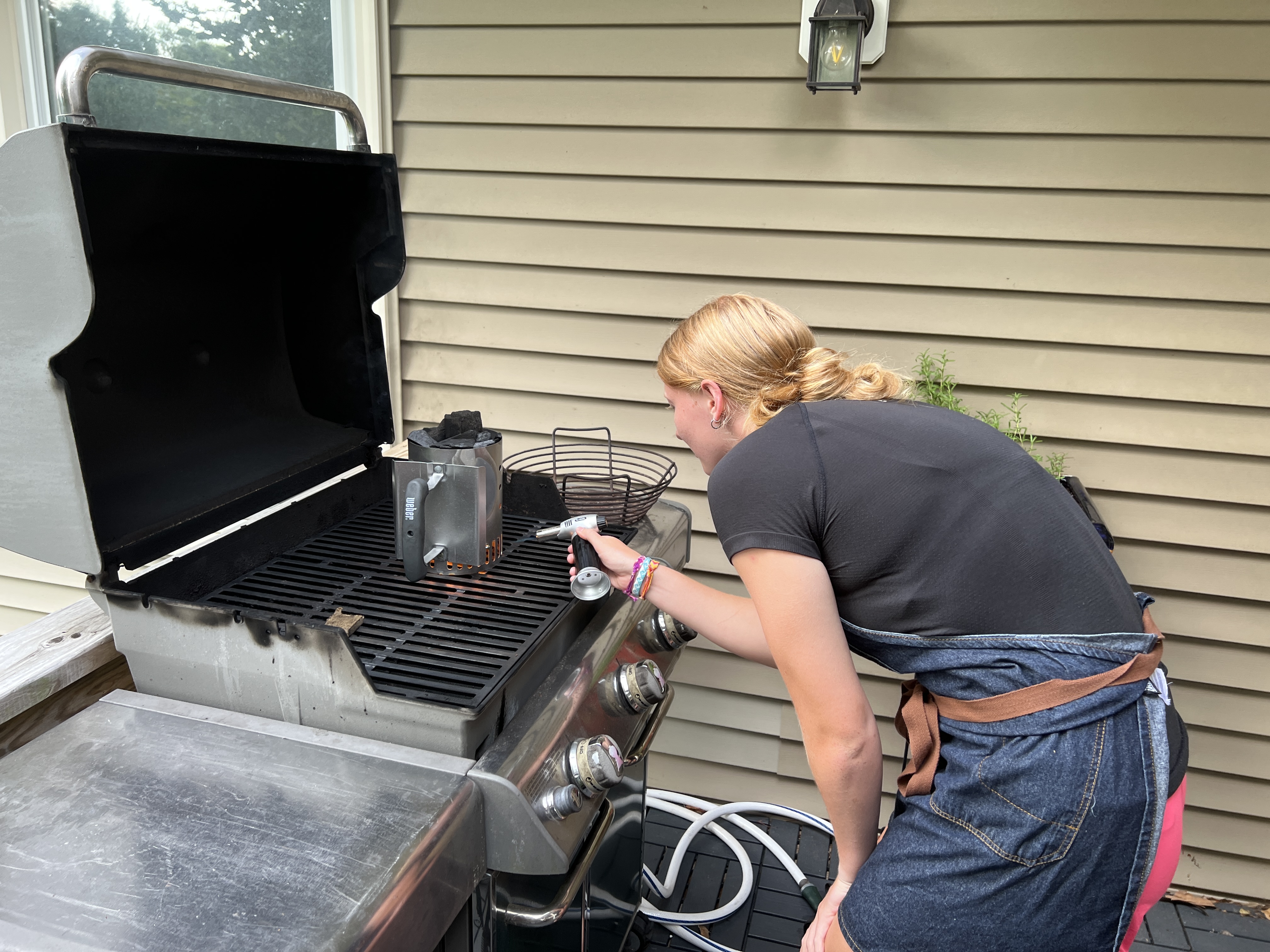
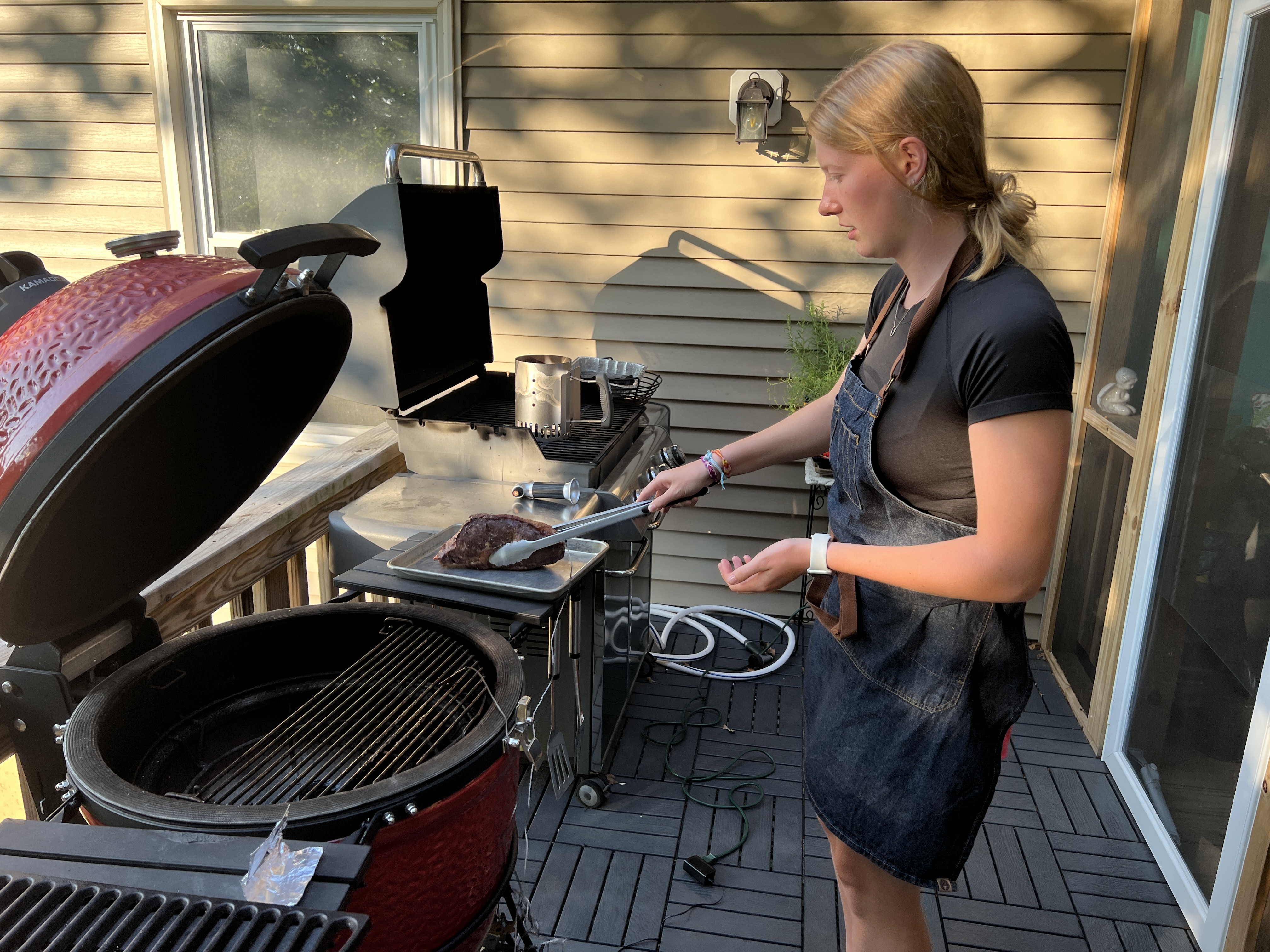
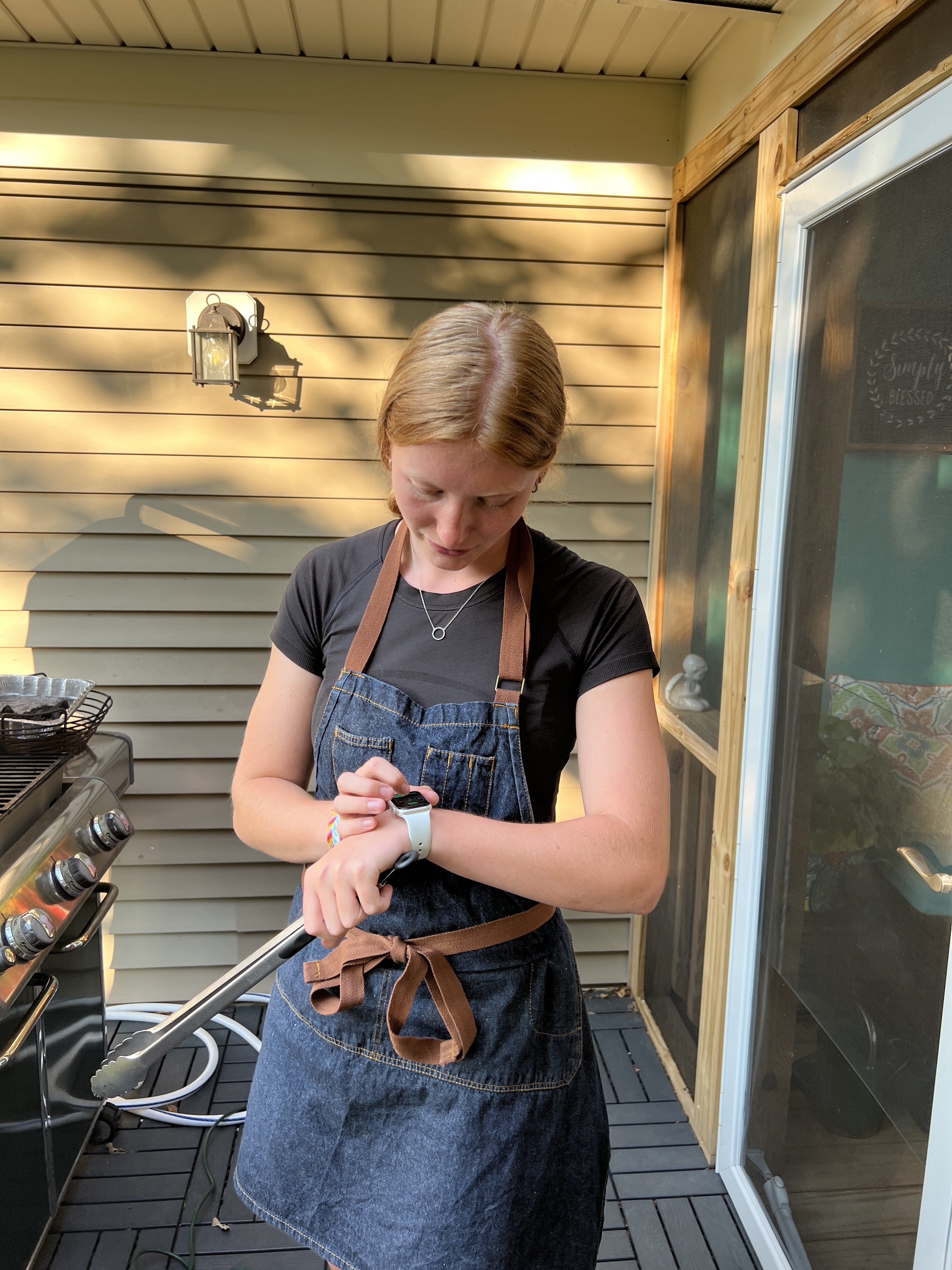
Our 17 year old granddaughter Samantha (Sami) Stewart is spending a couple of days with us and last night she made a delicious reverse sear steak for us. She had not done this before, and I provided some coaching but only Sami touched the steak from the time it came out of the refrigerator until it was served to us at the table. The pictures below show Sami at each stage of the cooking process.
I had a local butcher cut me a 2″ thick boneless ribeye on Monday and did two days of dry aging before we had it on Wednesday. I talked about a simple approach to doing a couple of days of dry aging in one of my other blogs and you can find out about that process at: https://billwinetravelfood.com/2023/05/06/dry-aged-reverse-sear-tomahawk-steak/.
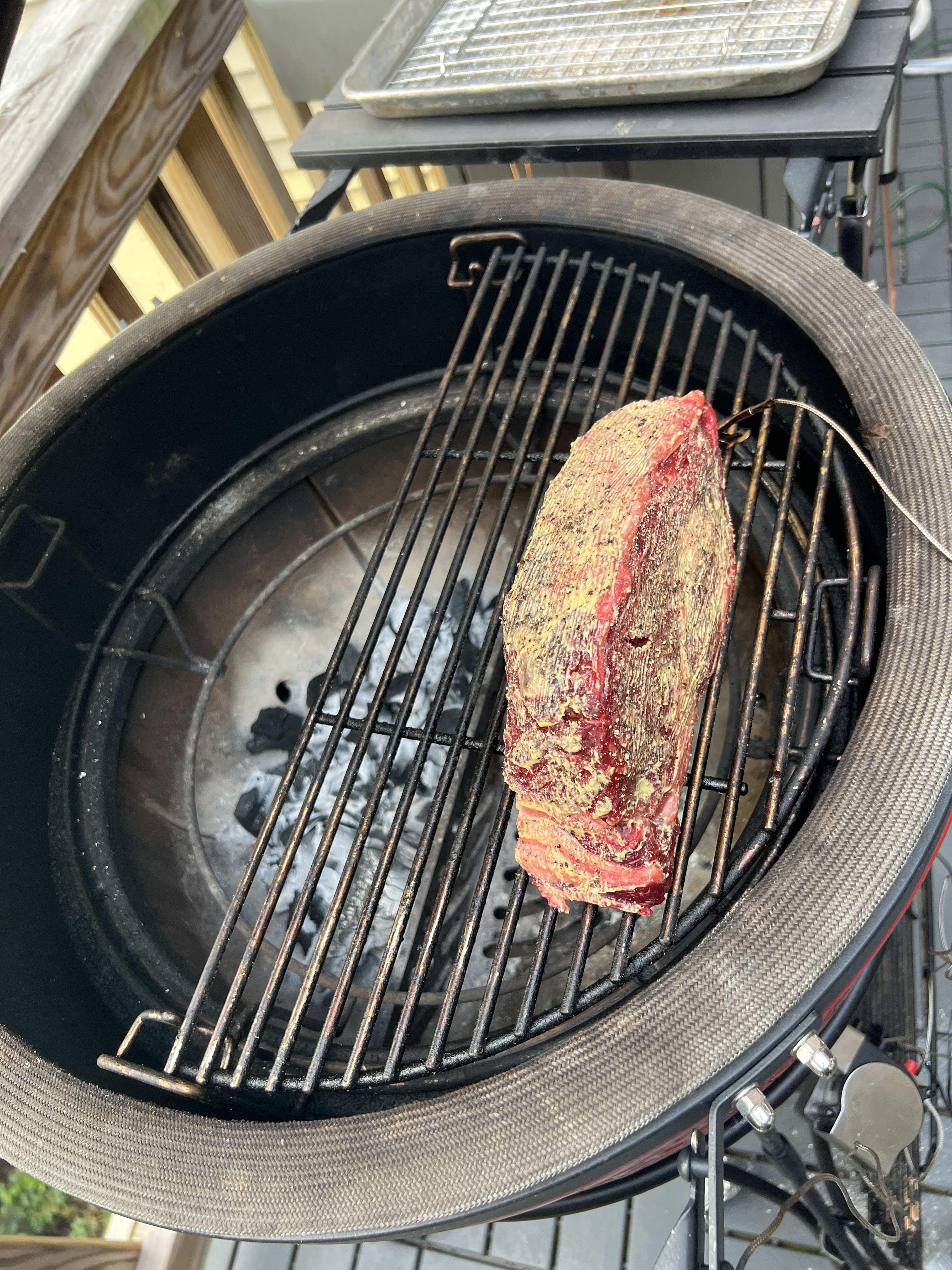
An hour before Sami put the steak on the grill to start the tempering process I brought it out of the refrigerator to come up to room temperature. Sami painted each side with a thin coat of Dijon Mustard and then ground salt and pepper on it for the cooking. Because the steak was so thick it had stood on its side for the dry aging and Sami covered all the sides with the thin coat of mustard and then the salt and pepper as shown in these two pictures. That took about 15 minutes to complete.
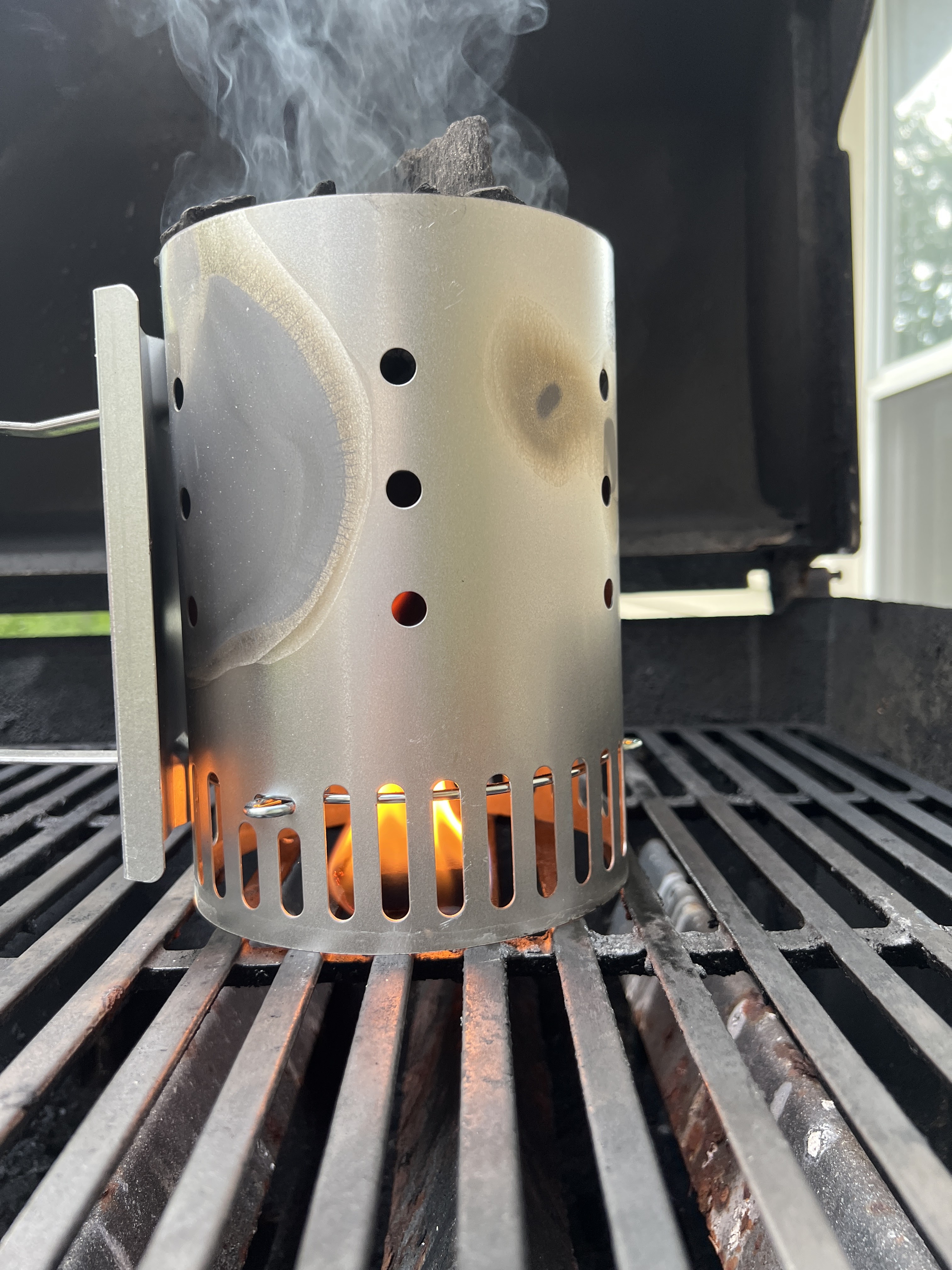
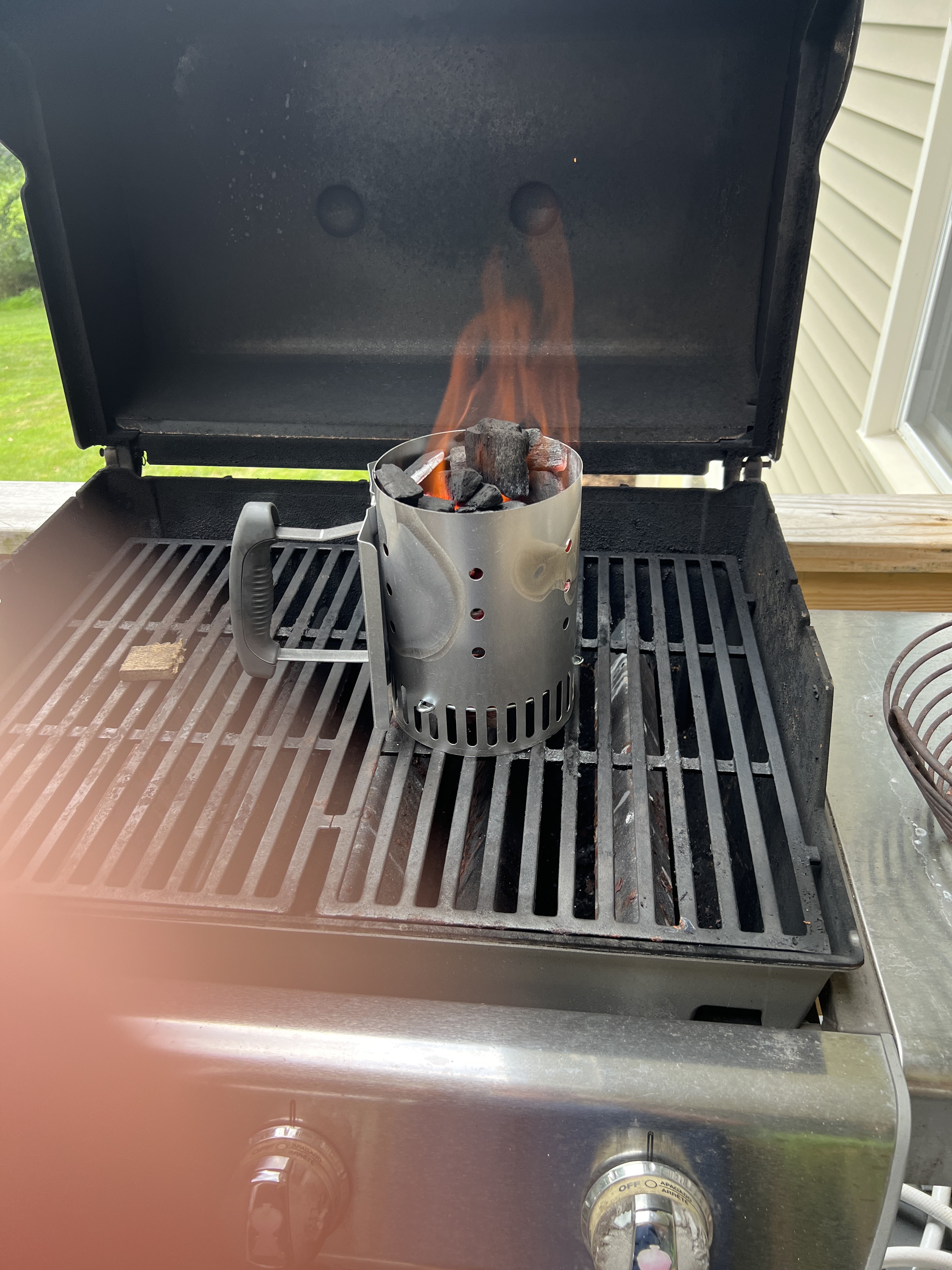
Sami then went out and used the butane torch to light the starter to ignite the lumps of hardwood charcoal in the chimney starter and had them burning bright in just 10 minutes. I use the Fogo All Natural Premium Hardwood Lump Charcoal that I buy in the 35 lb. bag.
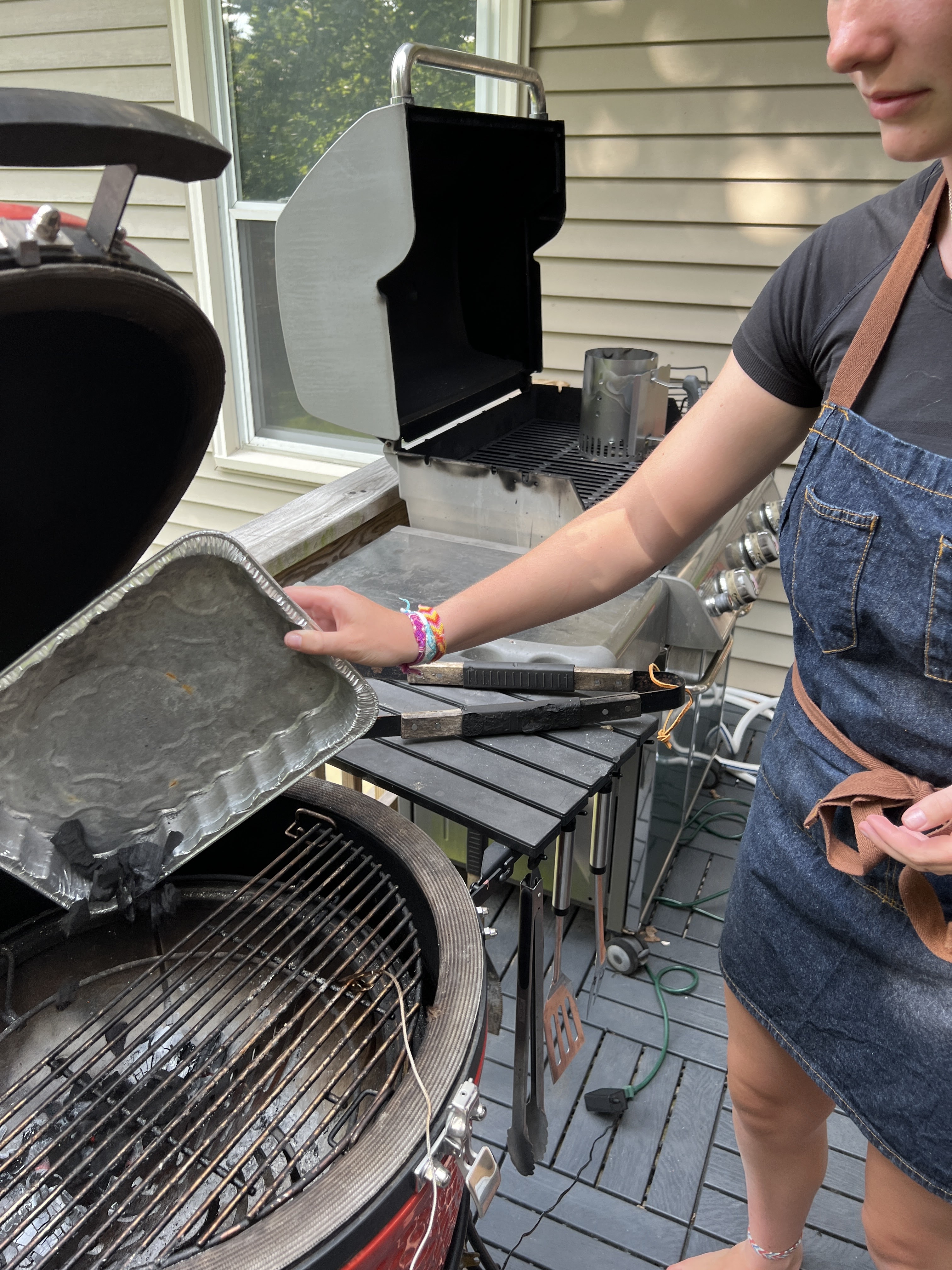
The Kamado grill was set up with the fire box divided in half. She then poured the burning charcoal in the back half and topped it off with a pan of small lumps that lit quickly from the hot fire and brought the grill temperature up to 375° so the ceramic was ice and hot. She closed the Kamado and the Flame Boss 400 WiFi Controller and the sensor for the pit temperature was then put in place set to a cooking temperature of 225° and the top vent closed 90%. In about 30 minutes the cooking temperature was at 225° for the tempering. The Meat sensor was inserted into the steak an Sami stood the steak up on the rack set in the highest position over the portion of the fire box with no coals and the meat temperature sensor was right next to keeping the cooking temperature where the steak was at the target of 225°.
When the internal temperature of the meat read 90°, Sami lit another starter over a chimney of small lumps. She wanted to get the cooking temperature up to over 600 degrees as quickly as possible for the Reverse Sear process. The controller was reset for a cooking temp of 450°, the highest it can go to and that go the fan at 100% to get the coals already in the grill back to red hot.
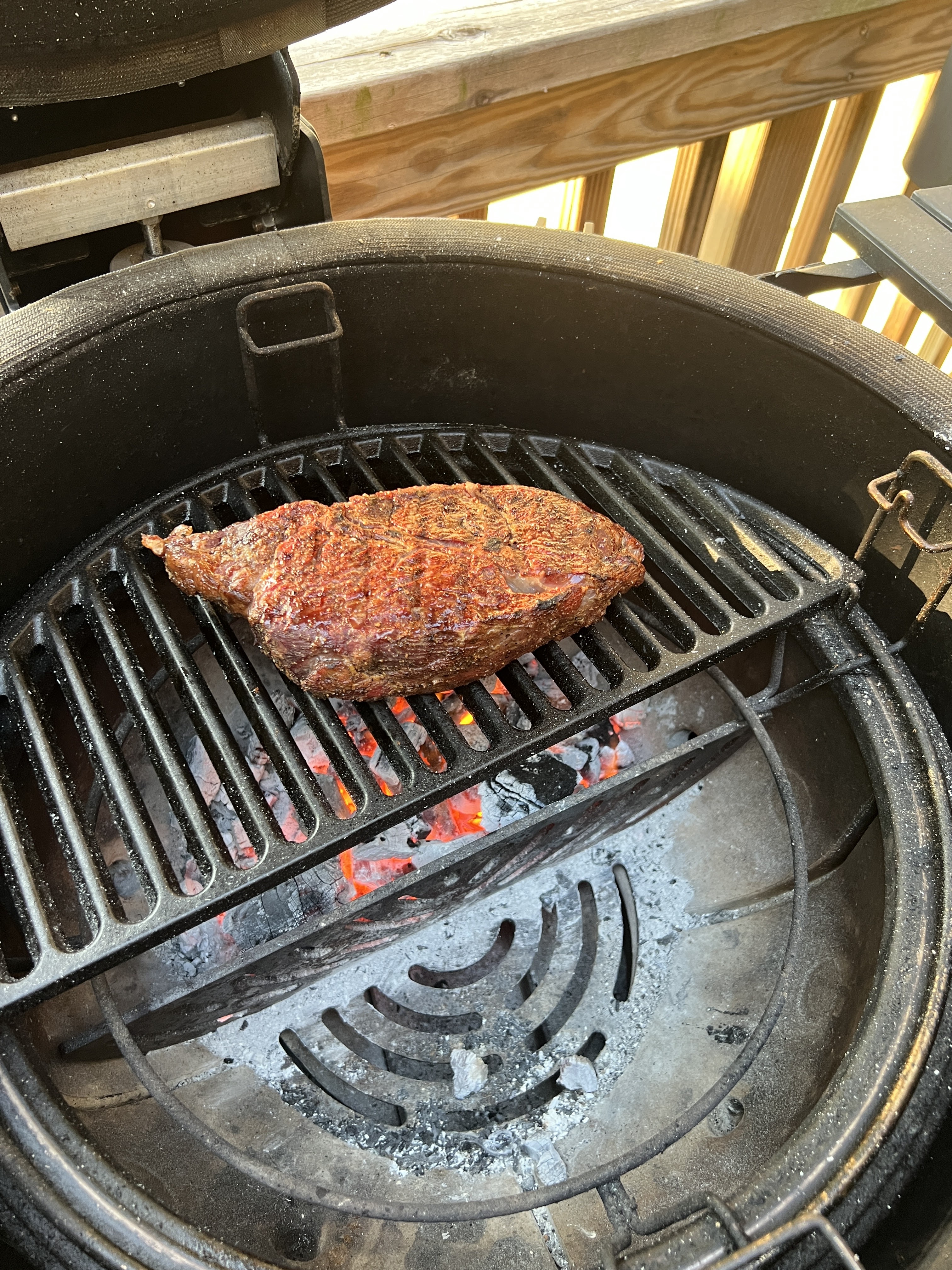
When the internal temp of the steak was 105°, about an hour after it had been put on to temper, Sami pulled it off onto a pan, added the flaming coals from the chimney to the coals in the grill, and put the heavy steel grate on in the lowest position right over the hot coals. She then closed the Kamado, took off the Controller and opened the lower vent all the way and opened the top vent all the way. In about 5 minutes she had a red-hot fire with visible flames ready to sear the steak.
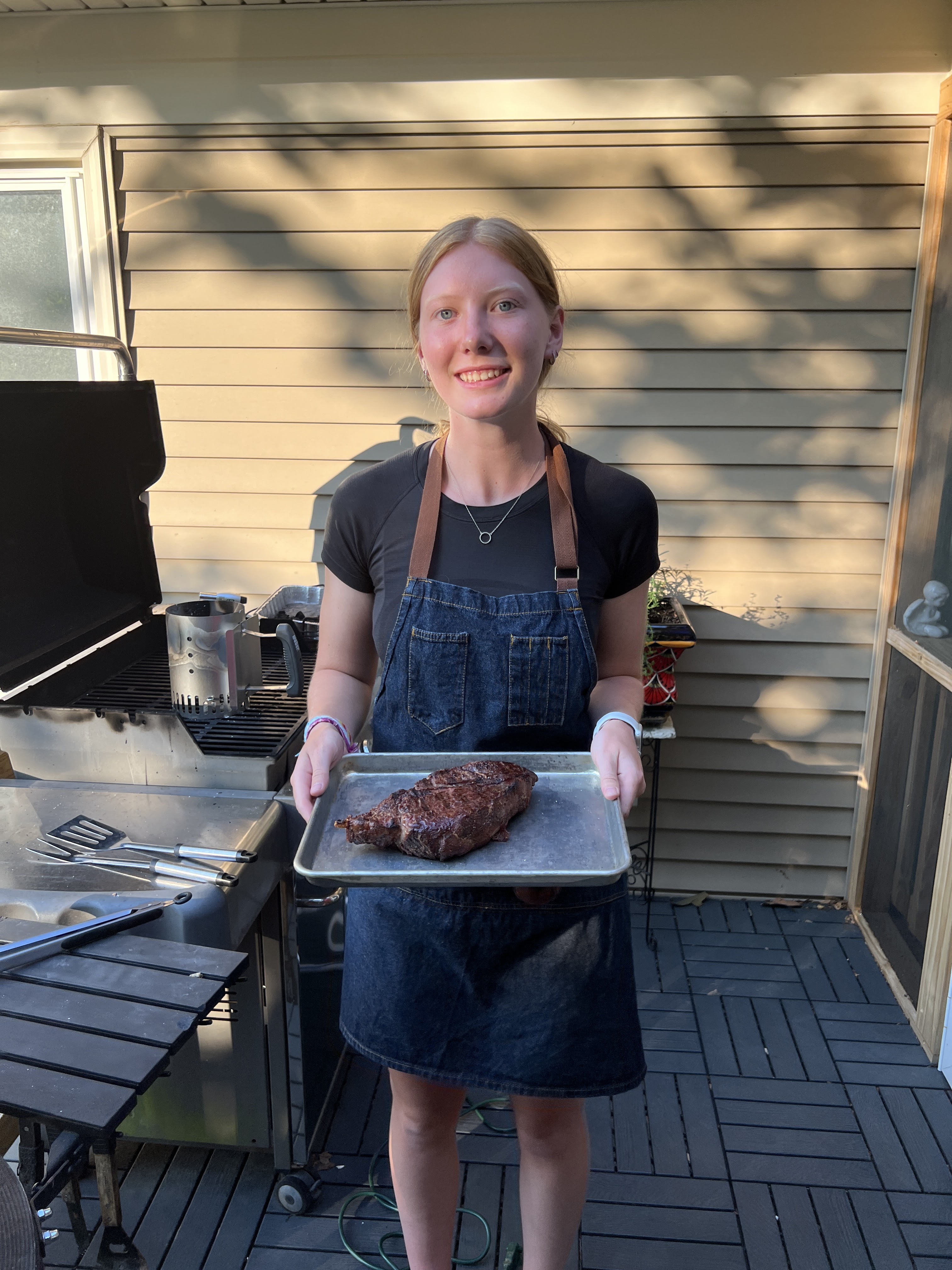
She put the steak on for 3 minutes and then flipped it and used an instant read digital thermometer to check the internal temp. We wanted the steak to be 130° for Medium Rare. After 3 minutes on the other side, she flipped the steak back to the original side down for another minute and flipped it again. In 30 seconds the internal temp hit 130° and she took the steak off the grill. You can see the proud smile as she took the steak with a great bark on it into the sliced and served.
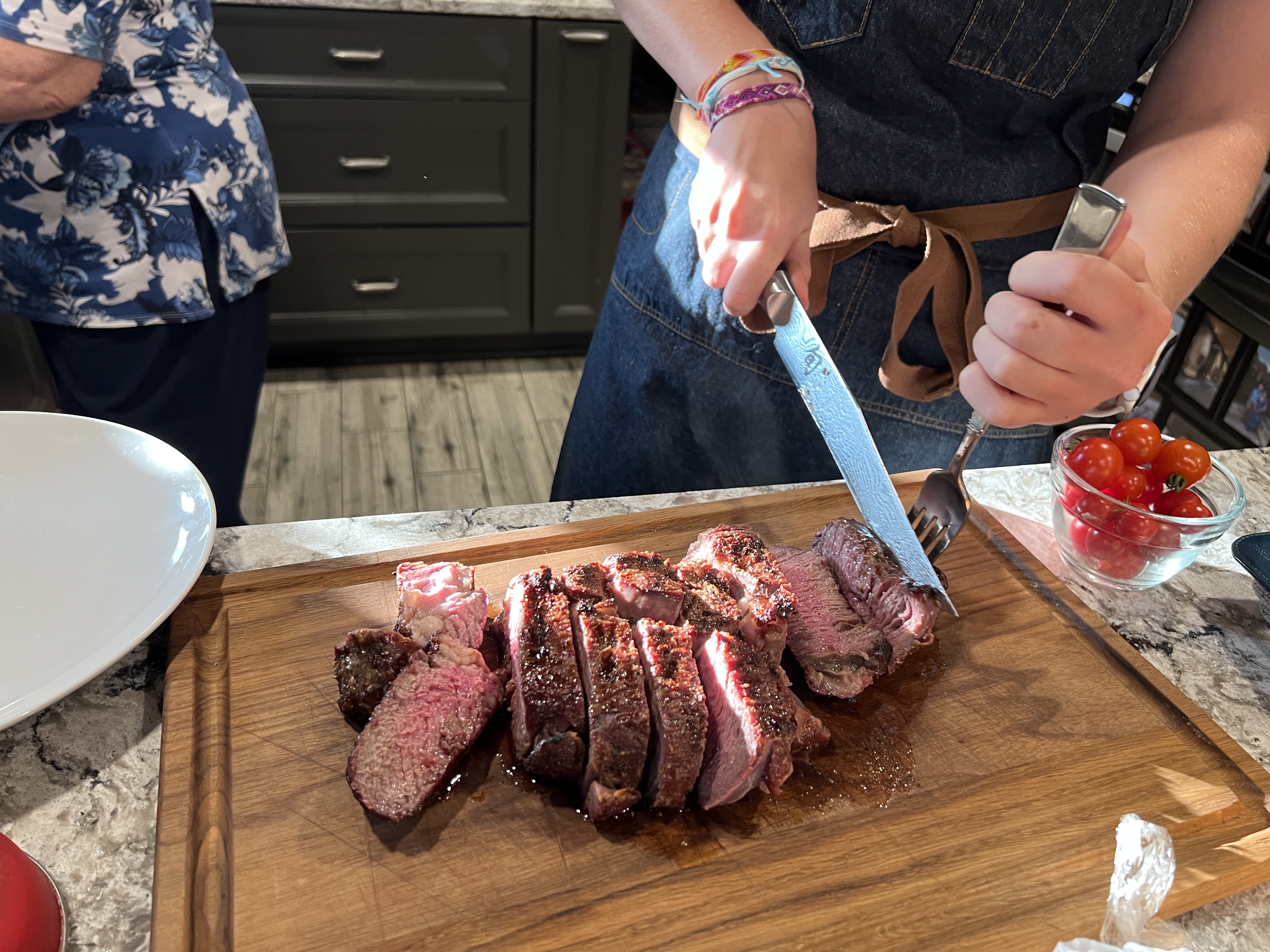
Sami sliced the steak into slices about ½” thick and as you can see in the picture, it was perfectly medium rare. She then assembled the pieces on the serving platter back to look like a whole steak and brought it to the table for us to enjoy. Beth had made a twice baked stuffed potato and a delicious salad to go with the steak and the last picture is Sami taking a bite of the delicious steak she cooked for us.
In my recent post of Bordeaux 2nd Wines I said I would cover some other Bordeaux wines that I thought were very good quality at a very good price. This post is on Chateau Mauvesin Barton which I think is the clear favorite for a Bordeaux Best Buy. About a year ago at a family gathering I did a tasting of four different Bordeaux wines that were under $30 and the Mauvesin Barton was the clear winner.
Chateau Mauvesin was purchased by the Barton family in 2011 and they have invested significantly in the eleven years since then to improve the vineyards and the wine making process at that vineyard which had fallen on hard times and was not in very good condition at the time of the sale. This is now the third Bordeaux vineyard owned and operated by the Barton family. The oldest of their vineyards is Leoville Barton which was started in 1722 and was named a 2nd Growth in the famous 1855 classification of the best 60 chateau in Bordeaux. In 1821 the Bartons purchased Chateau Langoa which was across the street from them and renamed it Langoa Barton. It was named a 3rd growth in the 1855 classification.
The regulations on Bordeaux wineries are pretty confusing. The regulation that covers what a Chateau that was in the 1855 classification can do when it purchases another chateau or additional vineyards is straight forward. Leoville Barton is in the St. Julien AOC (Appellation d’Origine Controllée). There are 60 AOC in Bordeaux which provide geographical indications for wines, cheese, and other products. When they bought the Langoa estate, since it was also in St. Julien, they could have put it all under the name Leoville Barton. They chose not to and to keep Langoa Barton a separate entity and that enabled it to get the 3rd growth designation.
What is important here is that If the Barton family bought any other vineyards that were located in the St. Julien AOC, regardless of the quality of that vineyard, they have the right to call the wine made from that newly purchased vineyard Leoville Barton and price it at that level. The Bartons did not do that when they purchased Chateau Langoa two hundred years ago showing they are very committed to having each property stand on its own. In the long term, if the wines being sold under that name become lower in quality because they are including grapes from a low-quality vineyard that was purchased, people would buy less of that wine and the market would drive the price down. But that can take years. Fortunately, the top chateaus are highly sensitive to shipping a product that meets their historical very high quality and would not do that.
Just recently La Tour Carnet, a classified growth, purchased an excellent Cru Bourgeois, Chateau Caronne Ste Gemme. It is expected that Caronne will be incorporated into La Tour Carnet. The Caronne wines have been outstanding so the quality of the La Tour Carnet will not go down. But a really great wine that was available for under $25/bottle will now be part of a wine that sells for over $50/bottle.
Chateau Mauvesin is situated in the “Moulis-en-Médoc” appellation, to the north of Bordeaux, on the left bank of the Gironde estuary. Because it is in a different AOC, it had to be kept as a separate entity. But when the Barton family bought it and made the investments to bring it up to the standards that they want for any wine that carries their name, the result was an excellent wine at a very attractive price. This wine typically sells for under $30, and on sale it can be under $25. I found vintages back to 2015 available on line that were all under $30. I did not find any 2017 and some of the wine critics have said that was their best vintage so it appears to have pretty much sold out. The 2020 Langoa Barton sells for about $45 and the Leoville Barton sells for about $90. Both totally sell out at those prices and are excellent wines. But I just got a case of the 2020 for $22 a bottle and I have not found any Bordeaux close to that price that is as good as the Chateau Mauvesin.
Terroir
Part of the soil is clay-gravel, perfectly adapted for the development of Cabernet-Franc and Merlot. Another part is made up of fine gravel and gritty sand, allowing the Cabernet Sauvignon to reach full ripeness. The 48 hectare is currently planted with 45% Cabernet Sauvignon, 40% Merlot, 10% Cabernet Franc and 5% Petit Verdot. As mentioned above, the vines were in very poor shape when the estate was purchased. Between the time needed to get the different plots back to the standard that the Barton family has for their vines and the geographic variances that impact each harvest, the blend of Mauvesin Barton has varied considerably as shown in the table below.
Year
Cabernet Sauvignon
Merlot
Cabernet Franc
Petit Verdot
2105
38%
42%
16%
4%
2016
28%
47%
18%
7%
2017
40%
54%
6%
2018
40%
54%
6%
2019
27%
64%
9%
2020
59%
38%
6%
2021
52%
48%
Current acreage
45%
40%
10%
5%
Grape Blend by Year
Even though this is a Left Bank wine, from the 2015 to the 2019 vintage it had a higher percentage of Merlot than Cabernet Sauvignon, with a peak of 64% Merlot in the 2019 wine. While 5% of their acreage is Petit Verdot, the last 5 vintages have not used any juice from those grapes and the percentage of Cabernet Franc also appears to be decreasing. Doing a vertical tasting with these different percentages could be very interesting.
Vinification
During harvest time at Château Mauvesin Barton, the selected hand harvested grapes are brought into the vinification cellar, shown in the picture, for the fermentation and maceration phase. It comprises 24 temperature-controlled stainless-steel vats of different volumes. This means each plot can be vinified separately, allowing greater freedom and precision when choices are made for blending. This vat room has also been equipped with an upper floor to enable reception and manipulation of the harvest by gravity, something all the Barton estates do to improve quality. The alcoholic fermentation lasts from 7 to 10 days.
The next stage is maceration of the juice with the grape skins for about 3 weeks. When the maceration is finished, the wine is filtered out from the skins and transferred to French oak barrels for the ageing process: one third in new barrels made by three different cooperages, one third in barrels having already aged one vintage, and one third in used barrels coming from Château Léoville Barton.
The barrel ageing lasts between 12 and 15 months. The barrels are placed in the two ageing cellars at Château Mauvesin Barton. The first cellar is the result of the restoration of the previous vat room, now a spacious area made of stone and wood. The second ageing cellar, shown in the picture, was constructed on the site of the historic cellar and is around 50 meters long, allowing it to house up to 500 barrels on a bed of gravel designed to regulate humidity.
Tasting Notes
The 2020 vintage is now in the stores. It was bottled in 2019 after the barrel aging process discussed above. The shipping process generally adds about another year, so the 2020 wine that rectntly hit the shelves is approaching three years of age. Because that wine has recently gone through transit in trucks and ships, I would give it at least a month resting in the cellar before opening it and I plan to leave the case I just bought unopened until October of 2024. At 3 years you can drink it and decanting it for a couple of hours is recommended to let it open. It really starts to show its full character after 5 years. Last night I had a bottle of the 2018 that I opened at 2:30 and left standing in my wine fridge. At 6:30 I decanted it and let it sit on the counter for 45 minutes to get up to 60° F. At that temperature and with that time to breathe, it was fantastic. The Chateau Mauvesin Barton web site calls out that the wine should be served at 60and if you serve it at room temperature, you will lose a great deal of its character. These wines will keep for at least 10 years. I am willing to take bets that in 2030 the case that I just purchased will be gone and have left some happy memories.
Tasting notes from the web site for two recent vintages for those of you who really like the details on different aromas and tastes. One of the reasons we really like this wine is integrated delicate tannins and long lovely finish.
2020 – Bright ruby color. Nose revealing notes of wild strawberries, toasted bread with a hint of delicate vanilla. The wine is harmonious and well balanced. The tannins are already well integrated, the wine is supple and leaves a nice finish in the mouth.
2018 – Ruby color, nose of toasted hazelnut and red fruits (cherry, blueberry). Delicate tannins. Wine with balance and finesse. Fresh, almost minty finish. Nice length and drinkability.
If you plan to visit Bordeaux, Chateau Mauvesin Barton welcomes visitors and offers a Discovery Tour and a Barrel Tasting Tour, each an hour long. The First Growth chateaus are overwhelmed with visitor requests and almost impossible to get into. There are many tour options where they have established relationships at different chateaus and you can see which ones they will take you to and the price for their tour. If you want to do it yourself, I do recommend visiting this chateau and I strongly recommend that you have a car and driver as the laws for driving under the influence are must stricter and the penalties much more severe in Europe.
I will be doing some other posts on other chateaus that are owned by a classified growth chateau and have wines that I think are great quality and best buy prices. Chateau Mauvesin Barton is first on my list of these wines, so I used them in my first post on these vineyards.
You must be logged in to post a comment.