New Date for the virtual Pinot Noir tasting is Wednesday May 11.
I have gotten some feedback that the wine selection originally suggested added up to a significant cost so I have changed it to a selection that is jut a little over $100 total. The approach will be to compare Pinot Noirs in the same price range from the four regions that are the top producers of Pinot Noir wine. We will start with a basic Pinot Noir Table Wine from Oregon and cover some Pinot Noir fundamentals while we sip that wine. We will then move to a California Pinot Noir from the Russian River area, the first of four wines in the $20-30 range so it should be an apples-to-apples comparison. We will then move up the coast to the Oregon Willamette Valley for one of the excellent Pinots they are producing. The next wine will be from New Zealand. For the final wine we will go back to France and taste a Burgundian Pinot Noir.
This is not intended as any kind of blind tasting or contest and we will not be scoring the wines. Each of the four regions has built a strong reputation for excellent Pinot Noir with lots of followers. Trying well regarded wines from each and comparing the tastes should be interesting. I will suggest that you use multiple glasses so you can go back and forth to compare tastes. Depending on how many people are participating I plan to leave some time for participants to provide some thoughts on each of the wines.
The biggest challenge in putting this together was picking just 5 wines to taste. I am sure many of you would have picked some different wines that are at least equally as good as the ones that I selected. I will be providing a list of other Pinot Noirs that I enjoy from each of the four regions and at some different price points while we enjoy the last wine from Burgundy. These recommendations are my opinion only. I am not licensed to sell wine and do not have any agreements with any vineyards to endorse their products. The goal is an enjoyable and educational evening.
The only cost to you is going out and purchasing the wines for the tasting. Details on the tasting and the specific wines, including suggested source, are below.
Castle Rock Willamette Valley Pinot Noir – $12-15. Castle Rock makes a number of Pinot Noir wines – be sure to get the one from Willamette Valley. Out of stock at Wine.com at the time of this writing but usually carried so check their web site. Total Wine carries this wine for $15 and you can have them ship it to you from their web site. Calvert Woodley in DC has it for $13. You can have it shipped to you from Saratogawine.com at a price of $12, http://www.saratofawine.com/Castle-Rock-Pinot-Noir-Willamette-Valley-2020-750ml.html.
If you are interested in joining this virtual tasting, please email me so I can send you the Zoom calendar invite. If you don’t have my email address, you can reach me at bill@billwinetravelfood.com. If you would like more information on this or have a question, please respond in Comments and I will get back to you. It would be interesting to know the number of people that you are planning on having at your location so I can assess the total level of interest if you want to include that in your email to me.
A few days ago a used my Carbon Steel pan to make a delicious sauce for dinner. One of the main ingredients in that sauce was four fresh tomatoes that had been peeled and cut into large chunks. While they were cooking in the sauce, I used the spatula to crush them in the pan and the sauce simmered for about 45 minutes. When I took up the sauce I saw that the acid from the tomatoes had played havoc with the seasoning in the pan. Who recently put in a Blog Post not to use cast iron or carbon steel for acid dishes like tomatoes?
I should have taken a picture of how bad that pan looked but once I got over my immediate reaction to throw it out and buy another, I moved into restoring the seasoning and did not think about pictures. I used the seasoning for a new pan technique that was in the post and that gave it a good start towards recovery. Last night I used that fry pan to make a Carbonara sauce where I simmered pancetta in olive oil as the first step. After dinner I rinsed out the pan with a little water and put it over a burner for a few minutes on each side to thoroughly dry it. While it was hot I used a paper towel to rub some of the MadeIn Seasoning Wax all over the surface. The smoke off the pan told me I was getting polymerization that was restoring the seasoning. Those two actions have it back to about 90% of where it was before I screwed up. Another couple of cooking sessions will have it fully recovered.
i really should pay more attention to my own posts!
The tomato sauce was outstanding and I will do a post on it. I put a swath on the plate and nestled some baked Alaskan Halibut in it and the combination was delicious. Beth and I agreed that sauce would be great with other fishes, chicken, and lots of other proteins. The Carbonara also won very high praise from Beth as the best Carbonara that has been served in our house and that deserves a post as well.
I promise not to screw up the Pinot Noir Tasting if there is interest in my doing that.
New Date: Week of May 9, either May 11 or 12. Let me know if you have a strong preference for either of those dates.
I have gotten some feedback that the wine selection adds up to a significant cost. Would there be more interest in a selection that was jut a little over $100 total? We could start with a nice table wine from Oregon to cover the basics and then exploring wines the $18-25 range from each of the four regions. Would that be preferable to the top quality but expensive wines that I suggest below? I do have a list of 30 different Pinot Noirs at different price points that I close the tasting with.
In a few weeks I am leading a virtual Pinot Noir tasting for the wine club at the company that I recently retired from. I am looking to see if there is interest f in my scheduling another one for the people following this blog at the end of April.
The only cost to you is going out and purchasing the wines for the tasting. Details on the tasting and the specific wines, including suggested source, is below. If there is sufficient interest, I am tentatively looking at having a 90 minute Zoom meeting on Thursday April 28 starting at 6:00 PM Eastern. If anyone is very interested but cannot make that date, suggest an alternative and I will factor that into consideration.
You can respond in one of two ways. My preference would be to email me at bill@billwinetravelfood.com so I have your email address to send the calendar invite. You can also respond in Comments that your are interested. If the interest is there, I will do a post with the Zoom address and hope all interested parties see that post. I am a little nervous about putting a meeting address in a post that the world can see and would prefer sending it to an email list. All parties on that list would be in the BCC line so no one else will see your email address and you have my commitment that i will only send the meeting invite to that address unless you invite me to correspond with you using that address. Please let me know the number of people that you are planning on having at your location whichever mode of response you choose so I can assess the total level of interest.
I am asking that if you respond that you are interested that you please make every effort to attend. If 30 people respond with interest but only 3 show up that evening, that would be very disappointing. If this is not the kind of activity that followers of this blog are interested in, that will be good to know and I will focus the wind blogs in other areas.
Wine Tasting Details
The approach will be to compare highly rated Pinot Noirs from the four regions that are the top producers of Pinot Noir wine. We will start with a basic wine from the Provence region of France and cover some Pinot Noir fundamentals while we sip that wine. We will then move to a California Pinot Noir from the Russian River area, the first of four wines in the $50-60 range so it should be an apples to apples comparison. We will then move up the coast to the Oregon Willamette Valley for one of the excellent Pinots they are producing. The next wine will be from New Zealand. For the final wine we will go back to France and taste a Premier Cru from Burgundy.
This is not intended as any kind of blind tasting or contest and we will not be scoring the wines. Each of the four regions has built a strong reputation for excellent Pinot Noir with lots of followers. Trying highly regarded wines from each and comparing the tastes should be interesting. I will suggest that you use multiple glasses so you can go back and compare tastes. Depending on how many people are participating I plan to leave some time for participants to provide some thoughts on each of the wines.
The biggest challenge in putting this together was picking just 5 wines to taste. I am sure many of you would have picked some different wines that are at least equally as good as the ones that I selected. I will be providing a list of other Pinot Noirs that I enjoy from each of the 4 regions and at some different price points while we enjoy the Premier Cru Burgundy. These recommendations are my opinion only. I am not licensed to sell wine and do not have any agreements with any vineyards to endorse their products. The goal is an enjoyable and educational evening.
Wines for the Tasting
Louis Latour Domaine de Valmoissine Pinot Noir 2019. Available from Wine.com for $17.
Francis Coppola Reserve Pinot Noir. Available from the Coppola web site for $50. Coppola makes a number of different Pinot Noirs with very different tastes. Please try to get the Reserve Pinot Noir, which is my favorite from them, for this tasting.
As an option you can also order a package of Maker’s Reserve Cheddar Cheeses from Tillamook that are an excellent companion to these wines. Below is their web site for Maker’s Reserve Flight 2.0, four really great cheeses for $40. I encourage people to get this bundle of cheeses and possibly add some charcuterie. Trader Joe’s has a two great packages, Italy and Spain, or just get some from the deli counter.
I look forward to hearing how much interest there is in doing this virtual wine tasting. Members of the WTF Club that are both followers of this blog as well as club members are welcome to attend both but it will be pretty much the same each time.
Congratulations to my youngest daughter, Clare Davis, on being accepted in the Master of Arts in Teaching at Mt. Saint Mary’s University. you will be a wonderful teacher.
Many of us have put off traveling, especially vacation traveling to other countries, for several years because of the Pandemic and now are making travel plans to go to some exciting places. Those plans should include recognizing that street crime like pickpockets and purse snatchers has always been a problem in areas where there are a lot of tourists visiting. We have been good targets! And the lack of tourists in the last few years has made those doing street crime even more desperate to find targets that they can take advantage of, particularly in Europe. However, with some good planning we can significantly decrease how good a target we are and reduce the risk that we will be a victim of street crime and this blog is some suggestions for you on how to do that.
I am asking that we make this topic a dialogue, not just a blog from Bill. My wife Beth is helping me on this and has authored the section below on the female perspective on lowering risk. If any of you have additional inputs on ways to make it difficult for pickpockets and purse snatchers to get your valuables, stories you have heard or been part of regarding street crime, or scams to be on the lookout for, please share them. You can add comments to this post or you can email me any thoughts you have on this topic at bill@billwinefoodtravel.com. I will take those additional inputs and do either an update or a 2nd blog on this topic with any additional ideas that might help us all. If you disagree with any of our suggestions, please let us know. We are very interested in any ideas that can make things safer for us when we travel. Please share anything that can help all of us enjoy historic sites instead of talking to police officers in another country or trying to replace cash, credit cards, and passports in a foreign city.
The focus here is on street crime, not more serious forms of crime. If someone threatens you with a weapon and demands any valuables that you have, our only suggestion is to do exactly what they want so you can walk away and replace what was taken. The focus here is on how you can become much less interesting to people looking to pick your pocket, take your purse or camera or phone, or steal your luggage. In this post I will talk about the topics below:
Most common forms of street crime
Some common scams that you should be aware of so you are not distracted and become a much easier target
Some things that all of us can and should do to make ourselves less of a target and reduce the loss if we are targeted
Some things that men should do related to the clothes they wear that will make them much less of a target
Some things that women should do regarding the purses that they carry that will make them much less of a target
Common Forms of Street Crime
The people committing street crime look for ways that you will not be able to catch or identify them and, where possible, you don’t even know that you were a victim until they are well away from you. Picking someone’s pocket may be one of the oldest criminal activities in record history with men the most common targets. We have more pockets, and we generally keep most if not all of the valuables we are carrying in those pockets, so thieves are looking to remove those things from our pockets without our noticing they are doing it. One of the ways that they do that is work with a partner who distracts us while our pockets are being emptied. Because we are men, one of the most effective distractions is a very attractive young woman dressed to show us how attractive they are.
The corresponding threat to women is purse snatching because that is where women keep their valuables. Sometimes in a jostling crowd, they use a razor or sharp knife to slit open a purse and pull out the contents while the purse owner is distracted by the contact with the crowd, several of which are probably their partners in crime. More commonly the purse snatcher uses a grab and go strategy of pulling the bag off the woman’s shoulder and getting away quickly. Sometimes that is running away to alleys and buildings they know where you will not be able to follow them. Increasingly they are using faster forms of transportation like motorcycles, motor scooters, and bicycles. A couple of 12 year olds on bikes may not look like much of a threat but they can be trained gang members who will ride quickly by you, grab the purse off your shoulder, and speed away out of sight quickly. Beth will cover a few things in her suggestions section that will make them much less interested you as a target.
We have heard stories of people driving cars with the windows down and arms outside the window stopped at a light or driving slowly in city traffic having expensive watches pulled off their wrists or smart phones grabbed out of their hands. If you have a very nice SLR camera and lean out of your car window to take a great picture, you are at risk of that camera being taken out of your hands. I strongly suggest not putting anything outside your car windows, especially if you are in stop and go traffic.
Your luggage is also an attractive target. You need to be close to your luggage at all times when you are traveling and not move away from it to hail a cab or unload it into a hotel lobby. More on this under Scams below.
Scams To Be On The Lookout For
One very common scam is dropped coins. We heard from friends who were checking into a hotel in London that a very attractive women walked through the lobby and right in front of them she dropped a handful of coins on the floor. When she bent down to pick them up, her blouse provided a very interesting view. Being gentlemen, the people checking in bent down to help her retrieve her coins. When they stood up they saw a car driving away from the front of the hotel and their luggage was no where to be seen. Of course, the women who dropped the coins knew nothing about their luggage being stolen.
Having heard that story I was immediately on alert when Beth and I were getting on a subway in Barcelona at rush hour. The person ahead of me dropped a handful of coins just as he started into the subway car. When he dropped down to pick the coins up he was blocking anyone from getting onto the train. The people behind us were pushing up against us to get on and I immediately suspected that several of them were picking pockets in the crush of the crowd they had created. My wallet was in my front pocket of my slacks and I put my hand down in that pocket over the wallet until we were safely in the train. I checked and Beth was following all the suggestions she makes below so no one could grab her purse and disappear into the crowd. If you are in any tourist location and someone drops some coins, it was not an accident, even if they are a lovely woman or a 10 year old child. Everyone in the vicinity of where those coins were dropped is a target and you need to be very defensive.
Another version of this scam is someone falling down and making loud noises like they are about to throw up. This is again a distraction so you are not thinking about possible threats and creating crowd situations where there are multiple people in contact with you, one of which could be in your pockets and others looking to grab a purse and get away while you are blocked in and not able to move. The minute you see any situation like that look to distance yourself from the other people in the area and be on high alert.
Reducing Your Target Profile – Everyone
There are some pretty simple things that all of us can do that will significantly reduce the risk we face from street crime.
Five pocket pants, slacks, and shorts for men and women – Pants that have a thigh pocket that zippers can significantly cut down on your risks and are available for both men and women. Wallets and other valuables can go in that zippered pocket and because it is right in front of you and down on your thigh, it would be very difficult for anyone to get down that low, open up the zipper, and put their hand next to your thigh without your being aware of it and easily able to push them away. The link below is for the pants shown in the picture as one example.
Cards with RFID chips – most credit cards and some other forms of ID now have chips built into them so it is easier and faster to use them. But with today’s technology someone can be walking towards you on the sidewalk and as they pass by you they have a scanner that reads those chips and they immediately have access to all the information about your credit cards and ID cards that have a chip. All of those cards should be stored in a wallet that is certified to block RFID. The signals from the chips cannot be read until one of those cards is removed from the blocking wallet. The only wallets you should be using today, men and women, are RFID blocking wallets. This is not just when traveling, you should not leave your home without any RFID chips being effectively blocked. If you have an older wallet that for sentimental or fashion reasons you need to use, there are blocking sleeves you can buy from Amazon and other resellers. Put all of the cards you will have in that old wallet in individual sleeves and they will be safe. Yes, it is a pain to pull them out of sleeves and put them back, but any unblocked cards are a significant risk.
Money belts are a very good way to keep valuable things in a place that criminals don’t know you have. I have heard of people having problems going through the security scans at the airport wearing a money belt. Security can be concerned about what you might have in that belt and if anything sets off the magnetic alarm, you need to go under your clothes to that money belt and pull everything out so you can pass security. Putting your money belt in your carryon bag while you go through security is probably a very good idea. You can then go into a rest room stall once you are through security and put on the money belt. You could also consider putting the money belt on after you land if it would be uncomfortable on long flights, especially if you are trying to sleep. There are lots of money belt options on Amazon to choose from and many of them are listed with Free Returns which means you can order it, look it over when it is delivered and compare different products and keep the one you like and send back the ones you don’t want for a full refund, including shipping costs.
The Money Belt discussion leads to the topic of what you should carry with you when you will be visiting high traffic tourist locations. The short answer is only what you are going to need that day. Do not carry valuables that you do not need that day which can be lost or stolen. That is a risk you don’t need to take. In most countries, especially in Europe, you do not need to carry your passport with you. Once you check into the hotel, it should stay in your room. You do want some from of government ID and a Drivers License is fine for that. We have had electronic copies of our Vaccination Card accepted any time they were asked for. You don’t need to carry five credit cards with you, a primary and a backup are plenty. If you are traveling as a couple one of you can carry the primary credit card and the other the backup card, which should not be the spouses copy of the primary credit card. It should be for a different credit card account so if there is any issue related to the account for the primary credit card, the backup will not be affected. You also do not need to take large amounts of cash with you. Unless I am going somewhere that I know I have to pay an expensive thing in cash, I take about 100 Euro, or the equivalent for the country I am in, in mixed bills and leave the rest of my cash in the safe in the hotel room. There is a discussion about paying in cash or using credit cards under the bullet point below.
The one card you want to be especially careful with is your Debit Card from your bank. If that gets stolen and is hacked, all your accounts could be at risk. Even if they just get your pin number somehow, they could take out the max withdrawal at least once. I only carry that card with me when I plan to go to one of the ATM’s that is affiliated with my bank, so I don’t pay extra fees. I try to only do that once each vacation trip, and twice if I end up using more cash than I planned. I take out the maximum amount allowed so I can keep the debit card in the safe in my room at the hotel every day but that day. When we leave Europe, the UK, or Canada we try to have at least 100 Euro, Pounds, or Canadian Dollars that we take home with us. That way we have local currency when we arrive the next time.
The best exchange rate you will get is using your credit cards and paying in the local currency, even if they offer the ability to pay in dollars. The second-best exchange rate you will get is the ATMs that are affiliated with your bank and you can find that on your bank website. Going to your bank to purchase foreign currency can be done but you will pay more for that than if you use the ATM in country. The WORST exchange rate you will get is any of the booths that buy and sell different currencies. Also, ATMs at airports often have additional fees when you use them. You want to land with enough local currency to pay for a cab to your hotel, even if you plan to take a bus or subway there just so you have the option of a cab if you need that. Tips for any porters at the airport or hotel also need to be in the local currency. With 100 Euro I am fine if I don’t get to the ATM until my second day there and taking the max withdrawal gives me the cash I need with some to take home since I pay with credit cards where possible. This is not related to defense against street crime, but since the discussion was on Debit Cards and ATMs so I decided to include it.
Beth and I still travel with a high end digital camera and several lenses for it. Yes, our phones have very good cameras, and whichever one of us is not using the digital camera is taking pictures with our phone. But we have used SLR cameras since we had to carry bags of film in foil bags so the airport X Rays did not fog the film and we like the ability to take shots with different lenses and camera settings. For all the other old people like us who still lug around an expensive digital camera, the camera needs to have a strap that cannot be cut with a knife or razor and that strap needs to be around you neck, not over your shoulder so the camera cannot be tugged off your shoulder as discussed above under purse snatching. Our camera bag that we carry with us with additional lenses, spare batteries, and lens filters is travel safe just the travel purses that Beth talks about in her section below.
You should put all of your credit cards on a scanner and copy the front and back right after reading this blog post. If any, or all, of those cards are stolen you have all the information to call and get them taken out of service and new ones issued quickly. You should also have a color scan of your passport in case it is lost or stolen, and your drivers license, Vaccination Card, and other key ID. Having all of that information in a folder is a safe location in your house can make dealing with lost or stolen cards much easier, even when you are not traveling.
Those scanned pages need to be printed and not saved on your phone or tablet. All mobile devices must be password protected. Having face recognition as an alternative to a password is fine but if a mobile device is lost or stolen, you do not want someone able to pick it up and access everything on it. If it is stolen, that password protection is not going to stop serious thieves. You should not have any files, documents, pictures, or other information on any of your mobile devices that would be a serious problem for you if they were in the hands of a thief. Applications like Google Photo are convenient, so your pictures are always available on any device. But that availability also means that there is only minimal security on anything that is in Google photos.
So where can you safely keep the copies of your scanned credit cards, passport, and ID? I keep them in a locked suitcase or in a bag like a knapsack that never leaves my side when traveling. When I check into a hotel that folder with that information, my passport, all of the cash I do not plan on using that day, and all but two of my credit cards go into the safe in my hotel room. Is a hotel safe as secure as a safe deposit box in my bank – absolutely not. But is it far more secure then trying to hide them somewhere in a hotel room or having them on a mobile device that can be stolen.
Suggestions for Men On How To Reduce Your Risk Of Street Crime – Bill Stewart
No man should ever carry a wallet in their back pocket. Not just when traveling – NEVER. It is just way too easy for someone to relieve you of that burden. Wallets need to be in your front pocket where you are much more likely to be aware of someone else’s hand in that pocket. And there is a whole new generation of front pocket wallets that are RFID secure and challenge that we need to carry so many things around with in that big fat wallet. Put everything that you have in your wallet on the table and look at when was the last time you needed that outside of your house. And which things you did need, could have a very good home in your car?
There are many front packet wallets on Amazon and more coming all the time as men move to this new paradigm. I have tried two of them. Exster wallets are top of the line in quality, appearance, and price. The little push button that pops up five credit cards is really nice. But at this stage in my life both at home and when I travel, I need to carry three Medicare related cards plus drivers license and two credit cards. Three if I have my debit card to go to an ATM so the five card limit just does not work for me. Also any cash can only go under an inside elastic strap. If you are 99+% cashless then this could be a good choice for you. I am probably closer to 90% cashless and I want to keep at least $50 in mixed bills with me.
My primary wallet now is the Havenhurst Slim Minimalist Front Pocket RFID Blocking Metal Wallet with Money Clip in the picture to the left. It was only $30, and it will hold at least 7 credit cards. I can push them up for easy access with the curved notch in the lower left corner. My cash goes in the money clip on the one side. I also have just a standalone money clip that I can use to have the wallet in one pocket and the money clip, maybe with the backup credit card in a different pocket so if the wallet is lost or stolen somehow, I still have cash and a credit card. https://www.amazon.com/dp/B091JH8P34?psc=1&ref=ppx_yo2_dt_b_product_details
I also have a case for my iPhone that has a couple of slots and pocket so I keep emergency cash and another credit card there. That case with the fold over cover has also eliminated what was a lot of pocket dialing.
I have long been jealous that fashion demands that I cram all the things that I need to carry into different pockets while women had purses that had everything in one place and held much more than I could fit into my pockets. But in the area of security from street crime, wearing pants or shorts with a belt gave me an option that Beth only had when she was wearing slacks with a belt which did not happen very often. For years I have had a slim leather pouch about 4 x 6 with a zipper compartment on each side. It has a little loop at the top that feeds through my belt. I can have it hang down inside either of my front pockets but mostly I have it hanging inside my pants. The only indication that it is there is the tiny black leather strap around my belt that is virtually unnoticeable. I put my passport in one of the zipper compartments and large denominate cash and credit cards in the other. Just a tug on the strap and it is up and available to me to access any of the contents but until then it is totally out of site and unreachable. I just ordered a new one that is RFID safe and this one lets me put either a black or a brown strap around my belt so it is even harder to see that I have it. The picture is of the new one and below is a link to it in Amazon. https://www.amazon.com/gp/product/B00I5IWC1E/ref=ppx_yo_dt_b_asin_image_o00_s00?ie=UTF8&psc=1
Suggestions for Women On How To Reduce Your Risk Of Street Crime – Beth Stewart
I am fussy about what I want to carry all day. It must be a crossbody bag as they are the safest and can’t be easily ripped away from you. PacSafe and Travelon are the best & most reliable bags on the market. My wallet and passport case are also by Pacsafe or Travelon and are RFDI protected.
These items are not terribly expensive and are nice enough to be everyday bags.
The cost is worth not losing your pocketbook, credit cards, etc
They are comfortable to wear all day
Generally, I check out the Pacsafe and Travelon websites. Then I look for the same bag on Amazon and order from there because returns are easy and generally free. I will order several bags that look promising and then literally pack them with what I personally feel I need to carry. I keep the one I like the most and send the others back for full refunds.
Each person has different “needs” as to what they feel they must carry and therefore what I love may not work for you. I am lucky since Bill carries the heavy-duty large day backpack. My crossbody bag has just my medications, wallet with cash, credit cards, etc. and items for daily use.
For our last 2 trips theTravelon Anti-Theft Tour Bag, Medium, Black, One Size shown in the picture has been my ‘go-to’ bag. Pricing varies by color and if Amazon wants it to be on sale! The slash-resistant body construction and slash-resistant, adjustable shoulder strap means that no one can quickly cut the strap and take my bag even though is to cross body and they can’t slit it open while I am distracted and take out the contents. Every zipper and the strap attachments to the body have locking mechanisms so it is very difficult for any pickpockets to get into the bag grab the contents, even when I am being bumped by multiple people in a big crowd at a popular tourist site. That pouch can hold a tablet and it has an RFID blocking card and passport slots. A mesh expansion pocket holds a water bottle. https://www.amazon.com/gp/product/B005AIIGL2/ref=ppx_yo_dt_b_search_asin_title?ie=UTF8&psc=1
For ‘light travel’ in the city I carry the smaller Travelon Anti-Theft Classic Mini Shoulder Bag, Black, One Size, 8.5 x 8.5 x 2. It has the same slash resistant body construction, locking mechanisms on all the zippers, RFID Blocking, and a passport slot. But no place to put a tablet or water bottle. It has a rating of 4.7 out of 5 stars on Amazon. https://www.amazon.com/gp/product/B005AIIPLS/ref=ppx_yo_dt_b_search_asin_title?ie=UTF8&psc=1
When I am going through the airport I use a Passport wallet that is by Pacsafe. It is RFID safe, zips closed, and holds my passport, cash, credit cards, a pen and boarding pass all in one place and I don’t need to be going through my purse to find anything I need for security. It has a wire reinforced strap so in the airport I can safely wear it over my shoulder or around my neck. https://pacsafe.com/collections/rfid-blocking-passport-wallets
Both Pacsafe and Travelon have a broad range of products that make travel safer. Links to both sites are below and I suggest you explore them to see what products you might be interested in. If you then go to Amazon you can get user reviews, a good price, and the ability to have different products shipped to your home to look at and hold and then return the ones you don’t want to keep.
The intent of this post was to make you feel more comfortable traveling, and more secure. We hope it does not have the reverse effect and make you so concerned about street crime that you are afraid to travel. Beth and I have never been a victim of street crime. We have been traveling to other countries almost every year for over 35 years and we have two trips scheduled to Europe later this year. We had the one instance in Barcelona where we saw a scam happening and were able to avoid it and not have a problem. With some preparation and planning, street crime is not a reason for you to miss out on seeing some of the world’s great attractions.
The people committing street crime are looking for easy victims. Beth and I do initially catch their attention with my white hair as older people are considered easier targets. But when their scan sees no wallet in my back pocket and Beth wearing a very safe purse crossbody, they quickly can tell that we will not be easy victims, and they turn their attention to others that are obviously easier targets. The simple suggestions we are making here can put you in that same category of then deciding you are not worth the risk. And if they do try and manage to succeed, you will have minimized what they get and made it much easier for you to recover from it. Again, we have never had to do that but we take the steps suggest above so we are comfortable traveling to interesting places around the world.
Please share your experiences and suggestions either to me at bill@billwinetravelfood.com or as comments to this post so we can help all the people interested in this topic travel safer.
I got an email from Amazon suggesting some things i might want to buy: a cover for a 12” Lodge cast iron fry pan, a chain mail scrubber for cast iron pans, and a Crisbee Cast Iron Seasoning stick. The only time i did anything on line with these three things was to mention them in my last post. I guess one of the Amazon execs must be a fan of my blog and told someone to send me those suggestions. You don’t think they have some program that does all that just because i did a blog post mentioning those things? 😄
If you watch any of the TV cooking shows you will see that the fry pan by for used the most is a cast iron skillet. The reasons for this are very good ones. It gets very hot and holds the heat uniformly so it is an excellent cooking platform. With its metal handle it can go from the stove top to the oven or under the broiler or out on the grill so it is very versatile. And a well-seasoned cast iron fry pan has a no stick surface for cooking and cleans very easily.
Why do home cooks seldom use cast iron fry pans? They are less expensive than good quality stainless steel or brand name no-stick pans. One reason is that they are very heavy. That weight makes for a great cooking surface, but they can be difficult to work with, especially when a full load of food is in the pan. But the biggest reason, in my opinion, is that if you do not know how to clean them correctly, it can be a lot of work. And, at the end of that process, you have almost certainly compromised the pan’s seasoning so the next time you cook with that pan, it will not be non-stick and the cleaning job gets harder and harder as food sticks to the pan and in some cases ruins the dish.
My go to pan for cooking is a 12” cast iron skillet that I have had for over 30 years. In this post I will share cooking with it, including when cast iron is not the right pan to use. I will cover the right way to clean cast iron pans. I will walk you through seasoning a cast iron fry pan if you get a new one or the seasoning is compromised. The good news is that it is almost impossible to ruin a cast iron pan to the point that you want to throw it away. If it has been sitting in the basement for years and has rust all over it, you can soak it for an hour in vinegar, scrub it thoroughly with detergent and it will be just like a cast iron pan you bring home from the store. Season it like I discuss below and build up that seasoning by cleaning it correctly and you will have a great fry pan you can use for years. I will also talk about alternatives to cast iron to address the weight issue. While the pictures and discussion are all about cast iron fry pans, the same is true for other cast iron cooking utensils such as griddles.
Cooking With Cast Iron Pans
A properly seasoned cast iron pan has a non-stick surface equal to any commercial no stick product. You do not need to use more oil or shortening when you cook in a cast iron pan. In the picture above I did my favorite roast chicken recipe which is from Ina Garten. I put two large thick slices of sourdough bread in the bottom of the bare cold pan. I then put the 5 lb. bird on top of the bread and put it in a 500° oven for about 45 minutes. I then wrapped the skillet with the bird in it in for 30 minutes and let it rest on the top of the stove. In this next picture I have removed the chicken to carve and the bread, soaked in the juices from the chicken is left sitting in the pan. When I take the bread out the pan to add to the Arugula salad, the pan looks to be a total mess and one that will be very difficult to clean but in the section below I will talk about how quick and easy it was to clean. This dish was totally done under the broiler. You can find this great recipe at https://barefootcontessa.com/recipes/roast-chicken-with-bread-arugula-salad.
Bobby Flay’s recommended recipe for a Porterhouse steak is to cook it in a cast iron pan over high heat for about 4 minutes. Take it out of the pan and put it on a cutting board browned side up and cut the two large sections of meat off the bone. Slice each of them across the grain in slices 1” thick. Put the slices back around the bone so that it looks like the whole steak again and put that back in the pan with the browned side up. Put slices of butter on top of the steak, and maybe some sprigs of Rosemary, and put that pan under the broiler for a few minutes until it gets to the right state of doneness which will be heavily dependent on how thick the steak was. The full recipe can be found at https://www.today.com/recipes/bobby-s-flay-s-cast-iron-steak-brown-butter-blue-t162968. Here we start on the stove top and finish under the broiler. The ability of cast iron to get that hot and spread that heat uniformly makes this recipe possible.
Another simple example is the earlier post on this blog about fried eggs. I fry them in my cast iron pan but put them under the broiler for a few seconds at the end to fully cook the white of the egg sitting on top while leaving the yolk nice and runny. Having a pan that I can move from the stovetop to under the broiler makes this really easy and my eggs do not need to be flipped or basted to be fully cooked.
One note about olive oil. There is a widespread misconception that olive oil, especially Extra Virgin Olive Oil, should not be used for frying. In fact, it has a pretty high smoke point, 410°, which is just under the 420° smoke point for Canola Oil and Grapeseed oil. Working on the stove top you are not going to get above 400° and olive oil is fine. Canola oil is also very good to fry with but there is nothing wrong with olive oil.
The more you cook with cast iron where the juices from the cooking are in the pan, like with the chicken drippings from the dish above and the oils from the butter and fat from the steak from the Bobby Flay recipe, the better the seasoning in the pan gets. The accumulation of oil and fat particles gets baked into the surface creating the deep black color and yielding a great non-stick surface. What we don’t want to do is scrub all those oils and fat particles out of the pan when we clean it.
Acidic dishes like tomato sauces, lots of citric acid like lemon or lime juice, vinegar, or wine will break down the seasoning and those are dishes we want to cook in stainless steel or non-stick pans instead of cast iron. On a TV cooking show if you see them flambéing a dish, they are probably not using a cast iron pan for that because of all the wine that is being heated and them flamed. As another example, take a look at the Beef Daube posting that was the very first one in this blog. After marinating the beef overnight in two bottles of wine, it is browned and then cooked in that marinade. Using a cast iron pan with that much wine will likely break down some of the seasoning that has been built up, so I used an enamel Dutch Oven for that dish. If it is just a couple of tablespoons of wine, lemon juice, or tomato paste, that small amount will not damage the seasoning and you are fine using your cast iron pan. But if the dish is highly acidic, then use non-stick or stainless steel instead of cast iron.
As shown in the picture below, I have a 12” cast iron fry pan that is what I reach for most of the time. I have a 7” cast iron for smaller dishes, like a single steak or a couple of fried eggs. And a year ago I got a carbon steel 10” fry pan for Beth for Christmas which is the one in the back. More on Carbon Steel below but the BLUF (Botton Line Up Front) is that it cooks just like a cast iron pan, with all the pluses and minuses, and weighs 3.1 lbs. compared to 6.8 lbs. for my 12” cast iron. With over 20 year using cast iron and just over a year using carbon steel, the cast iron is still my number 1, but Beth really likes the much lighter weight of the carbon steel. And she has me to clean it for her.
Cleaning Cast Iron Pans
The primary way to clean cast iron is just to rub the debris out of the pan with paper towels. You want the pan cool to the touch to do that so for both above recipes I let the pan sit on the stove while I ate dinner and then cleaned it after dinner when the pan was at room temperature. For a well-seasoned pan just wiping it clean with paper towels is often all that is needed.
Look closely at the picture of the cast iron pan when I finished cleaning it after doing the roast chicken dish, and also at the carbon steel pan in the picture below under Alternatives to Cast Iron. Neither one has a uniform color, there are blotches of different color in spots. That is normal and OK. The hardest thing for me was moving past my Boy Scout training where I needed to keep scrubbing the pan until it was bright and shining. We don’t want to do that here. NEVER leave water soaking in a cast iron pan. NEVER put a cast iron pan in the dishwasher. Any time any detergent gets into the pan, you might have work to do to restore the seasoning you have carefully built up over time.
When I have lots of grease or oils in the pan, they often are not all baked in. When this happens, after wiping the pan out with a couple of paper towels, I will put about ½ inch of water in the pan, NO detergent – just water, and swirl a paper towel around in the water and then pour it out and rinse the pan quickly under the faucet to get rid of the final grease in the pan. Any time I do this I want to be sure that the pan is totally dry so, after rubbing it with a dish towel. I put it on a burner on the stove under a medium flame for a couple of minutes on each side, upside down first to make sure it is totally dry. About every fourth time I use the cast iron pan I do a quick rub with my seasoning wax when it is hot and then let it cool down on the stove top. More on this under the seasoning section below. I do this more when I feel the pan could use this than any rigid count or schedule.
If there are some spots of debris that I can’t get out with the paper towel I have three tools that can help me get rid of them that are shown in the picture to the right. The one on the left is just a basic bench scraper used for many tasks in the kitchen. Use whatever one you have to scrape the bottom of the pan and break loose anything that is stuck there. I prefer to use the bench scraper over my spatula, shown in the middle, so I can keep the spatula for cooking and don’t put any scratches or nicks in it by using it to help clean the pan. But if you don’t have a bench scraper then the spatula will work. Once or twice a year I have something in the pan that does not come free with the bench scraper. The tool on the right is like a little section of chain mail I got from Amazon when I searched on cleaning cast iron pans. I put a little water in the bottom of the pan and use the chain mail to scrub it and that has always gotten everything out of the pan.
Side Note: According to chef Michael Symon a restaurant kitchen will only have the kind of spatulas shown in the middle and to the right in this picture. The style of the red one to the left is never found in a professional kitchen. The blue one is for use in non-stick pans while the silver one is what I use in cast iron, carbon steel, and stainless-steel pans.
Seasoning a Cast Iron Pan
If I get a new cast iron pan that says it is “preseasoned”, I still give it the initial seasoning. Seasoning is the process of treating your pan with oil to create a seal on your pan’s surface. Heating an oil with a high smoke point creates a polymerization – the oil and heat react together to form a solid layer, filling in the metal’s small pores. This helps prevent rust and keeps food from sticking during cooking.
First give the pan a good wash with warm water and a mild soap. This removes any coating that was put on the factory to protect it during shipping and sitting on a shelf in a store. You want to get as much of this coating off as possible, inside and out. Thoroughly dry the pan and put it over low heat on the stove top for a couple of minutes on each side to make sure no dampness remains. You want the pan to be warm to the touch and then move to the next step in the seasoning process.
A light coat of oil is rubbed all over the pan, including all the outside surfaces, using a paper towel dipped in a small bowl of oil that has a high smoke point: canola, grapeseed, or olive oil. There is no point in using expensive oil to season the pan. Be careful and consider using potholders to hold the pan so you don’t burn yourself if there are some hot spots from being on the burner. The pan is then put on a sheet pan lined with aluminum foil in a 400° oven for an hour. Some of the oil usually drips off and you want that to be caught in the sheet pan and not dripping onto the floor of your oven. The oven is then turned off and the pan left to slowly cool down. I generally leave it over night in the oven. When it comes out of the oven the next morning, I wipe it all over with a paper towel to remove any oil that has not baked in and the pan has a solid seasoning foundation.
You can repeat this process, skipping washing the pan, one or more times to accelerate the seasoning process. Or you can start cooking dishes with it that will add to the seasoning. Dishes like eggs that stick easily should not be done in your cast iron pan until it has built up a good seasoning. Good dishes to start with include anything that cooks in a Brown Butter Sauce. If you are cooking strips of bacon, that is better done in the oven on a rack in a sheet pan, but if you have a recipe that calls for Bacon, Pancetta, or Guanciale to be cut into pieces to be cooked, using your cast iron fry pan for that is a very good way to add to the seasoning. Both the recipes under Cooking with Cast Iron above are very good to build up the seasoning, especially if you have done one or two other dishes first that build up the initial seasoning.
The oil used for seasoning needs to be a high smoke point oil with the oven at 420°. However, I do not use a cooking oil to season my pans or refresh the seasoning periodically. Instead I use a Seasoning Wax from Made-In that consists of canola oil and grapeseed oil mixed into in beeswax. Here is a picture of it and web site to get it is below. https://madeincookware.com/products/carbon-steel-seasoning-waxx. I have found this easy to work with and gotten great results with it. As discussed below, I am a big fan of the products from Made-In and top chefs like Michael Symon and Tom Colicchio have recommended them. If you search on cast iron seasoning on Amazon will see a number of other similar products there, generally at lower prices. The Crisbee Stik shown in the other picture has very high ratings but I have not used it. Do not cook with either of these products, but they are great in building up a great seasoning on your pans.
As mentioned above, I like to refresh the seasoning occasionally and, when I do this, I complete the cleaning cycle above and put the pan upside down on the stove under a medium flame for a couple of minutes and then flip it right side up for a couple of more minutes. I then turn the flame off and I take a folded piece of paper towel and rub it inside the seasoning wax can to get a layer on the paper towel. As shown in the picture, I use tongs to swirl it all around the bottom and insides of the pan while it is still hot from the burner. I then leave the pan on the stove top overnight and the next morning I take a fresh sheet of paper towel and rub the inside of the pan with it. That will generally pick up a little oil that was not burned in leaving a clean pan with refreshed seasoning to be put away and be ready of the next cooking session.
Buying A Cast Iron Fry Pan
If you do not have one stuck away on a shelf somewhere, good cast iron fry pans are readily available and not very expensive compared to some other kinds of pans. The 12” pan is the basic pan you will use the most. Food and Wine Magazine ranked the Lodge 12 Inch Cast Iron Skillet the Best Overall and the Amazon listing for it at a price of $44 is below. I highly recommend when buying a cast iron skillet getting one with an assist handle across from the primary handle like the Lodge Skillet has to make it easier to handle and move around with the weight of the skillet and the food that is in it. Having a large pour spout at least on one side is also very important for some dishes and steep sides are highly recommended. A lid is also very good to have some dishes and the Lodge one below does not come with a lid. If you don’t have one for a 12” fry pan, you should consider searching Amazon for one and include it in your order. https://www.amazon.com/Lodge-Skillet-Pre-Seasoned-Skillet-Silicone/dp/B00G2XGC88/ref=as_li_ss_tl?ots=1&ie=UTF8&linkCode=ll1&tag=fwbestcastironskilletskmacdonald1019-20&linkId=85e6e76c83b32ef8047ab8eb7eb15da7&language=en_US
Alternatives To Cast Iron Pans
There are a number of alternatives to cooking with cast iron pans:
Carbon Steel has rapidly gained popularity in the last few years. It cooks just like a cast iron pan but, as mentioned above, it generally weighs less than half of what a cast iron pan does. Made-In makes very high-quality cookware that is used in many restaurants and professional kitchens. Their product line includes stainless steel, non-stick, and carbon steel. We have been very happy with all of the Made-In products we have and celebrate a company that is committed to both high quality and keeping jobs in the US. I never thought I would pay $100 for a fry pan but their products are fully worth the price, and they have a very loyal following. Michael Symon frequently recommends them when asked for recommendations on cookware in social media. Note that this pan has been in use for a year now and still has blotches of different color on the surface which is to be expected for both carbon steel and cast iron pans. There are several other companies offering carbon steel pans but I do not have any experience with them and suggest you look closely at the user reviews for those products in making your selection. Lodge, one of the top companies selling cast iron pans and the one recommended above, recently added carbon steel pans to their product line.
Enamel coated pans are excellent but expensive and even heavier than cast iron since they are generally made using cast iron as the base pan. They do not need to be seasoned and can be cleaned with dish soap.
Stainless steel is recommended for acidic dishes like tomato, citrus, or wine sauces. Stainless steel can come in a broad range of prices. Just a quick look at Amazon for a 12” stainless steel fry pan showed prices ranging from $22 to $130. Heavier weight is one indication of quality as lighter pans are generally thinner and do not hold the heat as well or as evenly. I recommend getting a few good pans over multiple inexpensive ones. Also good pans will last many years while cheap ones often need to be replaced every few years so good ones may end up saving you money in the long term.
Non-stick pans come in an even broader price range. There are good quality non-stick pans and there is a lot of crap for sale out there, and price is not proof of quality. I get a real kick out of one very prominent TV chef with a British accent that is all over social media pushing the non-stick pans he uses for cooking in his home. If they are that good, why doesn’t he use them in his restaurant? Tom Colicchio is a paid consultant for Made-In but he is up front about it and he also uses their products in his restaurant. That is an endorsement that means something to me. I think putting a chef’s name on the product is a red flag to avoid it. Cheap light weight aluminum non-stick pans will not cook well and the coating will not last long. The non-stick pans that we have are proven brand names like Calphalon and Made-In. I think it is probably clear by now that think having very good quality cookware is really important to produce meals that bring out all the flavor and appearance that the dish has to offer.
I hope you found this post interesting and helpful. Is it too long? Should I have broken it up into 5 or 6 smaller posts, each of one of the topics above. I am very new to blogging and your feedback is greatly appreciated.
There was a lot of views of my posting on recommended red wines for under $15 so I am following that up with my recommendations on 10 white wines for under $15. These are again table wines, good for a family dinner or a casual party with friends with or without food. They are also very good choices to cook with and can complement some very good wine you want to serve with the meal. Again, “Likes” are greatly appreciated and Comments very welcome.
Martellozzo Prosecco: This wine is similar to Champagne only in that both have bubbles. Like all Italian Prosecco, it is bulk produced in tanks. But at $7 at Trader Joe’s it provides a very pleasant sparkling wine for simple celebrations or to enjoy with a meal. If you are serving it as a cocktail, e.g. Mimosa, Bellini, or Kir Royale, it is a great choice and why spend $50 on something where you are trying to change the taste with strong fruit additions? Some people love the taste of French Champagne, Beth and I are in this group, but some do not care for it. This is made from a single grape, the Glera, that is pretty much exclusive to Italy, so the pear and golden apple flavors are very different from the blend of Pinot Noir, Chardonnay, and Meunier that are used in Champagne. If you want a really nice traditional method sparkling wine that has a different taste than Champagne, try a Cava from one of the small producers in Spain like Barres Balta or Albet a Noya. For under $30 you can get some very high quality sparkling wines. For something simple under $10, this one is hard to beat. Martellozzo does not sell exclusively to Trader Joe’s but the generally have it in stock and at the best price.
Sauvignon de Seguin: This is another great buy at Trader Joe’s at under $10 and almost always in stock. It is a White Bordeaux that fits nicely into the discussion of Table Wines that was part of the earlier Red Wines under $15 post. I plan to do a future post of White Bordeaux with three or four wines in the $16-22 range that we really like. This much less expensive wine from that same region is a great table wine with everyday fish or poultry dishes. It is also our go to cooking white wine, especially if we are serving one of the better White Bordeaux with the meal. It is 100% Sauvignon Blanc fermented in chilled stainless steel tanks. It has pleasant green fruit aromas with a taste of green apples with a splash of lime. Just a really great table wine.
Domaine Guillaman Cotes de Gascogne: Bordeaux, where the previous wine is from, is the premier wine region in the province of Gascony (Gascogne) but there are very good wines made in Gascony outside of the Bordeaux region and this table wine is an excellent example. Often on sale for $10 and always in stock at Calvert Woodley in DC, it is pretty widely available on the web. Domaine Guillaman has been producing excellent wines at very good prices for 6 generations and makes 8 different wines. We have had this blend of 80% Colombard and 20% Sauvignon Blanc in our cellar for over 20 years. They do low temperature maceration with full skin contact for a few hours before pressing and let it mature on the lees to produce a wine with excellent crisp flavors of yellow fruit and lively acidity with some more complexity than the wine above from the same general region. Wine Enthusiast has it as a Top 100 Best Buy in 2021. A lovely food wine, great to serve for cocktails at a party, and a very good cooking wine.
Indaba Chardonnay: We are long time members of the ABC Club – Anything But Chardonnay. The heavily oaked chardonnay from California just does not appeal to us so we have had no chardonnay in our cellar for years. A few years ago I tasted some White Burgundies that were in the $20-40 range and enjoyed the flavor but not the price tag for a white wine. I have found some others from France and Oregon that are worth that price, but that is another blog. A friend of ours set up a tasting of South African wines with a very knowledgeable importer and we found two white wines that we really enjoyed that were in the under $15 category. This Indaba Chardonnay is 90% fermented in stainless tanks with only 10% in new French oak with weekly battonage. It is then aged on its lees for several months to add complexity and a softer texture. The result is a wine that celebrates the Chardonnay grape instead of trying to find ways to change it like lots of oak. If you love the heavy oak chardonnays then you have lots of choices for under $15 and you can skip this wine. If you are an ABC member, give this a try and you will find it provides a very nice change of pace to your other white wines and for $8-10 it is a great buy. Frequently but not always available from Wine.com and carried by a number of other web stores.
Picton Bay Sauvignon Blanc: As ABC members, Sauvignon Blanc became our primary white wine and there are three of them in our cellar at under $15,. not cou8nting the earlier White Bordeaux This first one is a Trader Joe’s bargain at just $7 and it is Beth’s go to wine. Life would not be worth living if she ever goes down to the cellar and cannot find a bottle of this wine 😊. This wine comes from the northern tip of New Zealand’s South Island, the Marlborough region that makes much of the great red and white wines that New Zealand has. It is not a Sancerre, but it does have a nice lemon and lime taste with a dry decent length finish. It is an excellent table wine at a great price. Some other resellers carry it but at prices around $11 so Trader Joe’s is your best bet if you have one near you that carries wine.
Excelsior Sauvignon Blanc: This is the other South African white wine from the tasting we did last year. In the $10 price range it reminded me of a Sancerre in some ways, which we believe is where God decided the best Sauvignon Blanc on the planet would come from. This is not equivalent to a $30 wine from that region, but it has flavors of citrus and gooseberry with none of the heavy grapefruit taste that some Sauvignon Blanc wines have. It is a terrific food wine, especially with seafood. When Beth gets a glass of Picton Bay to deal with a tough day, I will turn to this wine for my escape valve. Generally available from Wine.com but not always and available from some other web outlets at a slightly lower price.
Nobilo Sauvignon Blanc: The Nobilo family has been making excellent Sauvignon Blanc in the Marlborough region of New Zealand’s South Island since 1970. This is their entry level white wine and it has a nice blend of tropical fruit flavors like pineapple and cantaloupe. Enjoyable on its own as an aperitif, or pairs well with many food dishes with its balanced acidity and a generous finish. Nice low alcohol at 12.5%. It goes very nicely with spicy dishes as well as most chicken dishes. Widely available including Total Wine and Wine.com and is often on sale for under $10. Each of these three Sauvignon Blanc’s has enough difference in taste that we keep all three in the cellar to give us some taste variations on our go to white wine.
Picpoul de Pinet: If you can remember this name, and reasonably pronounce it when you go to the store, you will be rewarded with a lovely wine that gives you a real change of pace in a white wine. For several years it was the house white wine at the Inn at Little Washington, Michelin 3 stars and one of the top 10 restaurants in the world. From the Languedoc region of France down on the Med to the west of Marseilles, the Picpoul grape loves the sandy marshes and produces a medium body bone dry wine with very high acidity that stands up to very flavorful dishes like Bouillabaisse or oysters, mussels, or crab. It is also great with sushi or Pad Thai. On a hot summer afternoon it is also great just to sip a glass of Picpoul de Pinet on the deck and watch the sun set. This is from the HB Pomerols vineyard and imported by Kysela Pere Et Fills. It is only $12 at Total Wine which also has other Picpouls are in the $20-30 range, but I don’t see any reason to pay that price.
Martin Codax Albarino: We have become huge Albarino fans in the last two years and will be tasting a number of them in September as part of our 15 day group tour of the northern Spain wine region. Rias Baixas is a DO region in the northwest corner of Spain, right on the Atlantic. The Albarino grape is the primary grape of this region and the dry Albarino wines are rapidly becoming very popular. They are great food wines, especially with seafood as the vineyards are right on the Atlantic. The aroma has both citrus and green fruit tones of lime, pear, and grapefruit along with a little briny note from vineyards proximity to the ocean. Silky and expansive on the palate, it offers energetic fruit flavors with nice acidity that that tightens up and turns spicier through the long very harmonious finish. Widely available including Total Wine and Wine.com at $14. We also love the La Cana Albarino but only occasionally can we get it on sale for under $15 so at $18 it does not make the cut for this list.
Chateau Ste. Michelle Columbia Valley Dry Riesling: I could have a whole blog just on Riesling wines and that might be a good one to do in the future. Riesling wines are made in an incredibly broad range of tastes, especially in terms of sweetness, so it is hard to make a general comment that covers all Riesling wines. If you think you don’t like Riesling wines, you may not have been introduced to one that would really appeal to you. Chateau Ste. Michelle in the state of Washington is the largest producer of Riesling wines in the world and their web site has a whole page of different ones that they make. At the entry level price point they have three different ones that generally retail for about $10. Warning – the prices on their web site are much higher to protect their resellers. These wines are widely available including Total Wine and Wine.com in the $10-12 range. The three wines are the Dry Riesling, Riesling (off dry), and Sweet Riesling. It would be fun at a party to offer all three and see what people think. Our staple is the Dry Riesling but we have a few bottles of the other two because some members of our family like the sweeter wines, if only as a change of pace. The Dry Riesling has crisp apples and peach aromas and is truly dry. I really like it with the spicy dishes I make like Penang Curry or Basil Fried Rice. Like the Picpoul de Pinet and the Albarino, it offers a totally different flavor profile from the typical Chardonnay and Sauvignon Blanc for dishes that I want to have a white wine with. At $10 it is also a good choice for cooking when a white wine will accompany the food.
I hope you try some of these wines and enjoy them as much as Beth and I have.
We have a handful of Roses that we really like and as we head into the Spring and Summer It might be a good time to share our recommendations on these wines but they are in the $15-25 range. Would this be of interest?
On most of our trips Beth and I want to sample the local wine. But it is never a good idea to drive yourself to any wine tastings and especially in Europe the penalties are very harsh if you have had anything to drink and get stopped for any reason. We also like to get to know a new city but don’t want sit in a bus and look out the window. We prefer doing a walking tour with a local guide. Our preferred approach for vacations is to travel to a central location, typically a major city, where we can unpack and stay for most of not all of the trip and explore the region thoroughly. Part of that approach is to take day trips to the interesting places outside that city, often wineries or very scenic spots.
What do all these things have in common? We have had great success going online and searching for “small group tours”. Most times that small group has just been Beth and I with our local guide. We get a private tour but at the group tour price. A handful of times we had between 6 and 8 people in the group but we enjoyed the company each time. If the trip includes driving some place, often we get picked up and returned to our hotel instead of having to go to someplace to meet a bus.
When we want to book one of these small group tours, the first place we look is at Viator.com. They have a great selection of tours and, most importantly, they have customer reviews of each of their tours. Picking tours that have consistently high reviews from a good number of people gives us confidence we will enjoy the tour and that has been consistently true. We have also booked through Trip Advisor and been happy. We have only had one small group tour that we would felt was just OK and that was a guide who did little more than get us to the different locations and park the car while we toured that area. We very much enjoyed the sites we went to but did not get anything more than we would have gotten if we had driven ourselves there. We are spoiled and expect much more from the guides which is what we have gotten on the majority of these small group tours that we have done.
Two strong recommendations if you enjoy the tour:
Tip the guide in the local currency, not with a credit card. We typically tip 10% of the trip cost when we think the guide has done a very good job.
Go online and do a review of your tour. If you loved it or were not impressed – share your experience with others who are looking to book similar tours. Having multiple reviews to look at will really help you pick the tour you want and contributing to that will help others.
Below is an example of a Viator posting for a tour that Beth and I did with some things highlighted to look for. One of the big reasons we decided to do the Viking Rhone Valley cruise is that Rhone wines have been one of our favorites since college days. In the morning portion of the full day tour it was just Beth and I and then we were joined by another couple who booked the afternoon tour which was just the visit to Chateauneuf-du-Pape. In the morning we went to two other towns, Beaune and Gigondas, and we first walked the town to hear about the history of wine making there and understand the terroir. Then we tasted four wines in each town with someone local leading through each of wines. We then drove to Chateauneuf-du-Pape and stopped at one of vineyards where we walked into the vineyard and tasted grapes off the vines a few weeks before they would be harvested. In the picture at the top of this post Benoir, our guide, is having us taste from two Grenache vines right next to each other. One was just 25 years old and the second was over 100 years old. The meaning of old vines, or Vieilles Vignes, became totally clear from those two vines. We then went to the top of the hill to the ruin of the Papal residence. We learned about the history of this famous town and its wine making heritage and then he brought us to a lovely restaurant where our lunch was included in the price of the tour. It was a great lunch with excellent wine. When the other couple joined us, we walked the streets of Chateauneuf-du-Pape and visited three wineries for tastings and had 3-4 wines in each. We bought a case of different wines that we liked that day and brought that on the Viking ship for our cruise. There was no corkage fee to enjoy those terrific wines with our dinners. It was a great day of learning about Rhone wines and tasting a good number of them.
We also wanted to visit the picturesque Hill Towns of Provence: Les-Baux-de-Provence, Saint-Remy-de -Provence , Menerbes, Roussillon, Gordes, and the Abbaye Notre Dame de Senanque which is famous for its fields of lavender. We did this the day after the wine tour and again it was just Beth and I with Benoir. Since he now knew what we liked from the first day, he parked the car and walked the towns with us giving us lots of history and culture and he adjusted the pace to give us time to take lots of pictures. He was also able to work in Beth’s request that we visit the famous Roman Aqueduct Pont do Gard because we were not taking the Viking excursion that went there. We loved hearing all about the towns. He recommended a great place for us for lunch in one of the towns and left us to enjoy lunch and ate on his own since lunch was not part of this tour. Since we had two really great days with Benoir, I sweetened the tip on the second day.
All of our trips but the most recent one have been pre-Covid and that can impact things like the number of people and how many guides are actively doing tours during the pandemic.
Some of our other trips we have enjoyed are discussed below. Where we could still find the link for the specific tour that we took, I have provided that at the end of the description.
Portugal wine and cork farm day trip: In 2019 we did a Viking River Cruise down the Duoro river in Portugal. After the cruise we flew back to Lisbon and arranged a full day tour to Evora which included a great visit to a Cork farm, and we upgraded to include a delicious lunch. At one of the wineries we had a private tour with one other couple who were also very into wine so we had some good discussion with the guide during the tour. When we got to the tasting after the tour, they were bringing out more really good wines for us to taste. A tour bus had pulled in after us and it was very enjoyable to see how we were treated that the wines we got to taste compared to the large group on the tour bus. https://www.viator.com/tours/Lisbon/Evora-Wine-Day-Trip-from-Lisbon/d538-5550P31
Wine tasting in Cote Roti: At the end of our Viking cruise we had two days in Lyon and we were not excited about the tours that Viking offered the first day so we booked our own wine tour of the northern end of the Rhone valley where they only grow Syrah and Viognier. We went to three different wineries and tasted four wines at each of them. Our guide was building a tasting room in Lyon and had great relationships with the winemakers in the area. He took us to a local restaurant where we each paid for our own lunch but he suggested local favorites off the menu and we had wine by the glass with lunch. He also had us out in the vineyard tasting the grapes from the vines in two of the vineyards. Another great wine tasting experience, this time with 4 other people. https://www.viator.com/tours/Lyon/Northern-Cotes-du-Rhone-wine/d829-68322P5
Normandy Beaches: After our one week cooking class in Brittany, France in 2015 we drove up to Bayeux and spent two nights there. We did the Bayeux Tapestry and that was really interesting. The next day we booked a small group tour of the Normandy beaches. This was a case where the van was full with 8 people plus the guide and getting everyone into and out of the van at each stop took a little time but it was a fun group. Our guide was an American who had been living in Normandy for years and was totally into everything about D Day. In his free time he hunted the hedgerows for memorabilia and over lunch showed us some of his collection. We made multiple stops and for the entire day he helped us understand what we were seeing and shared the history before, during, and after D Day. For example, at the town of Sainte-Mere-Eglise they had a mannequin of a paratrooper hanging from the church steeple just as shown in the movie The Longest Day. He took us around the side and showed us where the paratrooper had really been trapped on the roof of the other side of the church and not able to see the bloody battle that took place in the village square. In the picture above he is walking us through the Rangers assault on Pointe du Hoc to take out the German heavy guns that could have done serious damage to the invasion fleet. After the Rangers when up the sheer cliffs to capture this site, they found that the Germans were moving the guns and none of them was operational and bloody attach was completely unnecessary. The different stops built up to walking Omaha Beach and then finishing at the American Cemetery overlook Omaha Beach where we were there for Taps and the lowering of the flag. It was a very moving day and we were so glad we were not on a big bus with 40 other people. Having the small group with a great guide made a huge difference for us. https://www.viator.com/tours/Bayeux/American-D-Day-beaches-full-day-tour-Bayeux/d909-23660P1
Walking Tours of Budapest and Prague: I had been to Prague for business several times in the late 80s for business right after the Russians pulled out. When I took Beth to Budapest and Prague in 2004 I really wanted her to get the flavor of those cities and they are very much walking cities. We booked a walking tour for both cities. In Prague it was just the two of us and in Budapest we had four other couples with us. In each case we got a great feel for the city and identified the places we wanted to go back and really spend time at, e.g. the Prague Castle and doing the hot springs baths in Budapest. These were a number of years ago and I could not find the links to the tours that we took.
I hope this was interesting and seeing the links to the trips we took give you some good ideas on what you would like to look for in full or half day excursions you might be interested in trying. Comments, questions, and other feedback is very welcome.
All three of the topics of this Blog: Wine, Travel, and Food, are highly subjective. Something I rave about may be something where you had a bad experience or simply don’t like it. This blog is about Salmon and I have some strong opinions about this fish which will rapidly become apparent. Upfront I will state that the conclusions stated below are IMHO and you are very welcome to disagree and adding comments where you disagree might be of interest to others reading this blog.
Salmon Background
Salmon comes from many areas around the world, and I have found the taste varies widely. Here on the East Coast we see a lot of Atlantic Salmon, almost all of it farm raised. About the only good thing I can say about farm raised Atlantic Salmon is that the color is very similar to other fish that actually have some flavor. I have two dishes that I make with Atlantic Salmon and if those recipes are of interest let me know in a comment. At the cooking school Beth and I went to in France we did Salmon fish cakes where we used a food processor to break the cutlets down and added a lot of seasonings to them to make fish cakes that are pretty tasty. I also cure the farm raised Atlantic Salmon overnight and then hot smoke it on my Kamado grill and serve it with some different aioli’s. Cold smoked Salmon that you get in the store is raw Salmon that is hung in a smoke house at 80° where smoke is blown in to cure it. Hot smoked Salmon is cooked slowly at a very low temperature, I do mine at 180° which is as low as I can get my Kamado without the fire going out. The cure, the long slow smoke, and the aioli infuse taste in very inexpensive Salmon.
Scottish and Norwegian Salmon are generally pretty good if they are wild and not farm raised and much better if never frozen. I put Pacific Coast Salmon in that same category. My preference is strongly for Alaskan wild Salmon, either Sockeye or Coho which we can generally get on the East Coast and that is what I call out in the recipe below. We don’t see much Chinook or King Salmon unfortunately. You will get a different flavor if you do the identical recipe with Salmon from one of the other regions.
One of the interesting aspects about cooking Salmon is skin on or skin off. Cooking it with the skin on can add flavor but it can also generate a strong odor. I did this recipe completely outside on my Weber gas grill to avoid stinking up the house. I cooked it on a cedar plank to infuse flavor, so I did not need to us the Kamado grill for this and the ability to set up different cooking zones was much easier on the gas grill. Below is a link on Amazon if you want to get some cedar planks for grilling fish. I find I can use each plank at least two times, once on each side, and sometimes twice on each side if they are not scorched since they are in the indirect heat zone of the grill.
I had the burner on the left on high and there is where I grilled my asparagus on a grill mat to accompany the Salmon. I had the middle burner on medium and that is where I had my cast iron fry pan for the crispy rice. I use Bobby Flay’s crispy rice recipe and you can download recipe from the Internet that if you want to include it in your meal. I had the right burner completely off and that is where I had the Salmon on the plank. That portion of the grill was about 350 degrees, so the Salmon coked for about 12 minutes which let it get some nice flavor from the cedar plank. I also grilled a lemon. Squeezing grilled lemon juice on any dish adds much more flavor than squeezing juice from a lemon just out of the refrigerator.
One common theme you will see in my food posts is to cook by internal temperature, not by minutes per pound or minutes per inch of thickness. Those are just approximations, and you can easily end up with food over or under cooked. I used a temperature probe in the fish to tell me the internal temperature and another alongside on the grill to tell me the real cooking temp. That lets me keep the cover down on the cooking surface of the Weber grill for a much better cooking environment and I am monitoring it on my phone the entire time. I was able to pull the fish off right when it hit 125° internally. In the notes below is a link to an Amazon listing for the temp probe set that I use.
We generally think about white wine with fish, but Salmon is very good with roses and having a wine that is very similar in color to the fish is interesting. For this recipe I served a very nice Pinot Noir from the Willamette Valley Vineyards in Oregon, and it really complemented the flavor of the Salmon.
Salmon Recipe
Ingredients:
Two 5 to 6 oz. sockeye or coho Salmon fillets. Pat dry with paper towel
1 TB Dijon mustard
1 TB minced garlic
1 TB fresh chopped parsley
1 TB fresh chopped thyme leaves
Juice from ½ lemon, no seeds, divided
1 Tsp kosher salt, divided
½ Tsp fresh ground black pepper, divided
1/3 Lb. asparagus with woody ends trimmed off
I TB olive oil
½ lemon cut in half for grilling
Cedar plank for grilling fish
Instructions:
Soak cedar plank in water for at least 30 minutes. I use a half sheet pan and put a small pot on top to fully submerge the plank and flip it after 15 minutes, so the part covered by the pot is fully immersed in water.
Light your grill and configure it for indirect heat for the Salmon and direct heat for the asparagus. I use a grill mat for many of the vegetables that I do on the grill. See note below for those grill mats. If you are also doing the sticky rice on the grill, you want a medium level heat zone between the fish and the asparagus and I recommend a cast iron skillet for this. Let the indirect heat zone stabilize at 350°. The big thermometer that comes in the lid of most grills is well off the heating surface and not a good measure of what temperature the food is really cooking at and when setting up two or three cooking zones it will just have the average temp which does not help for this recipe. Having a second temperature probe on the grill surface in the indirect zone will give you the reading you need for the Salmon.
Place the salmon skin side down on the cedar plank. Put the mustard in a small bowl and with a brush spread the mustard over the top and sides of both fillets. You don’t want to put the brush that has been in contact with raw fish back in the mustard jar so putting the mustard in a small bowl and using that to brush the Salmon is much better.
Sprinkle the garlic, parsley, and thyme over the Salmon trying to get it evenly distributed.
Squeeze juice of ¼ lemon over the two fillets. If you have a small lemon, use a half lemon so you get juice over each fillet, but you don’t want to wash the mustard that herbs off.
Season the salmon with salt and pepper
In a ¼ sheet pan spread the olive oil along the bottom and then add the juice for ¼ lemon (again or a half lemon if you don’t get much juice from the ¼ lemon) and the salt and pepper. Add the asparagus and roll them around in the pan to pick up the oil, lemon, salt, and pepper.
Put the planked salmon in the indirect heat zoned of the grill and put the asparagus on the mat in the direct heat zone. Put the two ¼ lemon pieces on the mat to grill. Close the grill cover.
The fish should cook in 10-12 minutes but this is just a guideline and the internal temp of the fillet is what you should use to know when to take them off the grill. You can open the grill twice to roll the asparagus so the it cooks on all sides but keeping the lid down preserves the right cooking temp for the fish. The asparagus can also come off early if they look fully cooked. Take the planked fish and the lemon wedges off when the internal term reads 125° and let it sit for 3 minutes and then serve. If you like your fish a little more done, pull it at 130° internal.


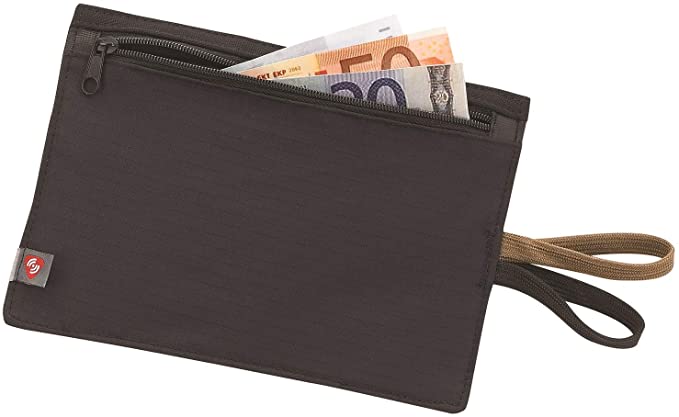
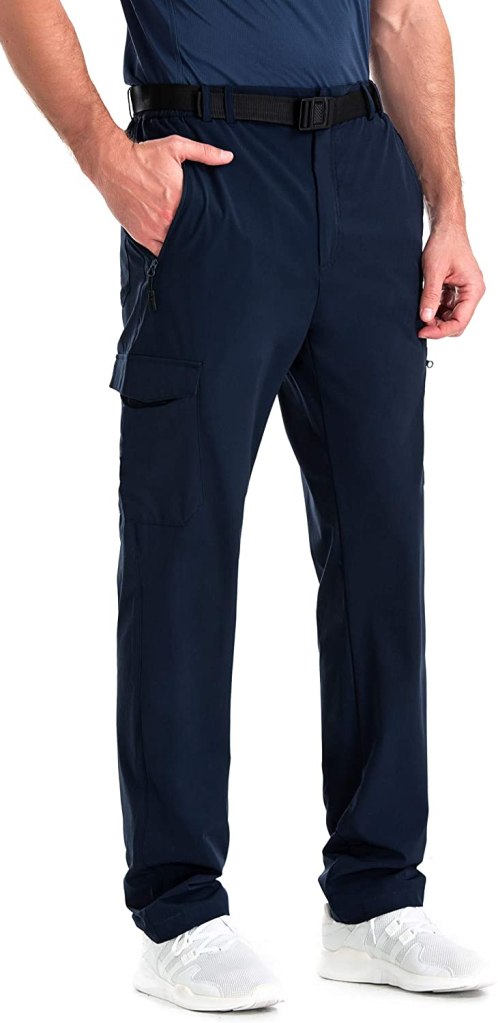
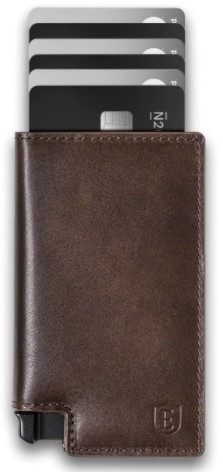
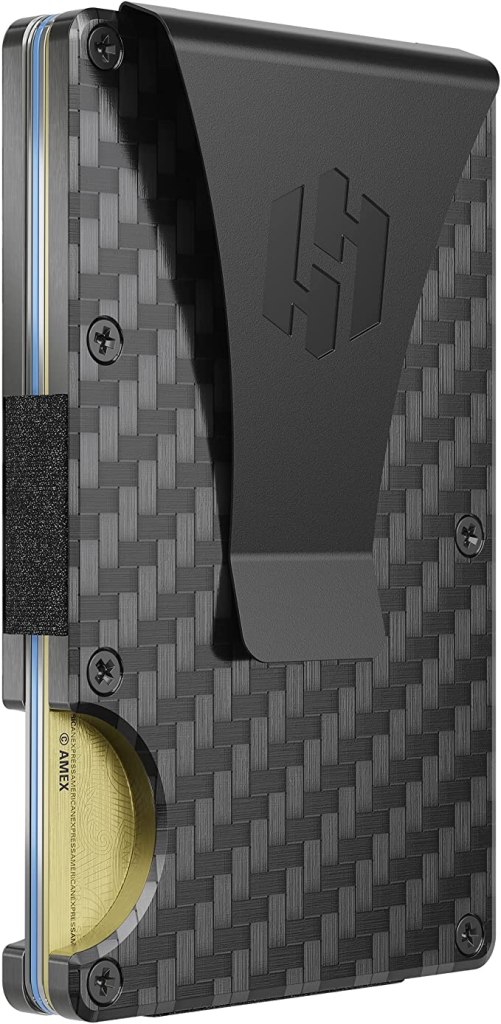
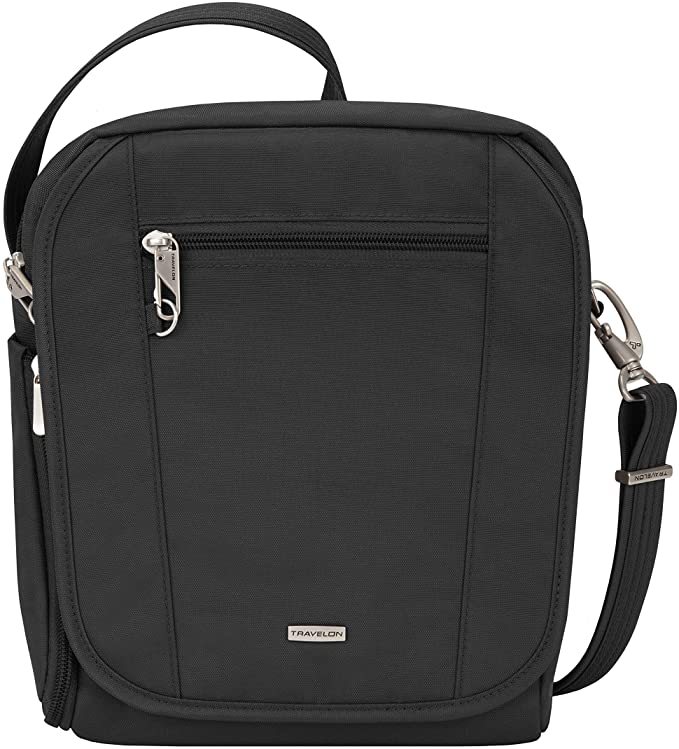
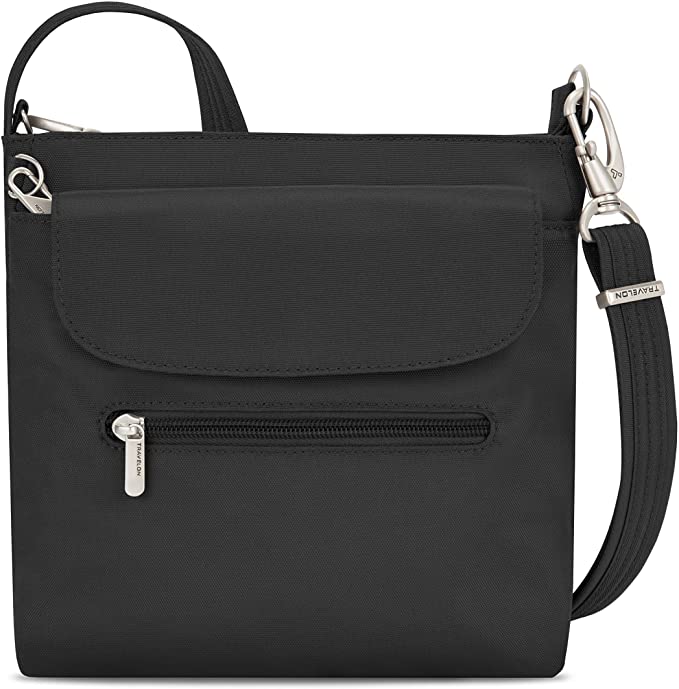
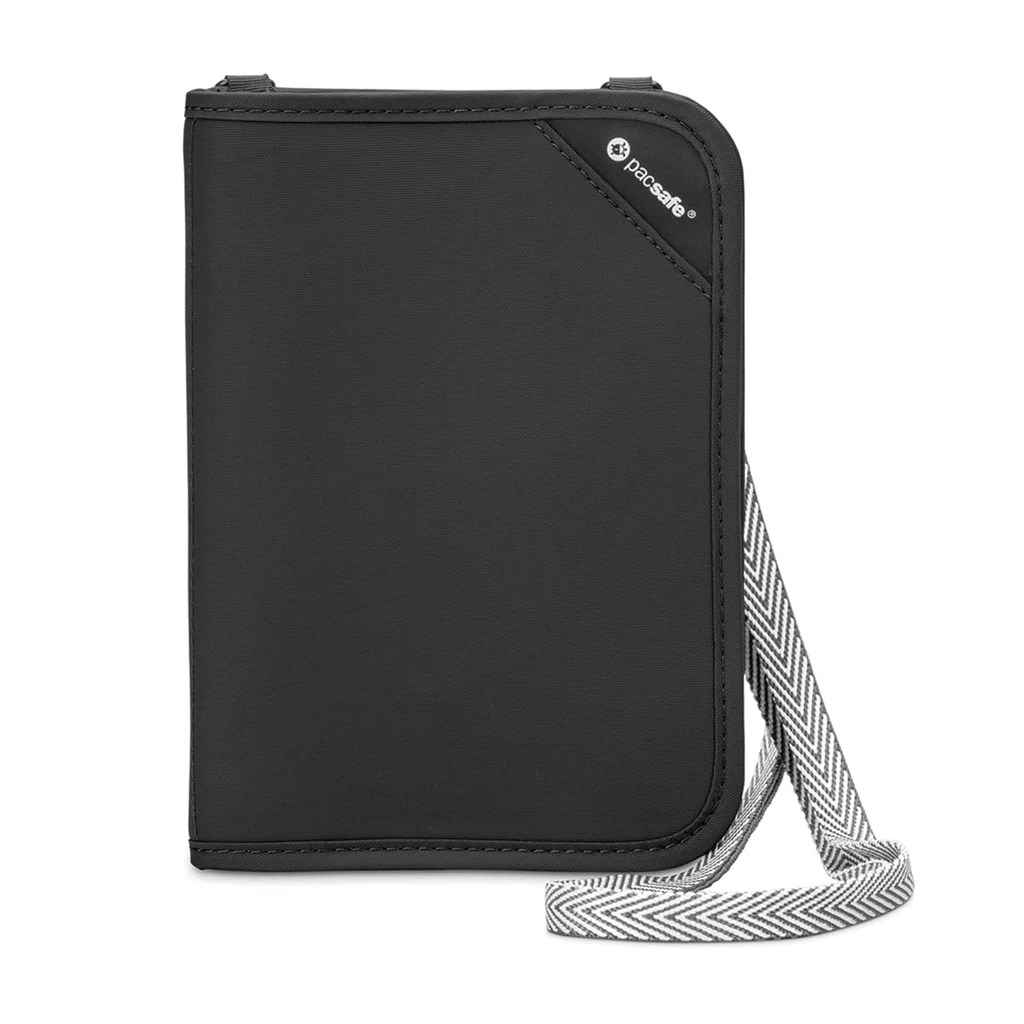
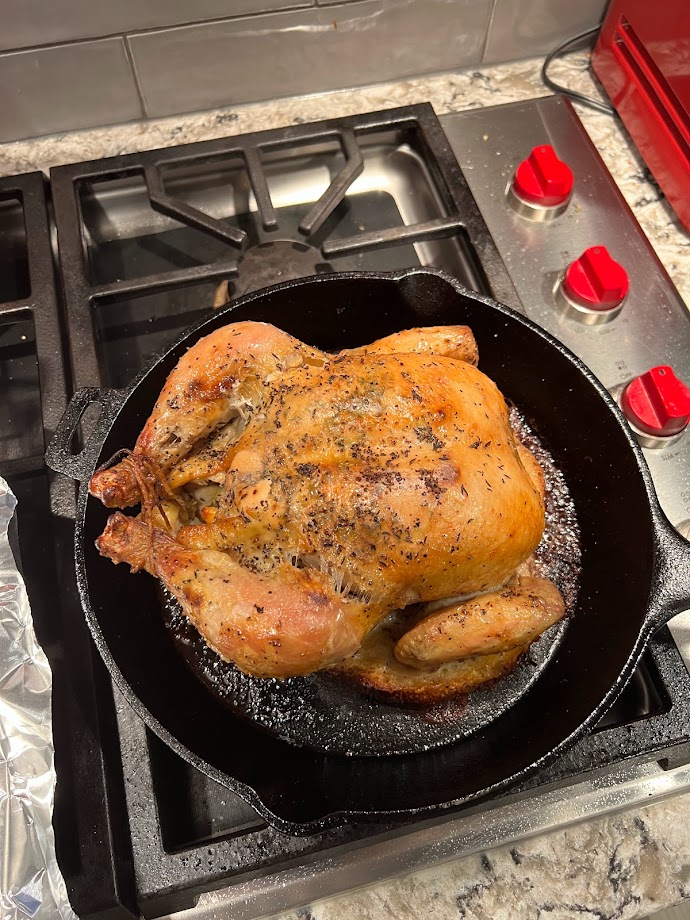
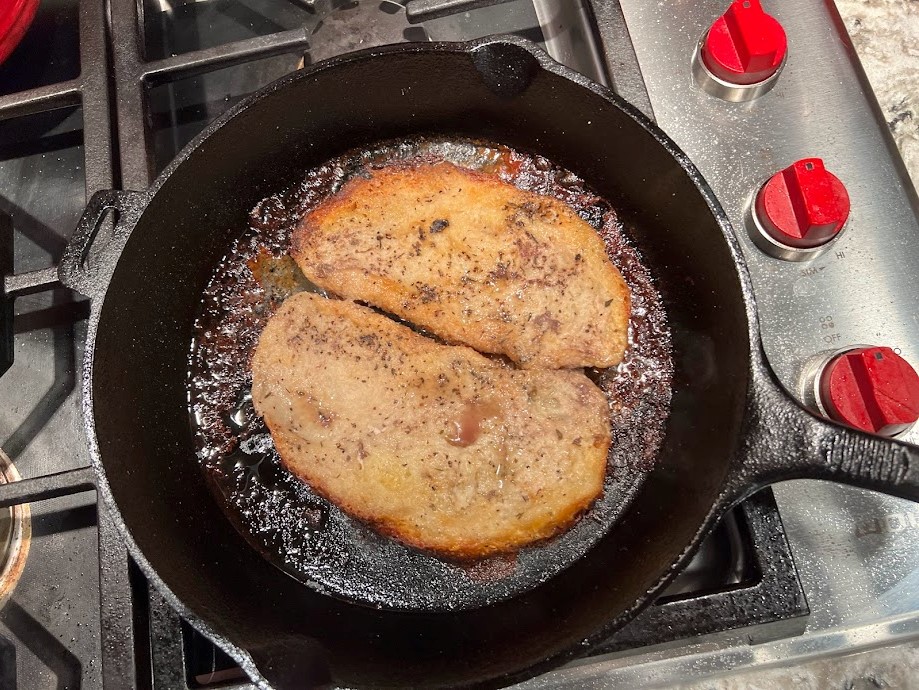
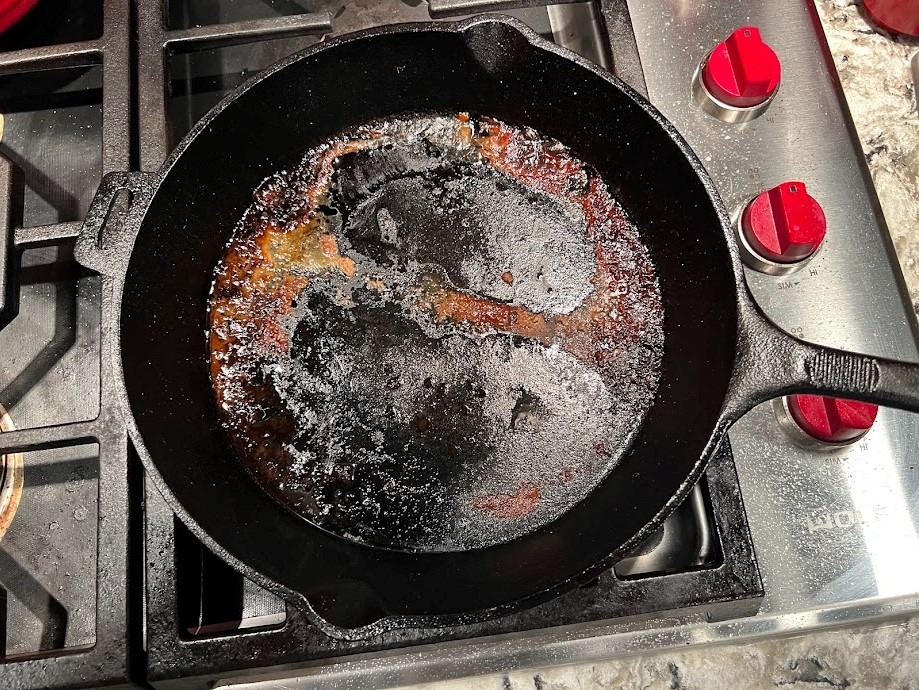

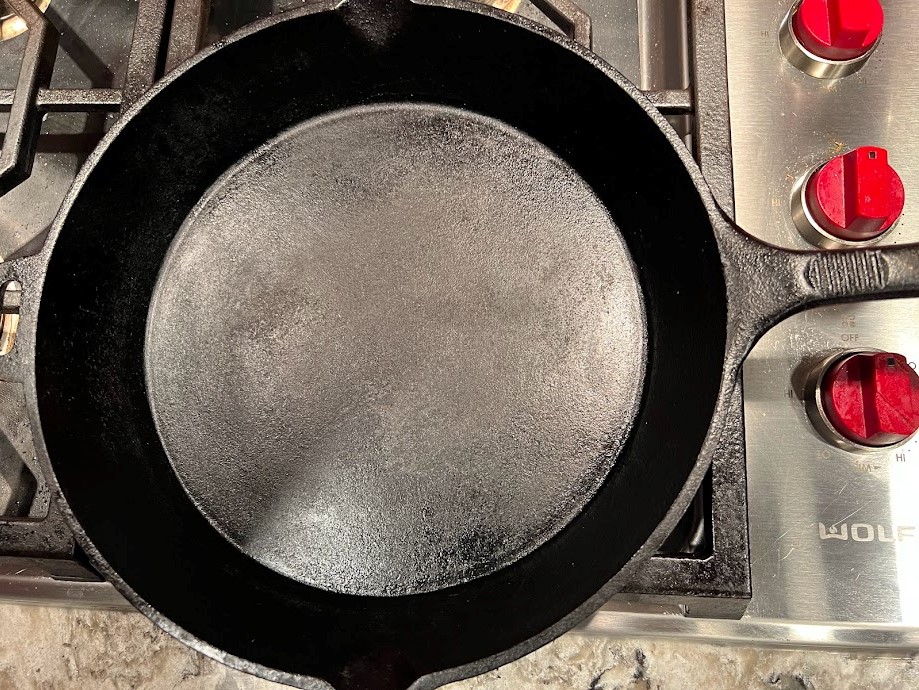
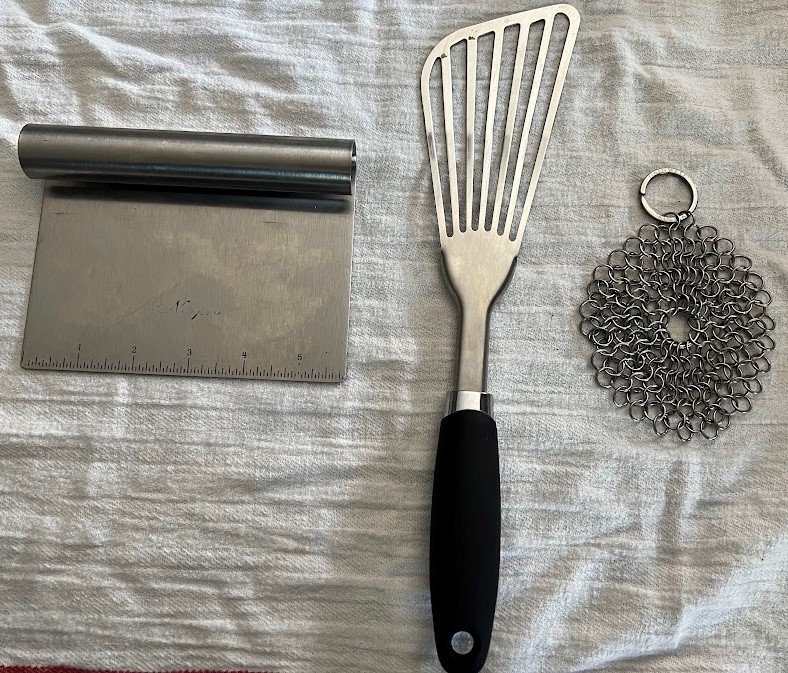
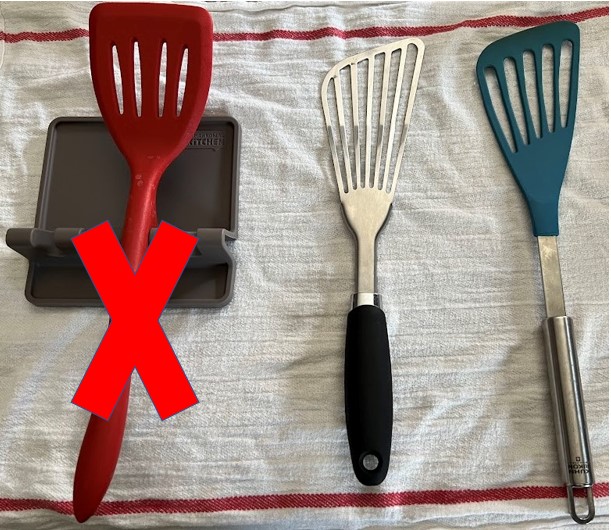
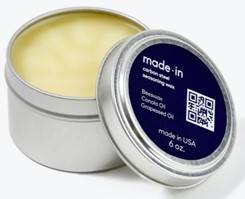
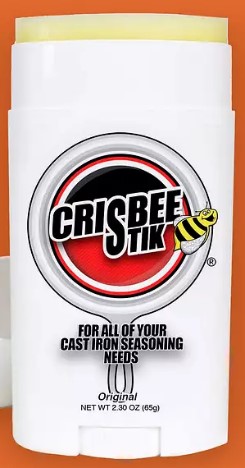
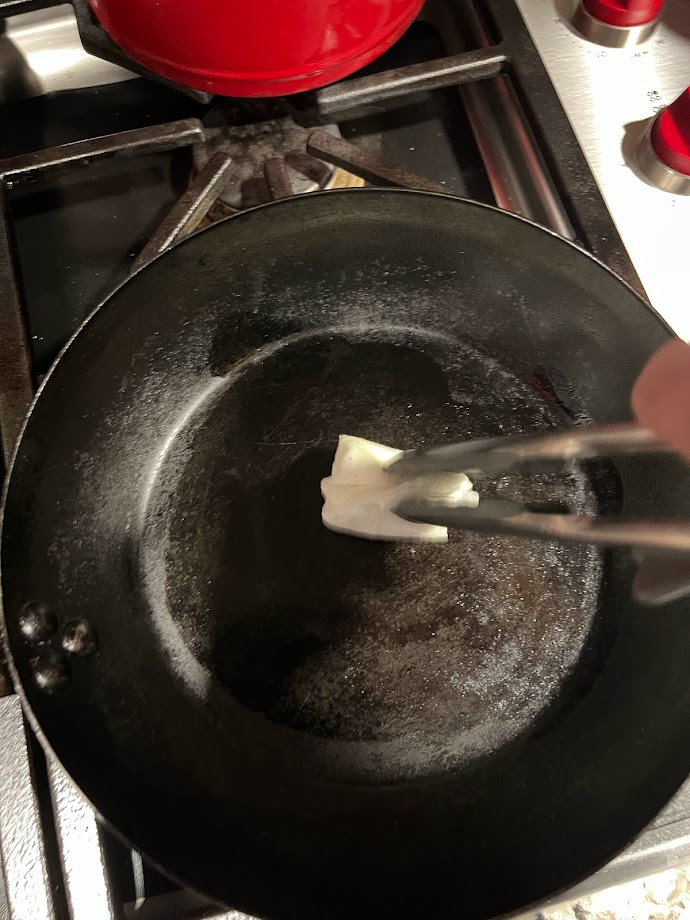
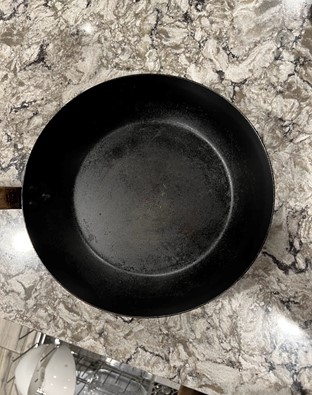

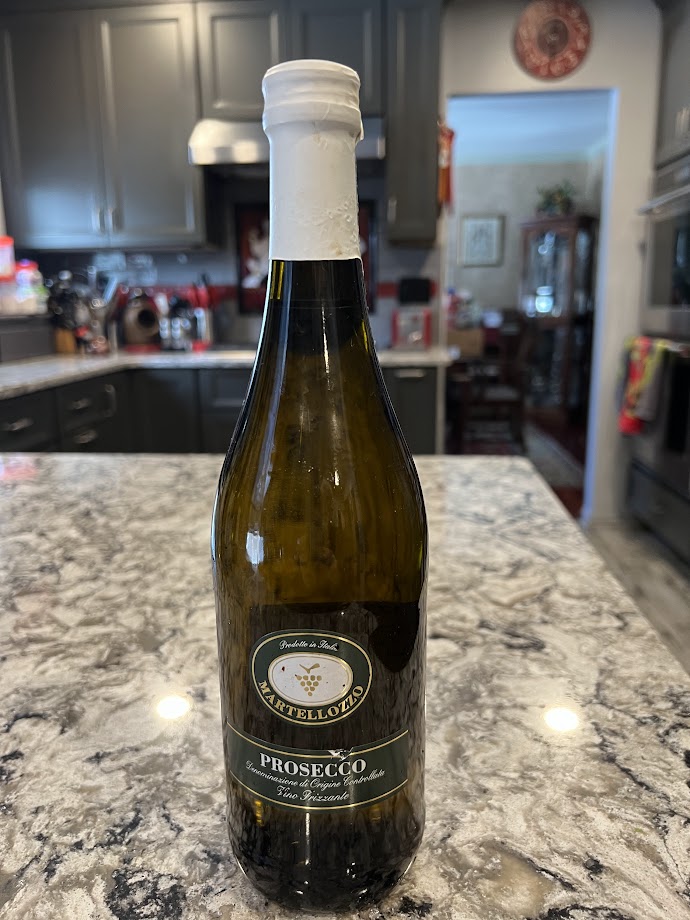
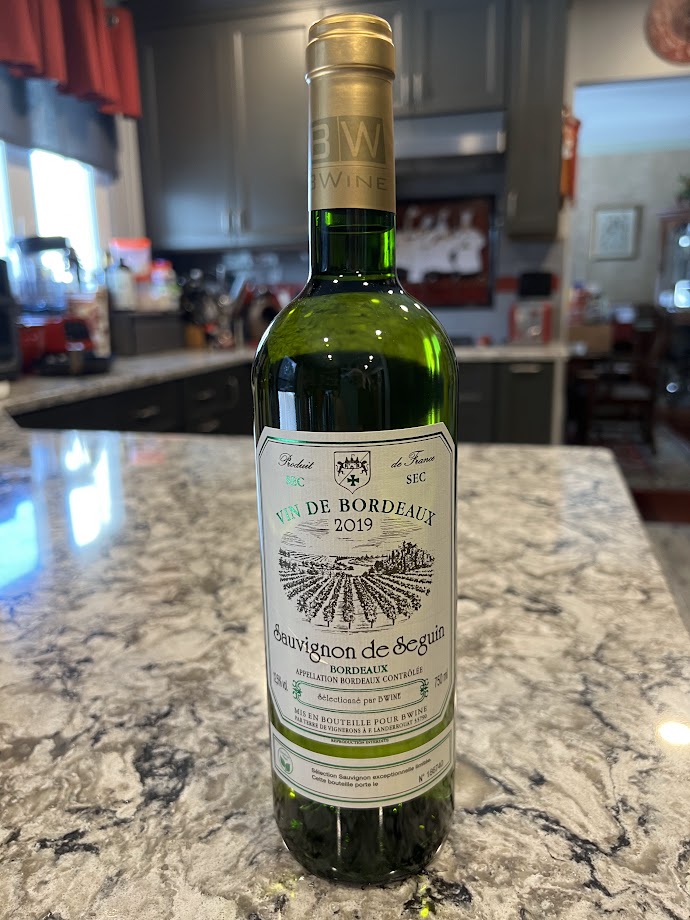
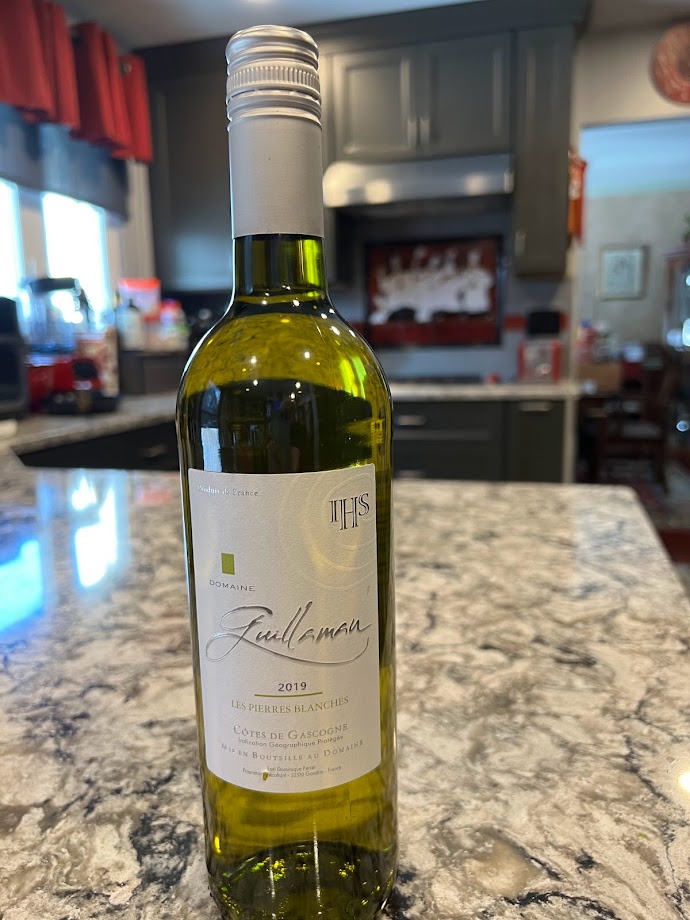
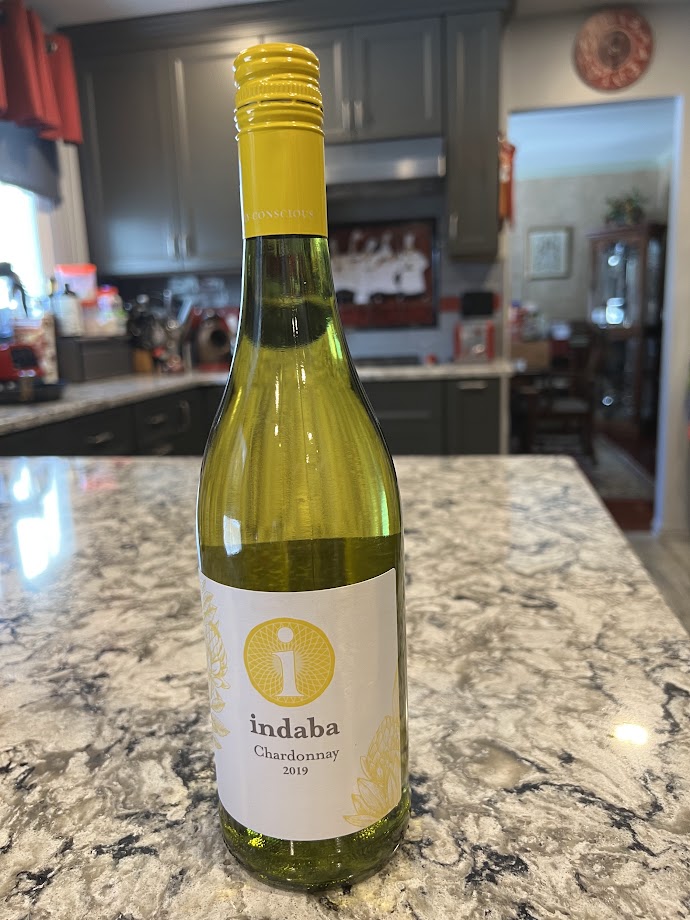
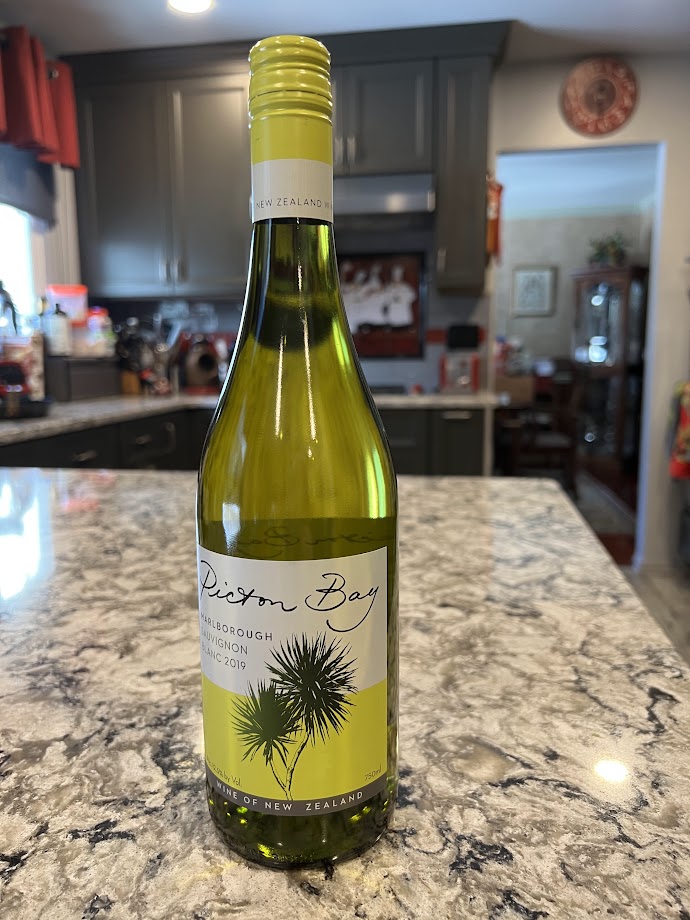

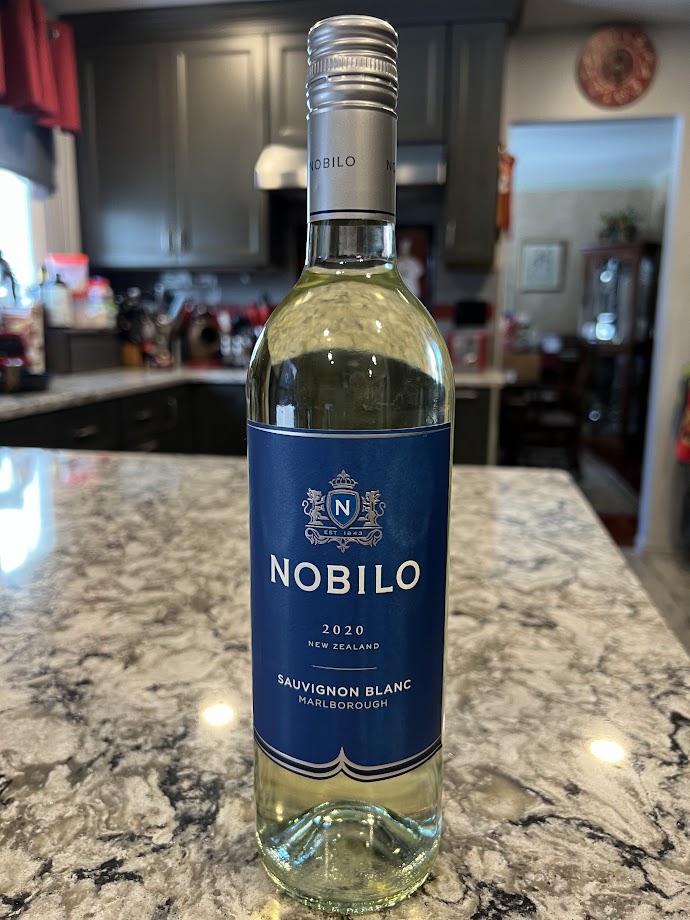
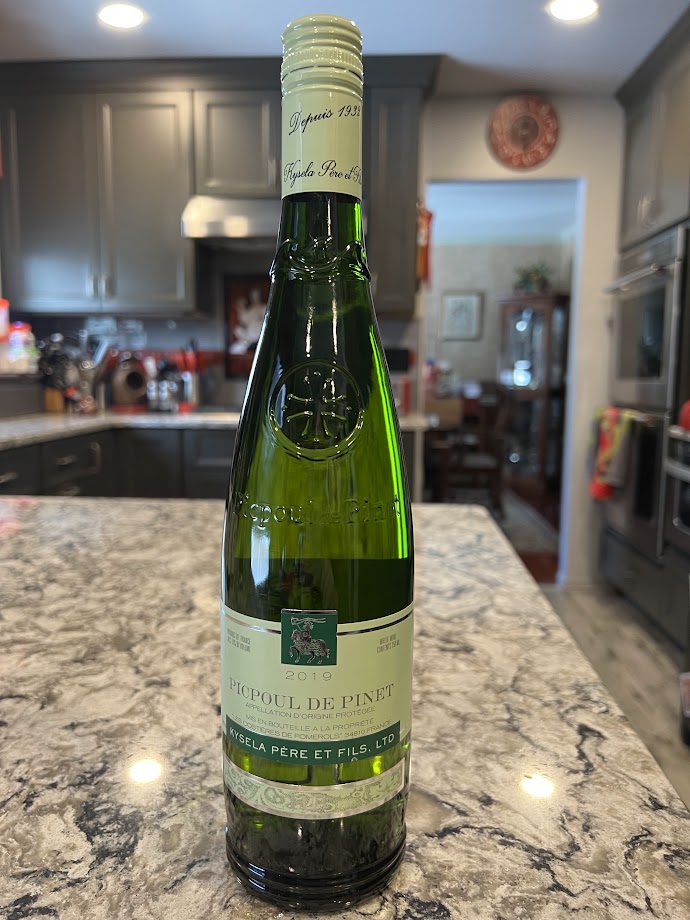
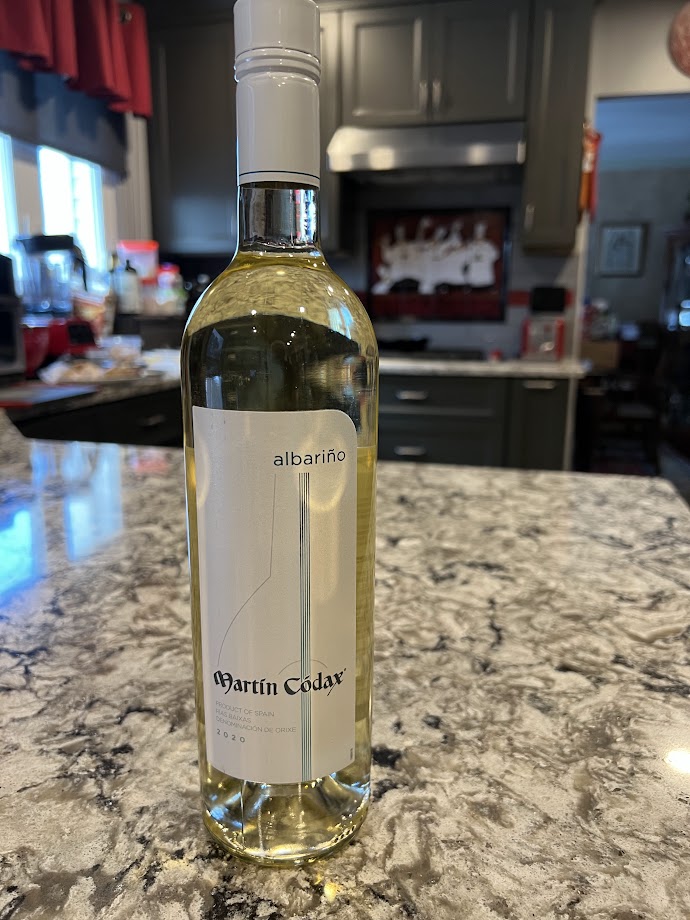
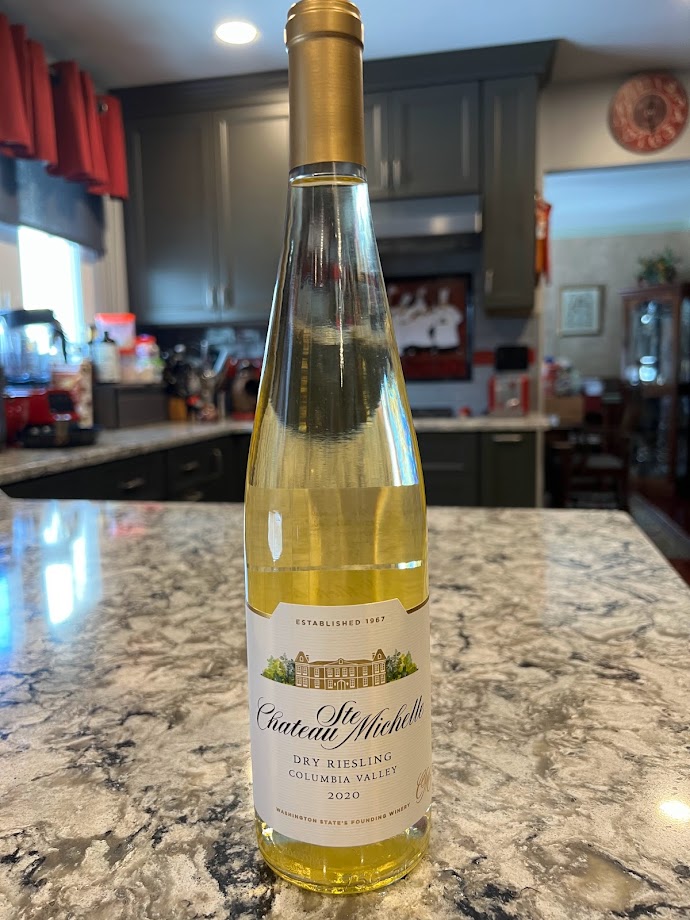
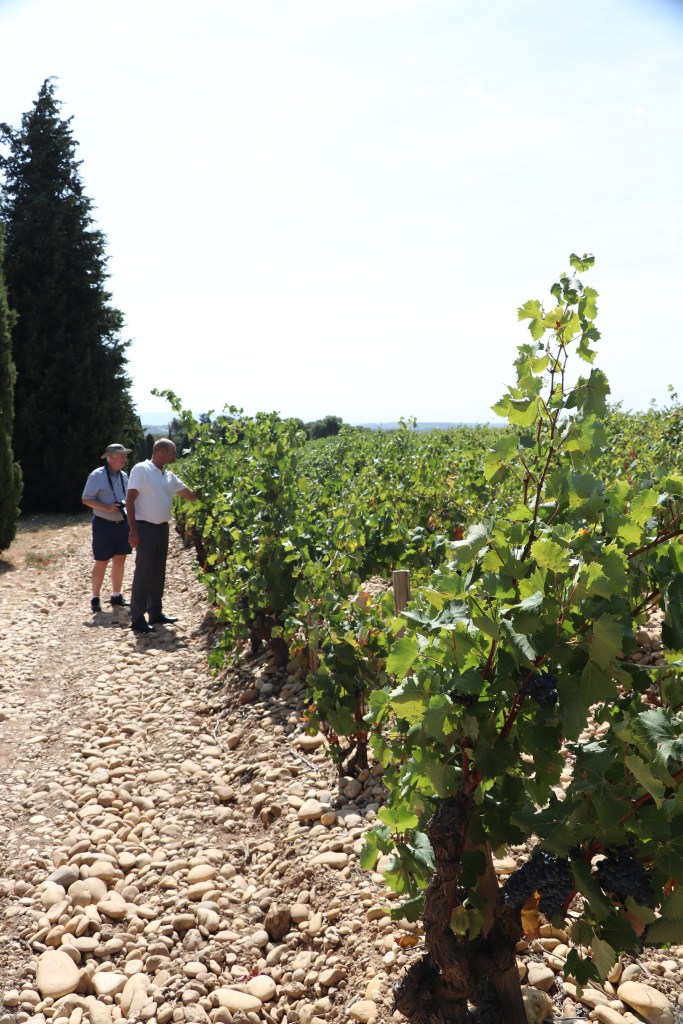
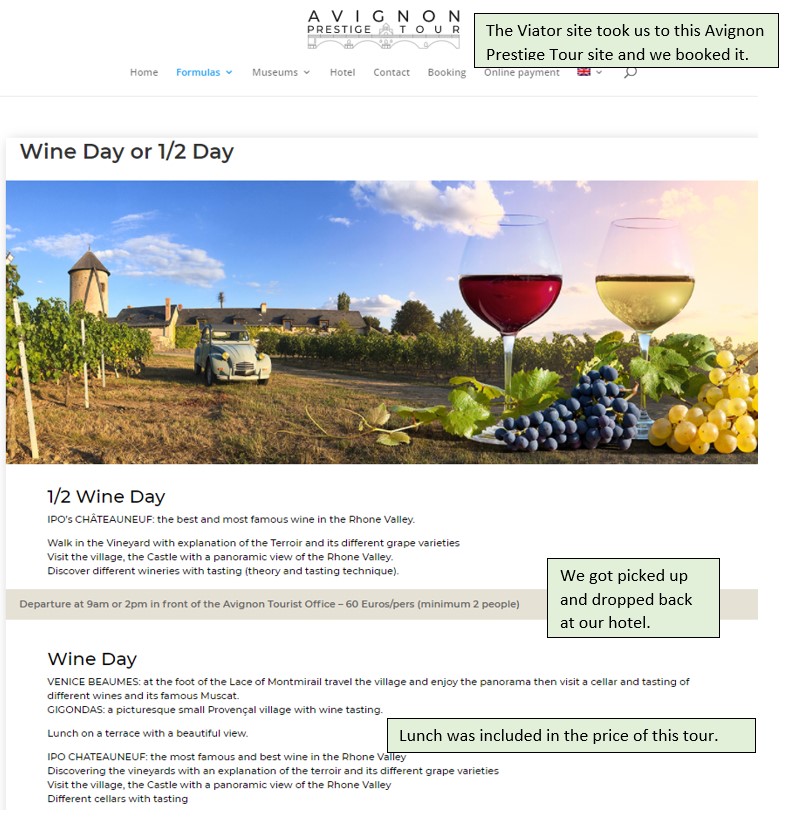

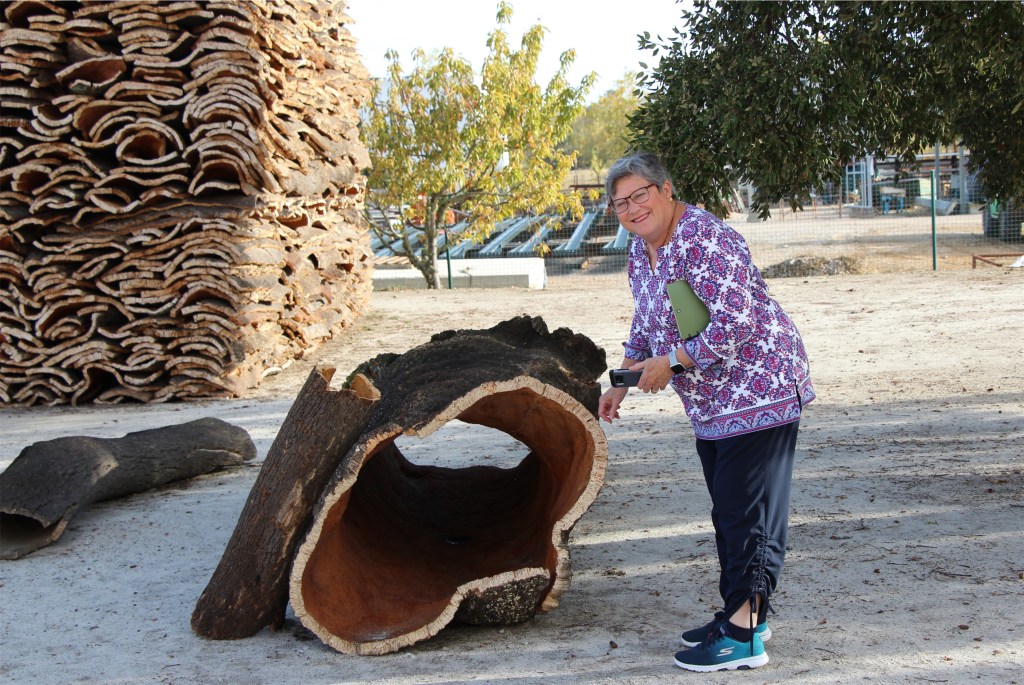
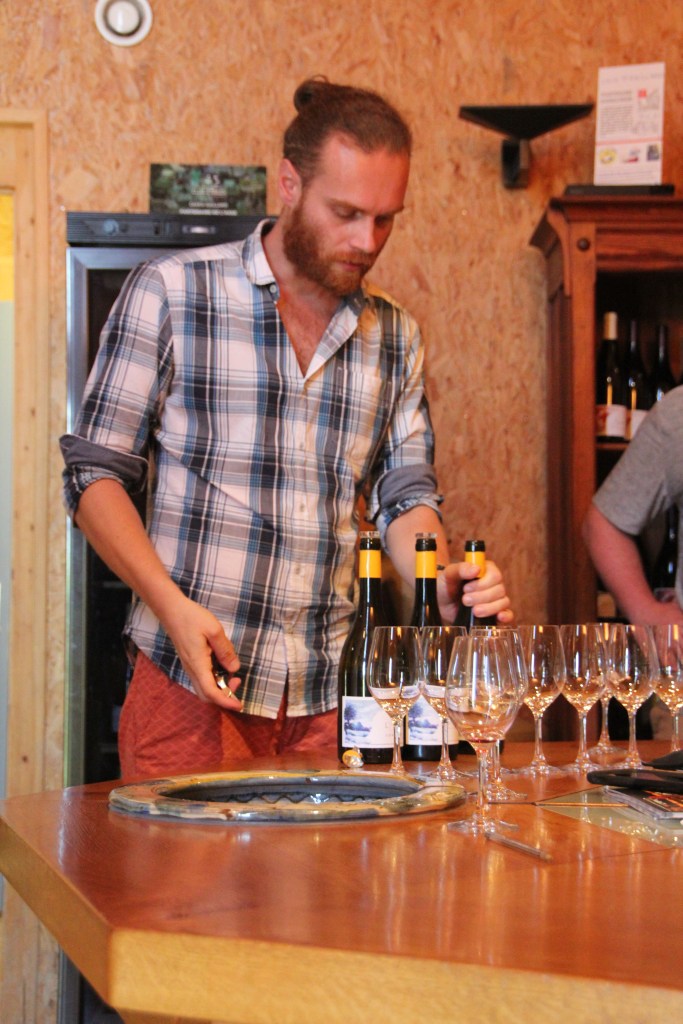
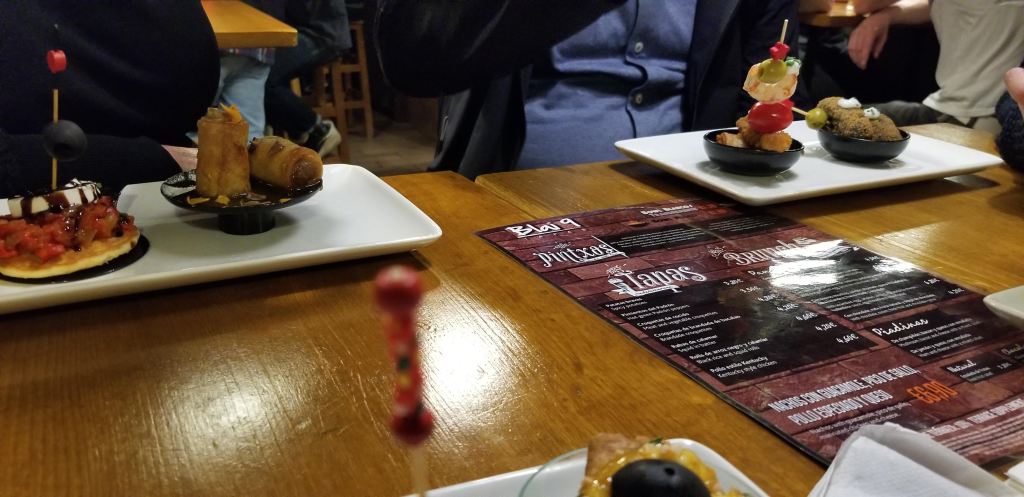
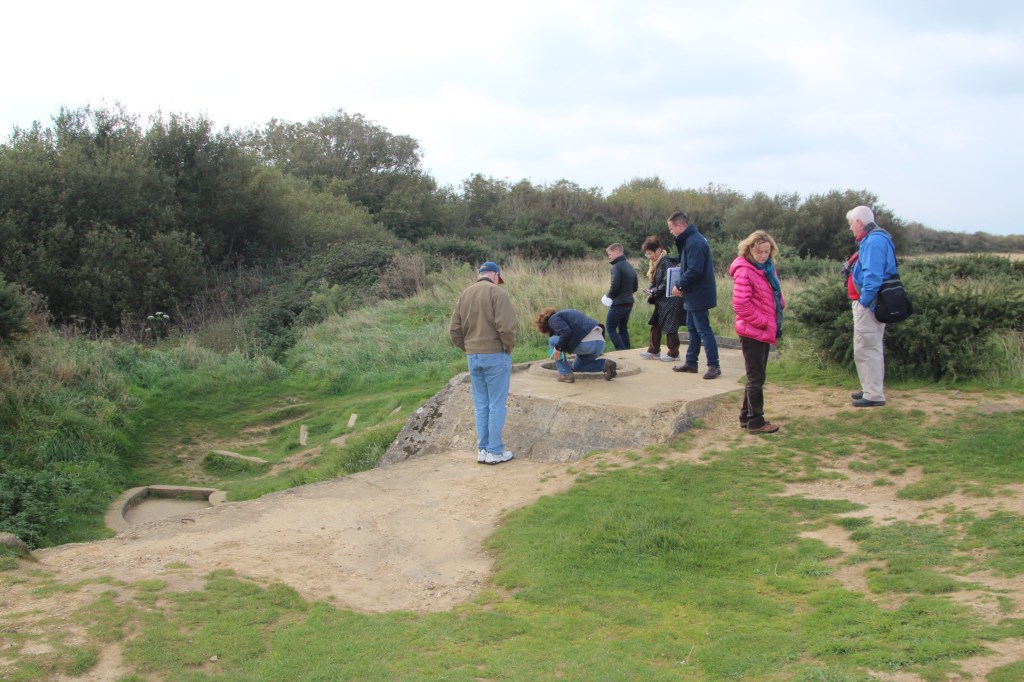
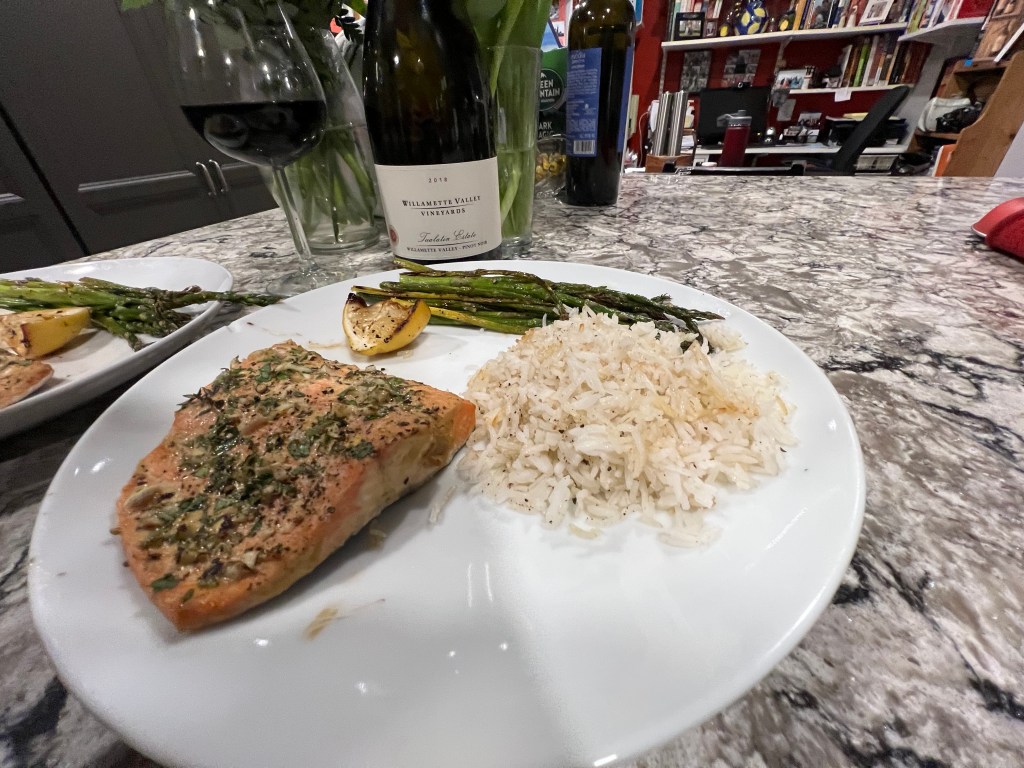
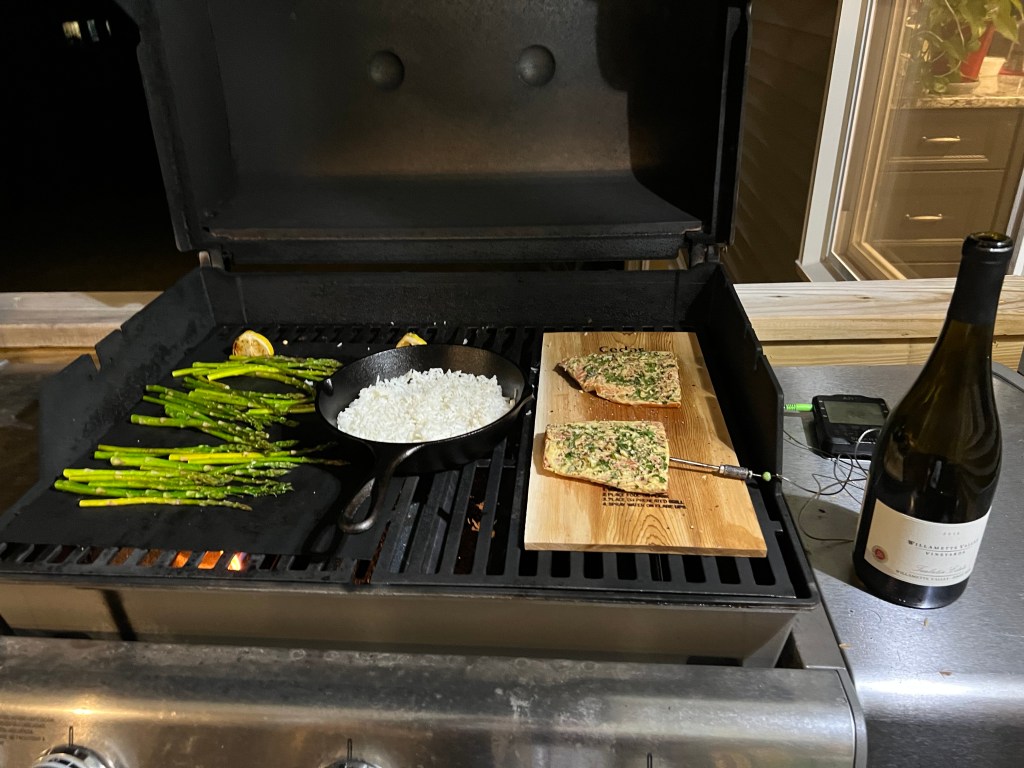
 Bill's Thoughts on Wine, Travel, and Food
You must be logged in to post a comment.